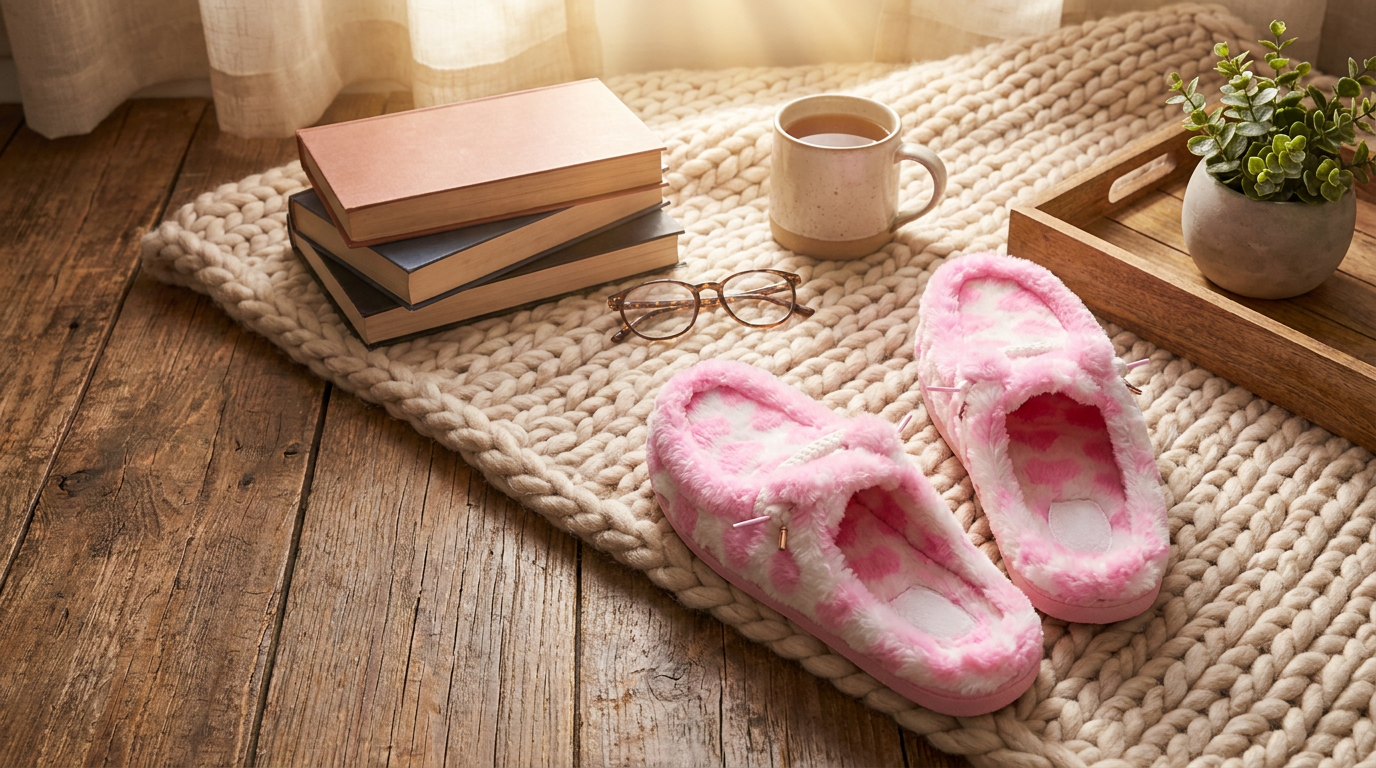
Optimizing Indoor Comfort with Wendy House Slippers
 Jordan HaleStaff Writer
June 26, 2026. This analysis explores the functional benefits of high-density EVA foam in domestic environments. It is written for homeowners seeking to mitigate the physical strain of walking on modern hard-surface flooring.
I remember the specific resonance of my heels hitting the hardwood every morning before the sun was fully up. It was a sharp, clinical sound that signaled the start of a long day on my feet. The first thing I noticed was how that repetitive impact seemed to travel straight up to my lower back. Many of us overlook the cumulative stress that indoor surfaces place on our bodies. According to Cloud Slides Official, modern indoor-outdoor slippers are designed to provide a cushioned barrier that transitions seamlessly from lounging to light activity. Without that barrier, the foot is forced to absorb every ounce of pressure against unyielding tile or laminate. This constant compression can lead to fatigue that lingers long after you've sat down for the evening. When we talk about cloud slippers for indoors, we are really talking about a necessary intervention for the modern home. The shift toward open-concept living with stone or wood floors has created a silent epidemic of foot strain that thin, traditional socks simply cannot address. It turns out that the 'cloud' terminology isn't just marketing; it refers to the specific rebound quality of the sole that mimics a softer, more natural walking surface.
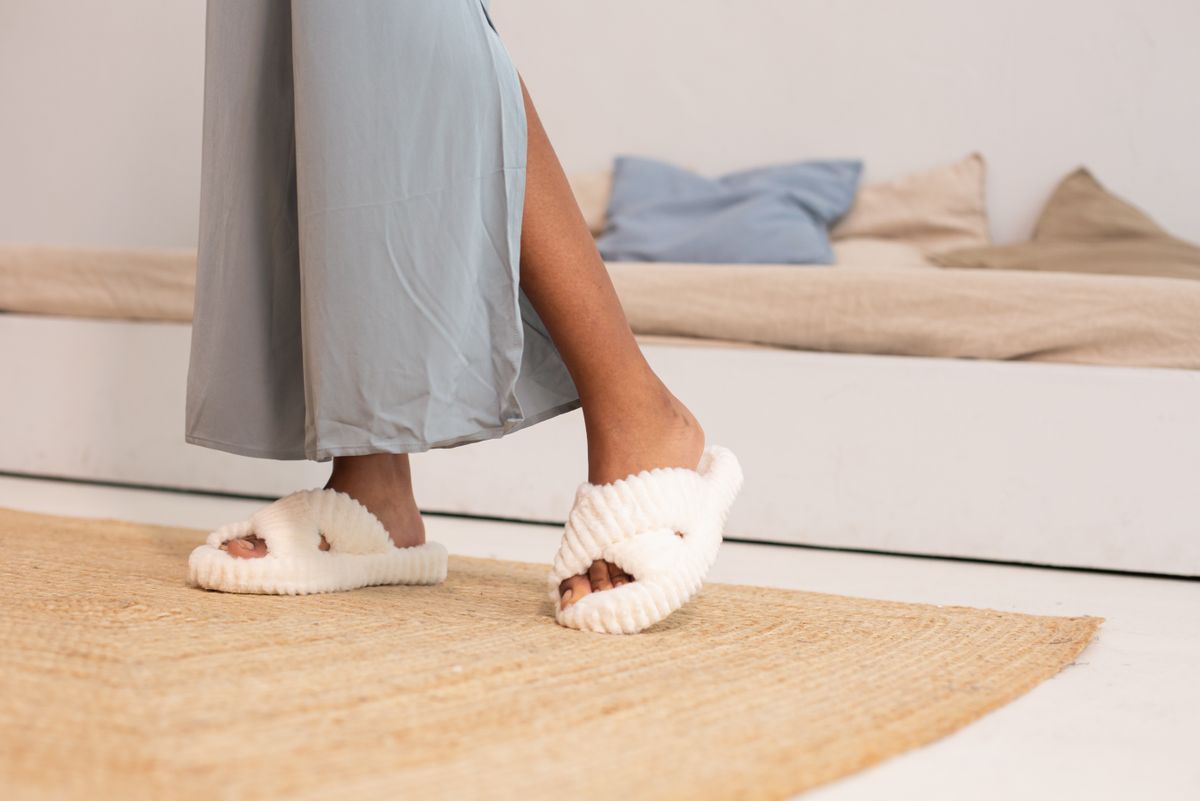
Photo by KATRIN BOLOVTSOVA on Pexels
Wendy House Slippers are engineered to address this specific environmental challenge through the use of high-density ethylene-vinyl acetate (EVA). This material is chosen for its closed-cell structure, which provides significant shock absorption without the rapid compression found in cheap foam alternatives. When you step into a pair, the sensation is one of immediate suspension as the 4cm thick sole creates a physical buffer between the heel and the ground. This thickness is critical for maintaining alignment while navigating the various textures of a home. In the context of cloud slippers for indoors, the design focuses on a wide toe box and a contoured footbed. This allows the foot to splay naturally, reducing the risk of pinched nerves or cramped arches during extended periods of standing, such as while preparing meals or working at a standing desk. The integration of a non-slip traction pattern on the outsole ensures that the increased height of the platform does not compromise stability on slick kitchen tiles or polished wood. By prioritizing a lightweight build, the slippers prevent the leg fatigue often associated with heavier clogs or rubber-soled shoes. This balance of weight and density is what allows the footwear to remain comfortable from the first cup of coffee until the lights go out.
Selecting the right indoor footwear requires a framework that prioritizes long-term durability over temporary softness. While many products feel plush initially, they often lose their structural integrity within weeks. It is essential to look for slippers that offer a molded ergonomic shape rather than a flat, featureless interior. As noted by Project Cloud Shoes, features like arch support and machine-washable materials are hallmarks of a premium indoor slipper. When evaluating your options, consider the following technical requirements:
- Compression Resistance: Ensure the foam is dense enough to support your weight without bottoming out.
- Traction Rating: The outsole must feature a multi-directional grip pattern to prevent slips on wet or polished surfaces.
- Thermal Regulation: Look for breathable materials that prevent overheating during the transition between seasons.
- Maintenance: Verify that the material is waterproof or easy to clean to maintain hygiene in high-traffic areas.
- Anatomical Fit: The footbed should feature a slight cupping at the heel to prevent the foot from sliding laterally.
Shop Wendy House Slippers here.