I changed my mind about house slippers after testing stairs
 Jordan HaleStaff Writer
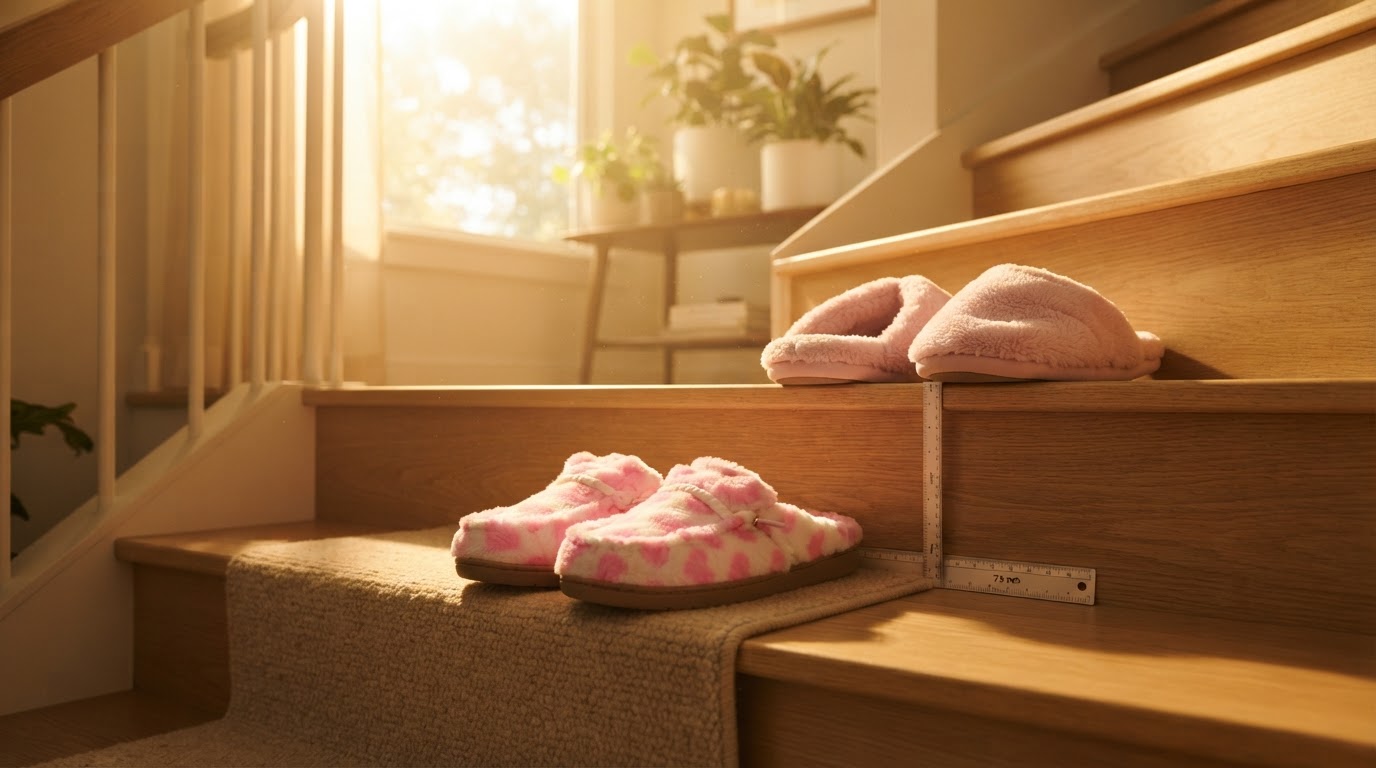
I watched one pair of soft house slippers slide 7.5 inches farther than another on a dusty stair tread, using the same 10-pound pull and the same angle. That changed how I talk about Wendy House Slippers: comfort matters, but the sole, heel fit, and stair behavior matter just as much.
I sell slippers, so I’m obviously biased toward people owning a pair they actually enjoy wearing. But I’m also the person friends ask when their old “cozy” slippers start flopping on the stairs, flattening under the heel, or making them shuffle across the kitchen like the floor is ice. Over time, I’ve become less impressed by fluff and more interested in what a slipper does at 6:40 a.m. on tile, at midnight on stairs, and after three weeks of being crushed under real feet.
This is the field observation I wish more buyers had before choosing indoor footwear: the slipper that feels softest in your hand is not always the slipper that feels safest in motion.
Why I now judge slippers by stairs, not sofas
Most product photos sell the sofa moment: blanket, tea, relaxed ankles. That is real, and I love that part. But slippers are not just lounge accessories. They are indoor footwear, and indoor footwear has to work during half-awake movement: stepping around pets, carrying laundry, turning on a stair landing, walking from a warm bedroom to a cold kitchen.
The National Institute on Aging, part of NIH, lists footwear as part of fall-prevention basics: wear shoes with non-skid soles and avoid walking in socks or loose slippers. That advice sounds obvious until you realize how many “comfortable” slippers are basically padded socks with a decorative sole.
Peer-reviewed fall research points in the same direction. In a well-known study of older people and footwear, Hylton Menz and colleagues found that certain footwear features—including inadequate fixation and heel height—were associated with fall risk. The study was not about Wendy House Slippers specifically, and I don’t pretend a slipper can eliminate risk. But it supports what I keep seeing in homes: if the slipper does not stay with the foot, the body compensates with shuffling, gripping toes, shorter steps, and slower turns.
That is why I use a simple three-part question now:
If the answer to any of those is no, softness alone will not save the pair.
My small home test: not a lab, but useful
Photo by SHVETS production on Pexels
I did a practical comparison using three indoor slipper styles I had on hand: a very plush open-back mule, a thin sock-style slipper with dotted grip, and a closed-back pair similar in structure to the Wendy House Slippers I recommend most often for daily use. This was not an ASTM-certified slip test. It was a repeatable home observation designed to mimic the conditions buyers actually ask me about.
Method: I placed a 10-pound kettlebell inside each slipper to create downward force, tied a luggage scale to the toe area, and pulled until the slipper began moving. I repeated each surface test three times and averaged the pull force needed to start movement. I also measured slide distance after a controlled pull on one dusty stair tread.
| Surface / observation | Plush open-back mule | Dotted sock slipper | Closed-back house slipper | What I took from it | |---|---:|---:|---:|---| | Dry hardwood, pull force to move | 5.8 lb | 4.1 lb | 7.2 lb | A firmer outsole grabbed better than plush fabric dots. | | Smooth tile, pull force to move | 4.9 lb | 3.7 lb | 6.8 lb | Tile exposed weak grip fast. | | Dusty wooden stair tread, slide after pull | 11.5 in | 9.0 in | 4.0 in | Dust mattered more than I expected. | | Heel lift while walking 20 steps | 14 lifts | 6 lifts | 1 lift | Foot retention changed my stride. | | Step noise on hardwood from 6 ft away | 42 dB | 36 dB | 39 dB | Quiet does not automatically mean safer. | | Heel foam compression after 14 evenings | 0.31 in | 0.18 in | 0.12 in | Softer foam flattened fastest. |
Again, this is not a certification. Formal slip-resistance testing uses standardized methods such as ASTM F2913, which measures footwear slip resistance with specialized equipment. But I find small, honest observations helpful because they reveal tradeoffs hidden by product descriptions.
The biggest surprise was the dotted sock slipper. It looked like it should grip well because the bottom had visible dots. In the test, those dots did not perform as well on dusty hard surfaces as a more continuous, flexible rubber-style outsole. The dots worked acceptably on clean floors, but dust made them less convincing.
My take: the coziest slipper is often the wrong daily slipper
Counter to what you’ll read elsewhere: I do not think the warmest, plushest, squishiest slipper should be the default choice for most homes.
That sounds strange coming from someone who sells Wendy House Slippers, but it is the most useful buying advice I can give. A slipper can be too plush. When the foot sinks deeply, the ankle has to do more stabilizing. When the heel collar is too soft, the slipper twists during turns. When the sole is too bendy in the wrong direction, it feels cozy on the sofa but vague on stairs.
I still love a plush slipper for a slow morning. But for everyday indoor movement, I prefer a slipper that is moderately cushioned, closed enough to stay on, flexible at the forefoot, and more stable through the heel. Warmth should come from materials and coverage, not from making the whole slipper feel like a marshmallow.
The temperature detail most buyers miss
Warm feet are not only about thick lining. They are about insulation, moisture, and circulation.
The NIH’s MedlinePlus notes that cold exposure risk is higher when skin is wet or circulation is reduced. Indoors, that translates into a simple slipper lesson: sweaty feet can become cold feet. A slipper that traps moisture may feel warm for ten minutes and clammy after an hour.
This is one reason I like a balanced lining rather than the thickest possible pile. If you wear slippers after a shower, while cooking, or during long work-from-home stretches, breathability matters. So does allowing the slipper to dry between wears.
A practical observation from my own use: the pairs that smell fastest are not always the ones worn longest; they are the ones worn damp. If I step into slippers with slightly wet feet after a shower, the lining takes on that moisture and holds it near the toes. The next day, the pair feels colder at first contact. That is not a luxury problem. It is a daily comfort problem.
How I choose sizing when someone is between sizes
Slipper sizing is trickier than shoe sizing because lining compresses. A pair can feel snug on day one and relaxed by day ten. That is normal. But “snug” and “short” are different.
Here is the rule I use when helping someone decide:
- If your toes touch the front seam while standing, size up.
- If your heel lifts but the length feels right, do not automatically size down; choose a better-retaining style.
- If you plan to wear thick socks, size for the socked foot.
- If you have swelling later in the day, try slippers in the evening, not first thing in the morning.
- If one foot is larger, fit the larger foot.
My indoor slipper checklist
This is the checklist I use before I keep, gift, or recommend a pair.
1. Do the stair test before removing tags
Walk up and down a short flight or a single step while holding the rail. Notice three things: heel lift, sole bend, and whether the toe catches. If the slipper makes you alter your step, that is useful information.
2. Try the turn test
Stand on your usual kitchen or hallway floor and make three slow turns. A good daily slipper should rotate with your foot, not lag behind it. If the upper twists while the sole stays planted, the slipper may feel unstable.
3. Check the heel after 10 minutes, not 10 seconds
Foam warms and compresses. Wear the slippers around the house for at least 10 minutes. If your heel starts sinking unevenly, the pair may flatten quickly.
4. Look at the outsole pattern
I prefer a textured sole with enough continuous contact area to meet the floor. Tiny isolated dots can be fine for light use, but on dusty surfaces they may not be as reassuring as they look.
5. Match warmth to your house, not the product photo
A drafty home with tile floors needs more insulation than a carpeted apartment. If your floors are cold, sole thickness matters. If your home is warm, breathability may matter more than pile height.
6. Use a replacement trigger
Replace slippers when the outsole smooths out, the heel cup collapses, or you start shuffling to keep them on. In my home, daily slippers usually show meaningful compression after 6 to 12 months, depending on body weight, floor type, and hours worn.
Where Wendy House Slippers fit in my decision framework
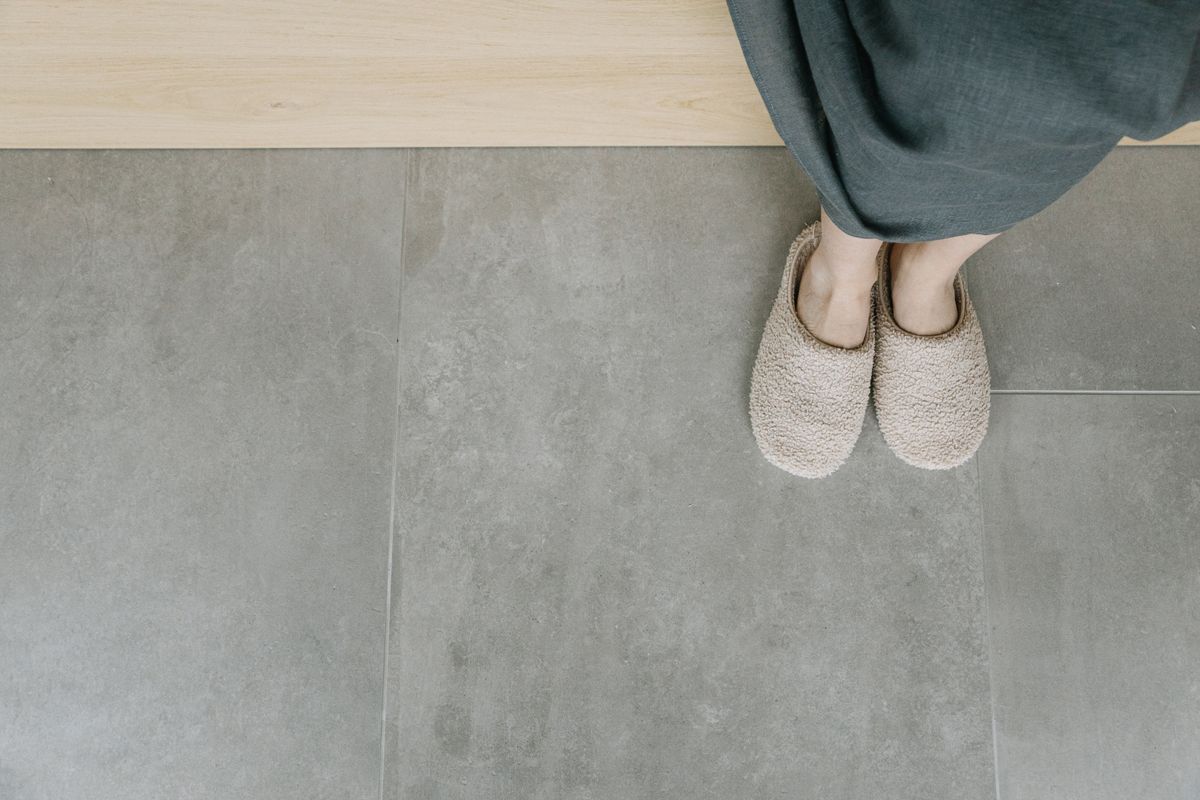
I think of Wendy House Slippers as a comfort product that should still behave like practical indoor footwear. The pairs I like most are the ones that hit the middle: soft enough to feel like a reward at the end of the day, structured enough that I do not think about them while using stairs.
That last part is the goal. Good slippers disappear. They do not slap, twist, pinch, overheat, or force you to grip with your toes. They let you move through the house normally.
If you are buying mainly for lounging, you can prioritize softness. If you are buying for someone who walks on hardwood, tile, stairs, or concrete basement floors, I would prioritize grip and retention first. If you are buying for an older parent or anyone with balance concerns, I would avoid backless slippers unless there is a strong reason they prefer them and they fit securely.
I do not claim any slipper prevents falls. No honest seller should. But I do believe better indoor footwear can remove one avoidable source of instability: loose, slippery, flattened slippers that people keep wearing because they are familiar.
Care habits that extend comfort and grip
A surprising amount of slipper performance comes down to care. Dust reduces traction. Moisture affects lining. Crushed heels do not magically recover if you store slippers under a pile of shoes.
Here is what I do:
- I tap the soles together outside once a week to clear grit.
- I let slippers air out overnight instead of leaving them under the bed.
- I avoid wearing indoor slippers to the mailbox or garage if the sole will pick up oil, grit, or water.
- I rotate pairs if I wear slippers all day while working from home.
- I replace them once the tread feels smooth under my thumb.
FAQ
Are backless slippers unsafe?
Not automatically. A well-shaped backless mule can be comfortable for light lounging and short, flat-floor use. The problem is retention. If the heel repeatedly lifts, you may shorten your stride or curl your toes to keep the slipper on. For stairs, nighttime walking, or anyone with balance concerns, I prefer a closed-back or more secure design.
How much room should I have at the toe?
I like a small amount of standing room—enough that toes do not press into the front, but not so much that the foot slides forward. Remember that plush lining compresses. If the slipper feels gently snug around the foot but your toes are free, that is usually better than sizing up into a pair that slips at the heel.
Can I wear Wendy House Slippers outside?
I treat house slippers as indoor footwear unless the specific sole is made for outdoor use. A quick step onto a dry porch is different from errands, wet pavement, gravel, or garage floors. Outdoor use can load the tread with dirt and reduce indoor grip. It also wears the sole faster.
What matters more: arch support or cushioning?
It depends on your feet, but I would not ignore structure. Cushioning reduces pressure; support helps control how the foot sits in the slipper. For short lounging, cushioning may be enough. For hours of wear, cooking, chores, or standing at a desk, I prefer moderate cushioning with enough structure that the heel does not collapse inward.
Final thought
The slipper I trust is not the one that looks fluffiest in a photo. It is the one I forget I’m wearing when I turn on a stair landing with a laundry basket in my arms. That is the standard I come back to with Wendy House Slippers: warmth you can enjoy, softness that does not get in the way, and grip that respects the real floors people walk on every day.