Wendy House Slippers for Sustained Indoor Support
 Priya RamanSenior Analyst
July 27, 2026. This analysis evaluates the structural integrity and comfort profiles of Wendy House Slippers for long-term domestic wear. It serves as a guide for consumers prioritizing orthopedic support and thermal regulation within the home environment.
To understand the necessity of specialized indoor footwear, one must view the home environment through a specific framework. Two axes matter here: the mechanical support required for hard flooring and the thermal regulation needed for sedentary comfort. According to Orthofeet, women's slippers should ideally provide a blend of arch support, cushioning, and all-day relief to mitigate the strain caused by walking on unforgiving surfaces. Without this structural intervention, the repetitive impact on the plantar fascia can lead to significant discomfort over time. Most standard footwear fails to address this, focusing either on aesthetics or basic warmth while ignoring the bio-mechanical needs of the foot. When consumers search for arch support slippers for home, they are often reacting to the fatigue caused by flat, unsupportive soles that offer no resistance to the downward pressure of the body's weight. Once you see it this way, the distinction between a decorative accessory and a functional tool for wellness becomes clear. The transition from outdoor shoes to indoor slippers should not involve a compromise in stability, particularly as modern residential architecture increasingly favors tile and hardwood over wall-to-wall carpeting. This shift has elevated the requirement for specialized footwear that can mimic the corrective properties of high-quality orthotics while maintaining the softness expected of a bedroom slipper. By examining the hospitality framework for Wendy House Slippers, we can see how these needs scale from the individual resident to the occasional visitor.
Photo by Daniil Ustinov on Pexels
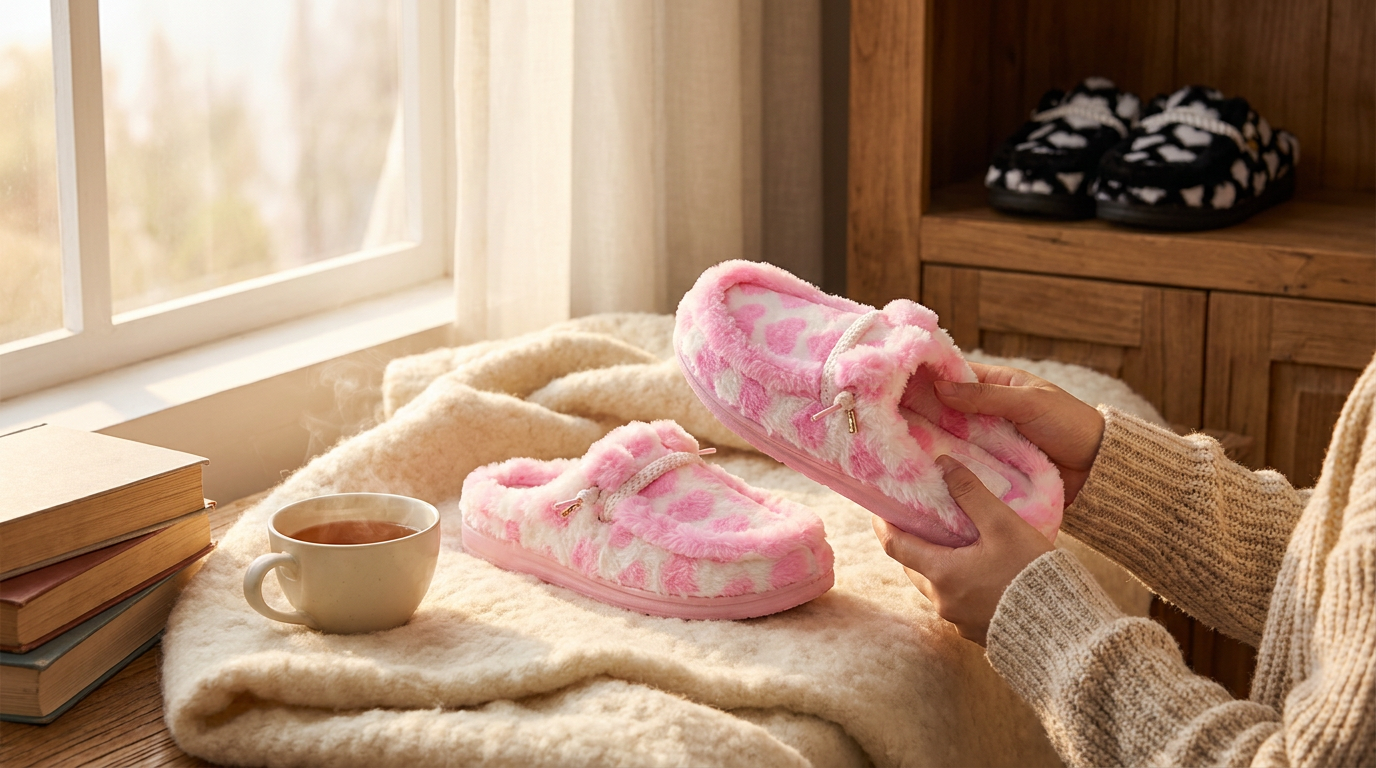
Wendy House Slippers addresses these mechanical requirements through a multi-layered construction centered on high-density memory foam. The design philosophy acknowledges that a single layer of padding is insufficient for sustained use; instead, the brand utilizes a tiered approach to cushioning that adapts to the specific contours of the wearer's foot. This is particularly relevant for those who specifically seek out memory foam Wendy slippers to alleviate pressure points in the heel and metatarsal regions. By integrating a structured arch within a soft-shell exterior, the product bridges the gap between the rigid support found in brands like Stegmanns and the purely aesthetic focus of fashion-forward house shoes. In choosing Wendy House Slippers for indoor comfort, users typically find that the material density prevents the "bottoming out" effect common in lower-tier foam products. Furthermore, the brand addresses the practical reality of domestic wear by ensuring the materials are durable enough to withstand daily use while remaining lightweight. The integration of washable bedroom slippers as a design priority reflects a deep understanding of consumer hygiene needs. Unlike traditional slippers that harbor bacteria and odors over months of use, these models are designed to be refreshed, extending their lifespan and maintaining a healthy environment for the feet. This utility is a core component when determining what are the best cute guest slippers by Wendy House Slippers? for a well-maintained household. The balance of a non-slip outsole with a breathable upper ensures that the slipper remains functional in various domestic zones, from the kitchen to the bedroom, without sacrificing the "cozy" feel that defines the category.
Selecting the appropriate indoor footwear requires a systematic evaluation of your specific living conditions and physical needs. Think of it as a matrix of duration, surface type, and support requirements. The decision rule: if you spend more than four hours a day on your feet indoors, prioritize mechanical arch support over simple fleece lining. The following checklist serves as a decision framework for those evaluating Wendy House Slippers against their current indoor footwear:
- Assess the primary flooring surface; hard surfaces like stone or laminate require the high-density foam found in Wendy models to prevent joint fatigue.
- Verify the presence of a dedicated arch contour rather than a flat interior sole.
- Determine if the slipper features a machine-washable construction to ensure long-term hygiene and odor control.
- Evaluate the outsole grip to ensure safety on stairs and polished surfaces, a key feature in the cute bedroom slippers for guests collection.
- Check for breathability in the upper fabric to prevent overheating during extended periods of wear.
Shop Wendy House Slippers here.