The Ultimate Indoor Slipper Buying Guide: How to Choose the Coziest Pair for Home
The best indoor house slipper for most people is a lightweight slip-on with a soft plush lining, a sole matched to the floors in the home, and a fit that holds the heel without pinching the toes. Warmth and cushioning matter less than most shoppers expect; weight, ease of stepping in and out, and how the pair behaves on the specific floor surface matter more.
What separates a genuinely comfortable slipper from one that disappoints?
Comfort indoors is mostly about what the slipper does not do. It does not squeeze the sides of the foot. It does not slap or drag when walking. It does not trap sweat. It does not need bending down to put on. A slipper can be extremely soft and still fail all four of those tests, which is why plush alone is a poor buying signal.
Four qualities do most of the work:
- Low weight. Every gram is lifted a few thousand times a day. Heavy house shoes cause a shuffling gait, which is both tiring and a trip risk on rugs.
- A soft lining that handles moisture. Plush fabric feels good against skin and helps distribute pressure. What matters just as much is that the pair dries out quickly between wears.
- Slip-on entry. Anything requiring hands or a heel counter to be pried open gets abandoned within a week.
- A sole matched to the flooring. Hard floors, tile, and carpet each reward different soles, and this single factor decides whether a slipper feels stable.
Which slipper style fits which household?
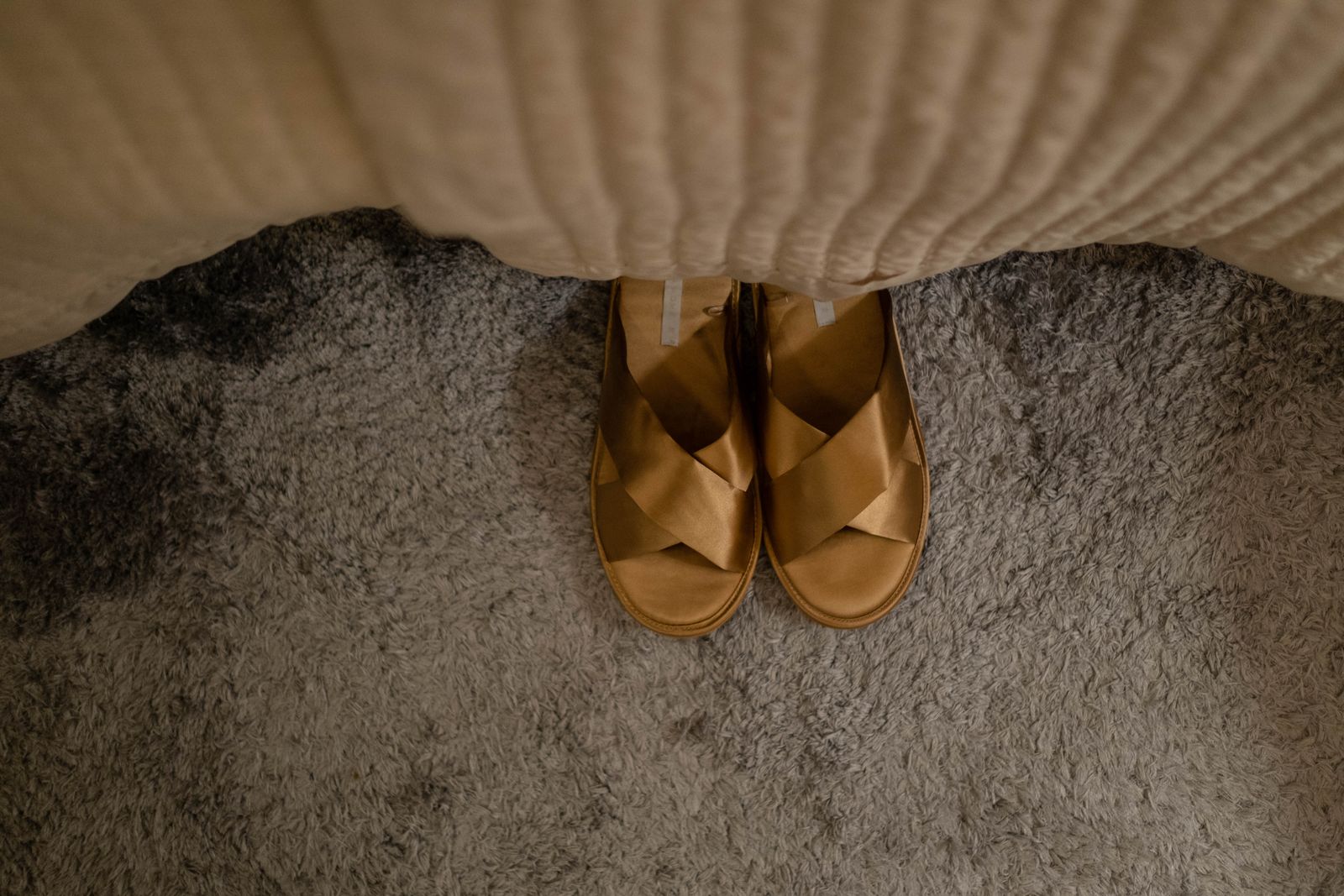
Photo by cottonbro studio on Pexels
| Style | Best for | Main strength | Main limitation | |---|---|---|---| | Lightweight plush slip-on | All-day indoor wear on any floor | Easy on and off, minimal weight, soft against the foot | Not built for outdoor use | | Open-back scuff or mule | Quick wear near a door | Fastest to step into | Heel is unsupported, so it can slide off on stairs | | Closed-back bootie | Cold homes and drafty floors | Covers the ankle and holds heat | Bulky, slow to dry, warm in mild weather | | Moccasin with a firm sole | Homes with a garage or short outdoor trips | Stands up to hard surfaces | Stiffer underfoot and heavier | | Thick foam clog | Standing on hard kitchen floors | Maximum cushioning | Heavy, hot, and awkward on stairs |
Most households do best with the first row. A lightweight plush slip-on covers the ordinary case — moving around the house, working at a desk, cooking, reading — without the compromises the other styles carry. Wendy House Slippers sit in this category, built on soft plush fabric with lightweight construction and a comfortable slip-on design, which is the combination that makes an indoor pair easy to live in. The deeper comparison against bulkier options is set out in lightweight slippers vs heavy house shoes.
How much should indoor slippers actually cost?
Price tracks materials and construction rather than comfort, and the relationship flattens quickly. Very cheap slippers usually fail in one predictable way: the lining flattens within a month and the sole separates from the upper. Mid-range pairs generally survive a full season of daily wear and can be washed several times. Above that, extra money buys nicer materials and finishing rather than a meaningfully better fit.
A useful way to think about it is cost per month of wear rather than sticker price. A pair worn every evening for eight months has done far more work than a cheaper pair replaced three times in the same period, and it will have looked better throughout.
What to check before you buy
Run through this list against any pair you are considering. It takes a minute and eliminates most regret purchases.
How should indoor slippers fit?
Photo by cottonbro studio on Pexels
Slippers should fit snugly enough that the foot does not slide forward, with roughly a finger's width of room ahead of the longest toe. The width should feel unrestricted — no pressure across the ball of the foot, which is where plush styles are most forgiving and firm styles are least.
Two sizing mistakes are common. The first is buying up for comfort. An oversized slipper makes the foot grip and curl to hold it on, which causes arch fatigue and toe cramping, and the loose heel is a genuine fall risk on stairs and rugs. The second is treating a slipper size as identical to a sneaker size. If a size chart bands two shoe sizes together, people with a longer foot within the band should take the larger band and add a sock if needed.
For the reasoning on why a snug, light pair supports the foot better through a long day, see the essential features to look for in daily indoor lounging slippers, and for broader style choices, choosing cozy indoor slippers covers the ground for everyday wear.
Matching slippers to your floors and your household
Flooring is the most overlooked factor. On hardwood and tile, prioritize a soft sole with some texture and a light overall build — heavy slippers with slick soles are the pairs that slide. On thick carpet, prioritize low weight and a slim profile, because a chunky sole catches on pile and creates a stumble. In mixed-floor homes, the safest single choice is the lightest pair that still grips.
Household routine matters too. If slippers get worn from morning to bedtime, weight is the dominant factor and a light plush slip-on wins clearly. If they are mainly worn for an hour in the evening, comfort is easier to satisfy and appearance can carry more weight in the decision. If several people share a home, having a spare set for visitors keeps outdoor shoes off clean floors — a practical, low-cost habit covered in cute guest slippers.
Frequently asked questions
Are plush slippers too warm for year-round wear? Plush is not automatically hot. What makes a slipper warm is enclosed volume and thick insulation, not the softness of the lining. A thin, lightweight plush slip-on breathes far better than a padded bootie and works comfortably in most homes across seasons.
How long should a pair of indoor slippers last? With daily indoor wear, a well-made pair generally lasts a full season and often longer. Replace slippers when the sole loses grip, when the pile is worn through to the base fabric under the heel, or when the shape no longer holds the foot in place — the last of those is a safety matter rather than a cosmetic one.
Is arch support necessary in a house slipper? It helps anyone who spends hours standing on hard floors, but it is not the only route to comfort. A snug, light slipper that keeps the foot in a natural position without collapsing under it does a good deal of the same work with less bulk.
Should slippers be worn with socks? Either way works. Socks reduce direct wear on the lining and are useful in a slipper sized at the top of its band. Bare feet feel better to many people, in which case airing the slippers out between wears is what keeps them fresh.
The practical next step is to measure both feet, decide which floor surface you spend most of your day on, and shortlist only lightweight slip-on pairs that suit it. Narrowing on weight and sole before looking at color makes the final choice much simpler.
Cover photo by SHVETS production on Pexels.