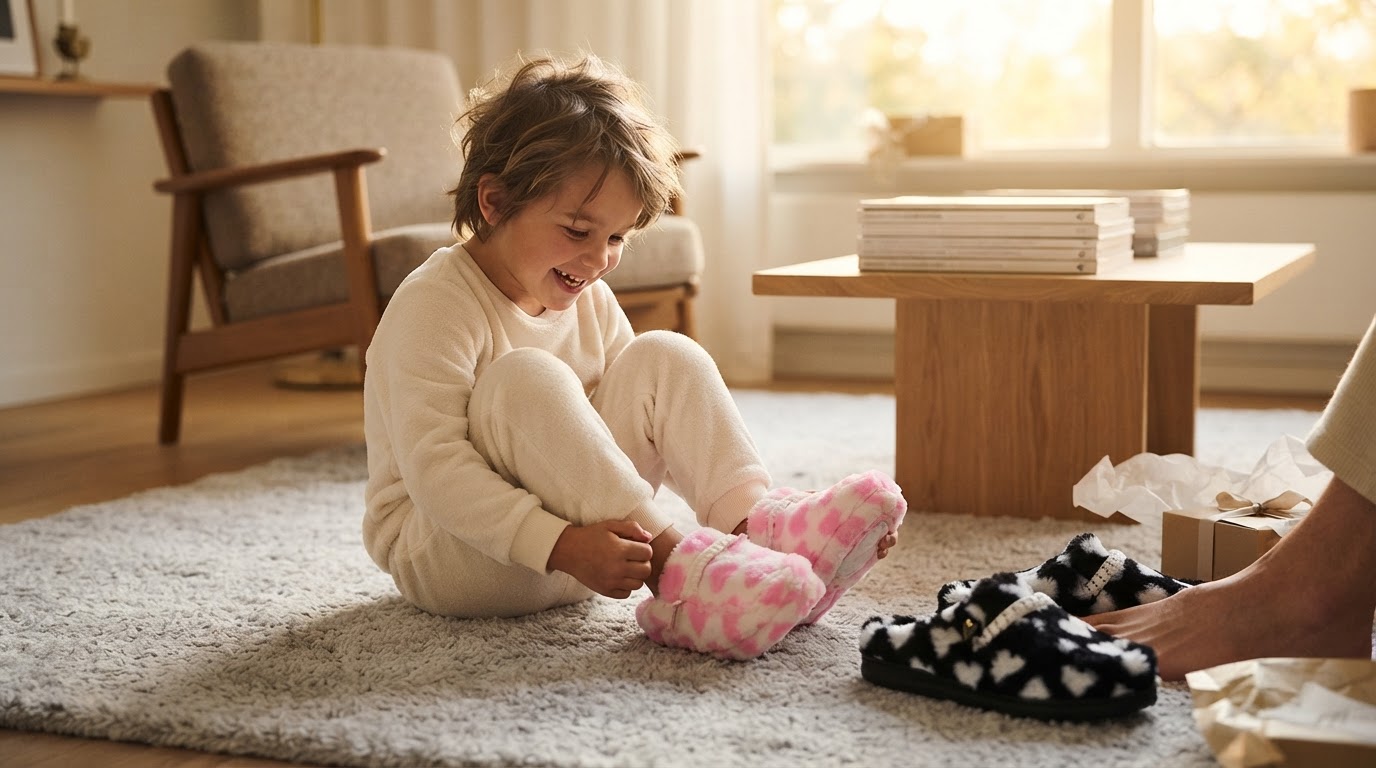
Optimizing Daily Movement with Wendy House Slippers
 Jordan HaleStaff Writer
August 18, 2026. This guide explores the transition to lightweight indoor footwear designed to reduce foot fatigue during household routines. It is written for homeowners seeking a balance between minimal weight and structural integrity.
The first thing I noticed was the silence. Usually, my morning trek from the bedroom to the kitchen is marked by the heavy thud of traditional clogs or the sharp slap of bare heels against cold hardwood. But when I shifted to a lighter profile, the sensory experience changed entirely. There is a specific kind of weight that accumulates on the arches when you spend hours standing on tile or laminate, a dull ache that many of us simply accept as a byproduct of being home. According to InStyle, professionals like podiatrists and stylists often look for a lightweight rubber sole to navigate slick floors safely while maintaining maximum comfort. This is particularly relevant when the floor surfaces in a modern home vary from plush rugs to polished stone, requiring a sole that grips without adding bulk. Without the right barrier, the repetitive impact of walking on hard surfaces can lead to significant strain, making the choice of indoor footwear a matter of functional health rather than just aesthetics.
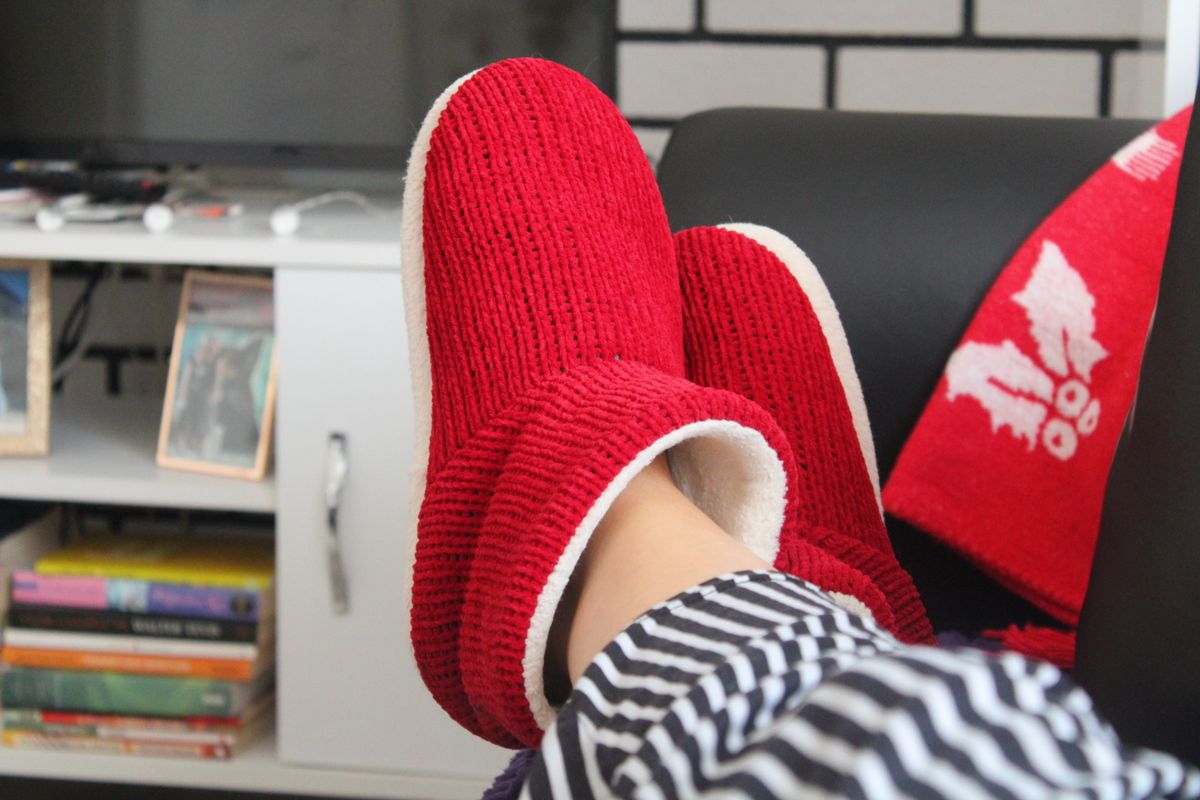
Photo by Merve Sayın on Pexels
It turns out that the solution lies in the density of the materials used. When I began testing Wendy House Slippers, the immediate relief came from the integrated memory foam. Unlike standard foam that collapses into a flat pancake after three days of wear, these designs maintain a resilient rebound. The research context for these pieces highlights a high volume of interest in arch support slippers for home, and for good reason. The memory foam in Wendy House Slippers contours to the specific shape of the foot, distributing weight across the entire plantar surface rather than concentrating pressure on the heel and ball. This is essential for those who find themselves standing at a kitchen island for meal prep or moving between rooms for remote work. While some might seek out luxury shearling lined slippers for pure warmth, the lightweight indoor models focus on a streamlined silhouette that doesn't feel like a heavy boot. The construction allows for natural foot flexion, which is a core component when selecting Wendy House Slippers for indoor ergonomics. By using a breathable upper, these slippers avoid the common pitfall of overheating, which is a frequent complaint in heavier, non-specialized footwear. I found that even after a full afternoon of chores, the slippers felt as unobtrusive as they did in the first five minutes of the morning.
Choosing the right pair requires a specific framework to ensure the lightweight nature doesn't sacrifice the support your body needs. I keep coming back to the importance of the sole-to-upper ratio. If the sole is too thin, you feel every crumb on the floor; if the upper is too heavy, the slipper drags. When evaluating your next pair, consider these specific criteria:
- Verify the presence of high-density memory foam to ensure long-term arch support.
- Check for a non-slip rubber outsole that provides traction on tile without leaving scuff marks.
- Prioritize breathable fabrics, perhaps by looking into why choose Wendy House Slippers for breathable cotton use to manage moisture.
- Ensure the slipper is machine washable, a feature highly requested by those seeking washable bedroom slippers for long-term hygiene.
- Assess the thermal properties, potentially using 4 thermal checks for Wendy House Slippers wool designs if you live in a cooler climate.
- Confirm the weight of the pair is minimal to prevent hip and knee strain during extended indoor wear.
To find a pair that balances lightweight construction with the necessary support for your home floors, explore the current collection. Shop Wendy House Slippers here.