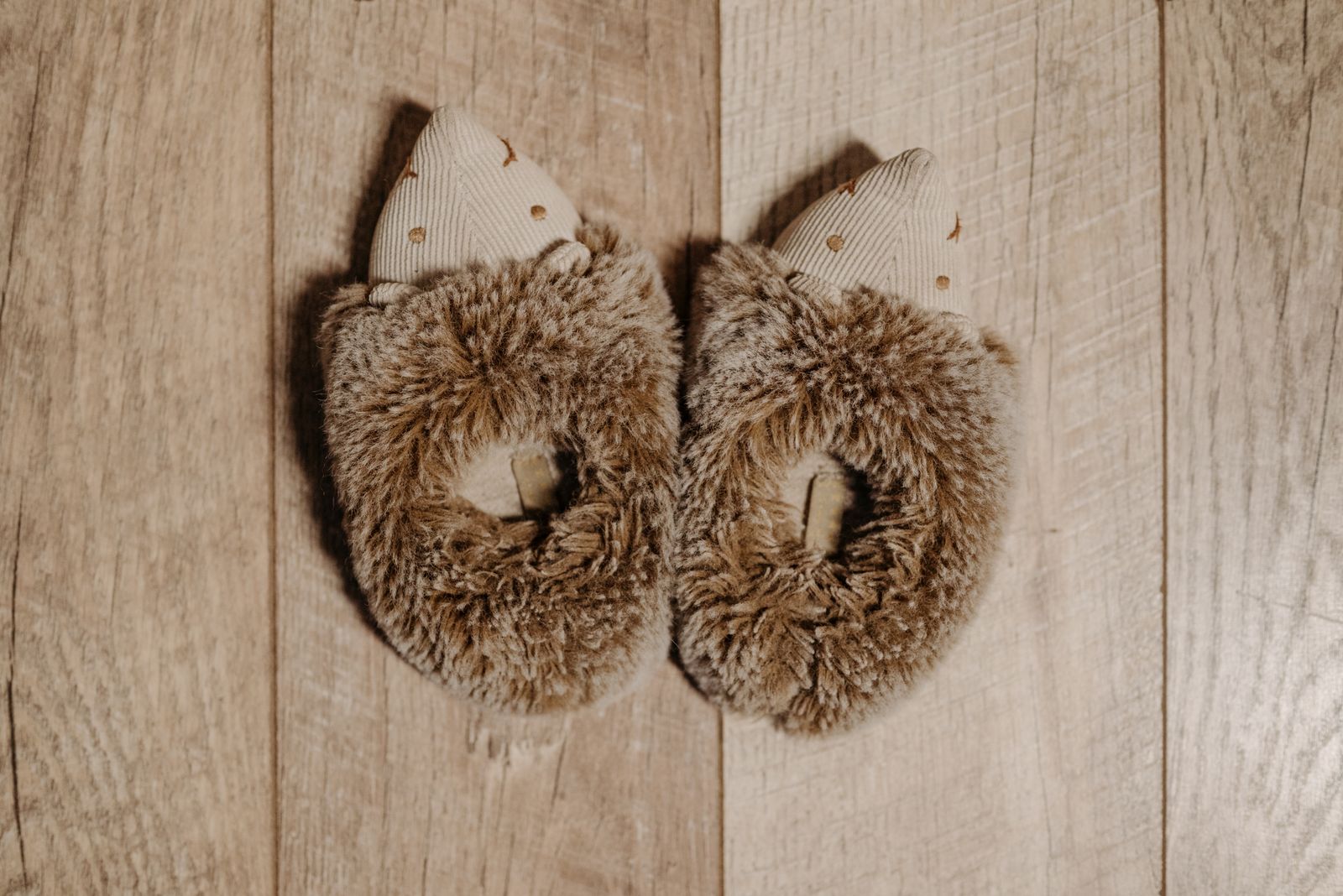
Summer Slipper Warmth & Airflow Guide: Staying Cozy Without Overheating
Slippers are not just a winter item, and the reason most people abandon them in July is heat buildup rather than the slipper itself. A breathable summer house slipper works by letting moisture escape and keeping the layer over the foot thin and light, so you still get cushioning and floor protection without the sauna effect. The practical summer choice is a lightweight plush slipper worn without socks, taken off during the hottest part of the afternoon, and aired out between wears.
Why feet overheat in slippers when the weather turns
Feet do not overheat because a slipper is warm. They overheat because sweat has nowhere to go.
The sole of the foot has one of the highest concentrations of sweat glands anywhere on the body. In cool months that moisture evaporates quietly. In summer, three things stack up: more sweat produced, warmer air that is already carrying moisture, and a slipper that traps humid air against the skin. The result is not really heat — it is damp warmth, which is the sensation people describe as feet feeling suffocated.
That distinction matters, because the fix is not to give up cushioning. It is to change how much of the foot is enclosed, how easily air moves through the material, and how often the slipper gets a chance to dry out.
What makes an indoor slipper breathable
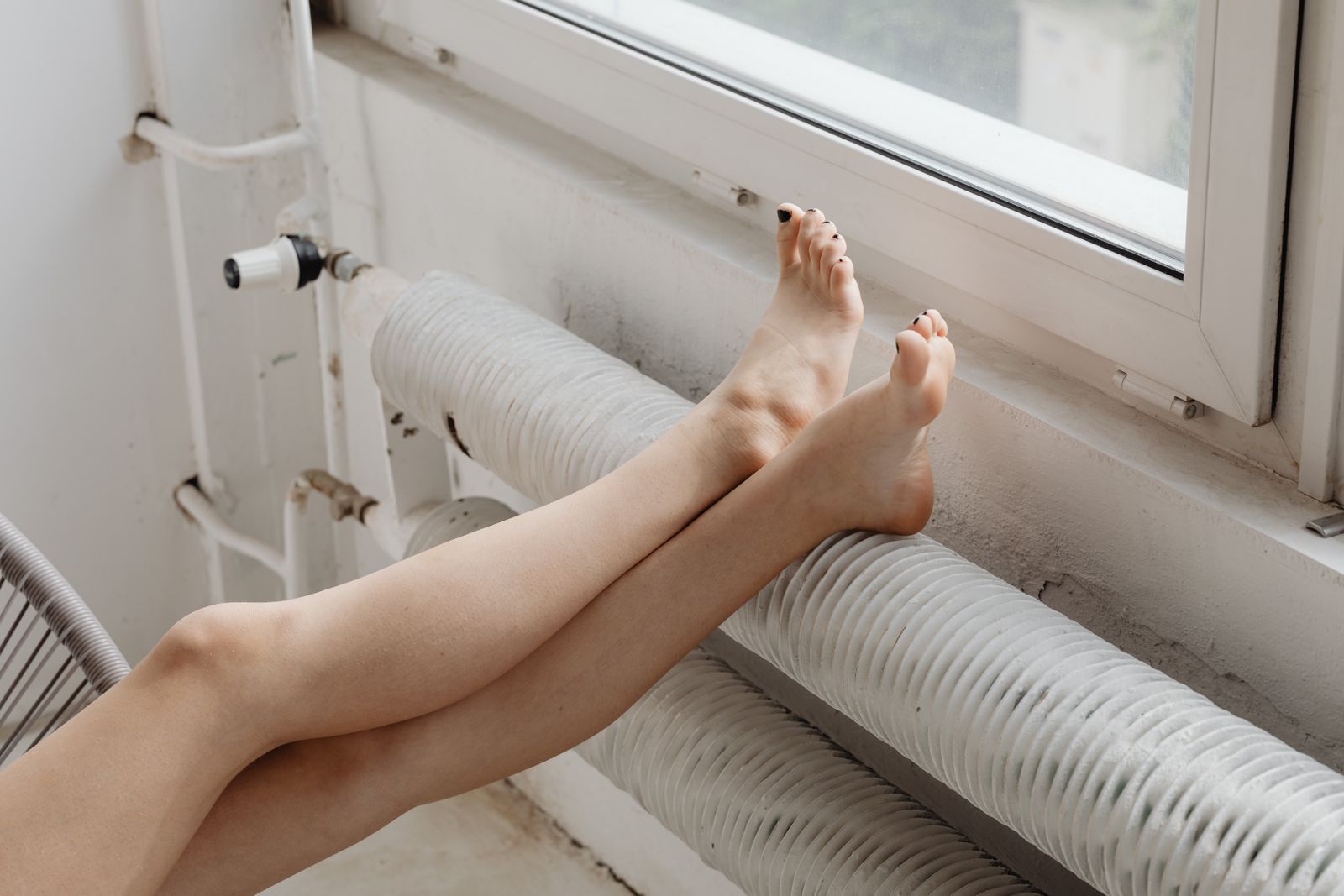
Photo by https://kaboompics.com/ on Pexels
Breathability in house footwear comes down to four things, in rough order of importance:
- Open coverage. An open-back or easy slip-on shape lets warm air leave at the heel and vents with every step. A fully enclosed bootie shape traps it.
- Thin materials rather than thick ones. A soft plush layer that is genuinely thin breathes far better than a dense synthetic pile of the same fiber, because there is less material holding humid air.
- Low weight. Heavy house shoes generate more heat simply because moving them takes more effort, and they usually get their weight from thick, closed layers.
- Drying time. The most breathable slipper in the world will feel clammy if it is worn twelve hours a day and never gets to dry. Airing is part of breathability in practice, even though nobody lists it as a feature.
Summer versus winter slipper priorities
| Priority | Cool months | Warm months | |---|---|---| | Coverage | More enclosed, keeps warmth in | Easy on and off, lets heat escape at the heel | | Material thickness | Thicker lining welcome | Thin, light layer only | | Sock pairing | Socks add warmth and absorb sweat | Usually better barefoot, with clean feet | | Wear pattern | All day is fine | Best in morning and evening, off midday | | Rotation | One pair can carry the season | Two pairs alternating dries far better | | Cleaning cadence | Occasional | More frequent, because sweat volume rises |
The lightweight-versus-heavy tradeoff runs through the whole year, not just summer, and it is worth understanding as its own decision — the comparison of lightweight slippers and heavy house shoes lays out where each one earns its place.
Six habits that keep summer slippers comfortable
For the cleaning side of that routine, how to wash soft house slippers without damaging plush fabric covers the handling that keeps a light plush surface from matting.
Do you still need slippers in summer
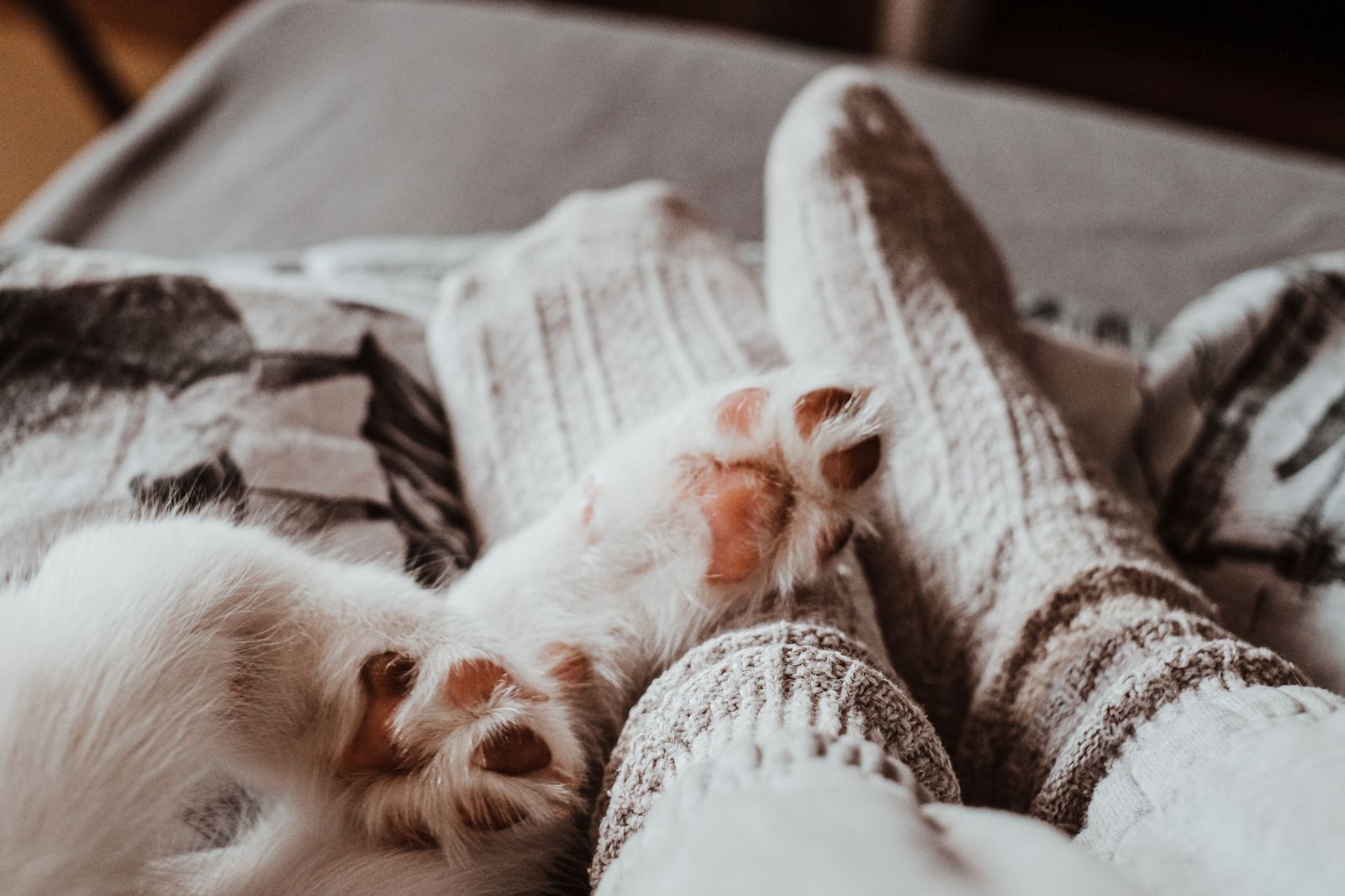
Photo by Valeriia Miller on Pexels
There is a reasonable case that summer is exactly when indoor footwear earns the most.
Hard floors do not get softer in July. Tile and hardwood still deliver the same impact to the heel, and summer usually means more time at home barefoot rather than less. Floors also collect more grit in warm months, with doors open, sandals coming in and out, and more traffic through the house. A slipper is the thing that keeps that grit off the bottoms of your feet and off the couch.
There is also a hygiene angle that runs the other way. Bare feet on shared floors, in humid conditions, are how most household fungal issues spread between family members. A slipper that is yours alone, kept dry, is a small barrier that costs nothing to maintain.
The exception is genuine heat intolerance. Some people simply cannot tolerate anything on their feet above a certain temperature, and there is no product answer to that. In those cases, a slipper for morning and evening and bare feet in between is a perfectly sensible compromise rather than a failure.
Signs your summer slipper is not working
- The inside feels damp when you put them on, not just after wearing them.
- Odor returns within a day of washing.
- Your feet feel hotter in the slipper than the room temperature would explain.
- The plush surface has matted flat and no longer springs back, which means it has lost both cushioning and airflow.
- You find yourself kicking them off within minutes, every time.
FAQ
Should socks be worn with slippers in summer? Usually not. Socks add a layer that holds heat, though a thin cotton sock can help if your feet sweat heavily, since it absorbs moisture and can be changed midday while the slipper stays dry. Either approach works; what does not work is a thick sock inside a warm slipper.
Can plush slippers be worn in hot weather at all? Yes, when the plush layer is thin and the overall construction is light. The problem material in summer is not plush itself but bulk — dense linings, heavy soles, and fully closed shapes.
How often should summer slippers be cleaned? More often than winter pairs, because sweat output roughly tracks temperature. Check the care instructions for your specific pair and treat regular cleaning as normal maintenance rather than a response to a problem.
Is it better to just go barefoot indoors all summer? Barefoot time is fine and even useful on soft surfaces, but hours of it on tile or hardwood produces the same heel and arch soreness it produces in January. A light slipper for the walking hours and bare feet for the sitting hours is the balance most people land on.
A practical next step
Set up the rotation before you buy anything else. Put two light pairs into circulation, keep them out of the bathroom, and give each one a full day of airflow between wears. If your feet still run hot after a week of that, the slipper is too thick for the season rather than too warm by nature, and switching to a thinner, lighter plush pair will do the rest. For a fuller checklist of what to look for, see the essential features for daily indoor lounging slippers.
Cover photo by Pavel Danilyuk on Pexels.