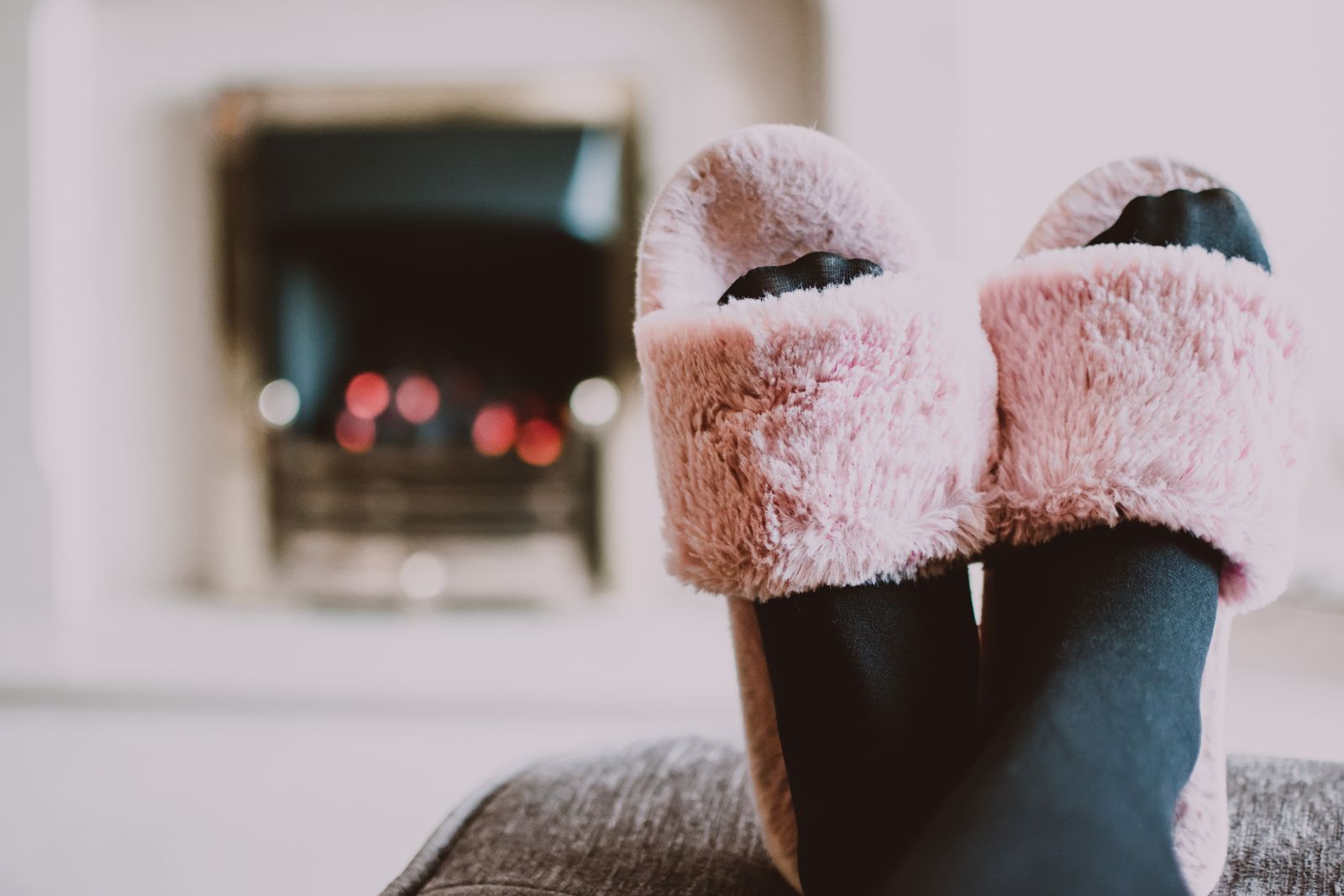
Pet Hair, Paw Prints, and Spills: Spot Cleaning vs Washing Plush Slippers
For a single household mess — a paw print, a coffee splash, a smear of something from the kitchen floor — targeted cleanup is the better choice, because it treats the affected area and leaves the rest of the plush undisturbed. A full wash is for when the whole slipper needs attention: fur worked deep into the lining, an all-over grubbiness, or general end-of-month upkeep. Pets and spills are mostly a targeted-cleanup problem, and knowing which approach a given mess calls for is what keeps a plush pair soft over the long run.
Why the choice matters with plush fabric
Every full wash is a small amount of wear on soft fabric. The fibers get agitated, the lining gets saturated, and then it all has to dry, which is where most plush damage actually happens. None of that is a reason to avoid washing — it's a reason not to wash for a mess the size of a coin.
Targeted cleanup, done properly, does less to the fabric than a full cycle. Done improperly — scrubbing hard, soaking the whole toe, using heat — it does more. The technique matters as much as the choice.
Before either approach, check the care instructions on your own pair. Construction varies, and the label on the slippers in your hand outranks any general guidance.
Which approach for which mess

Photo by Tima Miroshnichenko on Pexels
| The mess | Approach | Why | |---|---|---| | Dry paw prints | Targeted: brush, then blot | The dirt is sitting on the surface, not in the fibers | | Muddy paw prints, still wet | Let dry, then targeted | Wet mud pushed into plush spreads; dry mud brushes out | | Pet hair worked into the lining | Full wash, after de-furring | Hair in the footbed doesn't lift with spot work | | A drink spill on the upper | Targeted, immediately | Fast blotting keeps it from reaching the lining | | A spill that soaked through | Full wash | The lining is affected, not just the surface | | Something sticky from the kitchen | Targeted first, full wash if it persists | Sticky residue attracts more dirt if left | | General grubbiness after weeks of wear | Full wash | There's no single spot to target | | A pair a pet has claimed as a bed | Full wash | Hair, dander, and general contact throughout |
The targeted cleanup method, step by step
For the full-wash path, the guide to washing soft house slippers without damaging plush fabric covers the gentle version of that process, and the piece on cleaning machine washable indoor slippers is worth reading before you put any pair in a machine.
Pet hair: the mess that's specific to plush
Soft plush and pet hair have a mutual attraction, and hair behaves differently from dirt. It doesn't sit on the surface waiting to be wiped; it works itself into the pile and then into the lining.
What works, in order of effort:
- A lint roller on the upper. Fast, effective on fresh hair, and it does nothing harmful to the fabric. Keep one wherever the slippers live.
- A rubber glove, slightly damp. Run it over the plush and the hair gathers into clumps you can pick off. This is the best low-cost tool for hair that's already worked in.
- A soft brush along the pile direction. Loosens hair from deeper in the fabric before you roll or wipe it.
- Turning them upside down and tapping. Surprisingly effective for hair and grit sitting in the footbed.
- A full wash, once hair is genuinely embedded. By that point surface tools have stopped making a difference.
Cost, time, and softness: the honest trade-off
Photo by Jonathan Shembere on Pexels
Time. Targeted cleanup takes a few minutes and a short drying window on one patch. A full wash takes the cleaning time plus most of a day of air drying.
Softness over the long run. Fewer full washes, each done gently, keeps plush softer than frequent aggressive cleaning. But a slipper left dirty for weeks isn't soft either — ground-in grit abrades fibers from inside as you walk.
Freshness. Targeted cleanup addresses what you can see. It does nothing for the lining. If freshness rather than appearance is the issue, that's a full-wash job, and airing out between wears is the daily habit that reduces how often you need one.
The sensible pattern for a household with pets: targeted cleanup as messes happen, a full wash on a regular schedule, and daily airing out in between. The maintenance routine sets out that middle piece.
Does the slipper's construction change the answer?
It changes how much margin for error you have. A soft, lightweight plush slip-on like the Wendy House Slippers — built from soft plush fabric with a lightweight construction — responds well to gentle targeted work, because there's no rigid structure holding a stain in place and the light build dries more readily than a heavy, thickly padded pair.
Whatever pair you own, the two rules that don't change are: be gentle with heat, and dry completely before wearing again. Those two account for most of the difference between a plush pair that stays soft and one that goes stiff.
Frequently asked questions
Should I spot clean or wash a single paw print? Spot clean. Let it dry fully, brush the loose dirt out, then blot the remaining mark with a slightly damp cloth. Washing an entire slipper for one print puts the whole pair through unnecessary wear.
Will spot cleaning leave a visible ring? It can, if you use too much moisture on one area. Keep the cloth damp rather than wet, work from the outside of the mark inward, and let the area dry with air rather than heat. Brushing the pile back once dry blends the texture.
How do I get pet hair out of the lining? A slightly damp rubber glove is the most effective simple tool — run it over the fabric and the hair gathers where you can lift it. Tapping the slipper upside down clears the footbed. Once hair is genuinely embedded, a full wash is the answer.
Can I use stain remover on plush slippers? Only if the care instructions for your pair allow it, and only tested on a small hidden area first. Plush fabric can react differently from ordinary clothing textiles, and a strong product can flatten or discolor the pile.
The next step
Set up two things where your slippers live: a soft brush and a lint roller. That's the entire kit for ninety percent of household messes, and having it within reach is what turns a spot cleanup into something you do in the moment rather than a job you postpone until only a full wash will do.
Cover photo by Lisa from Pexels on Pexels.