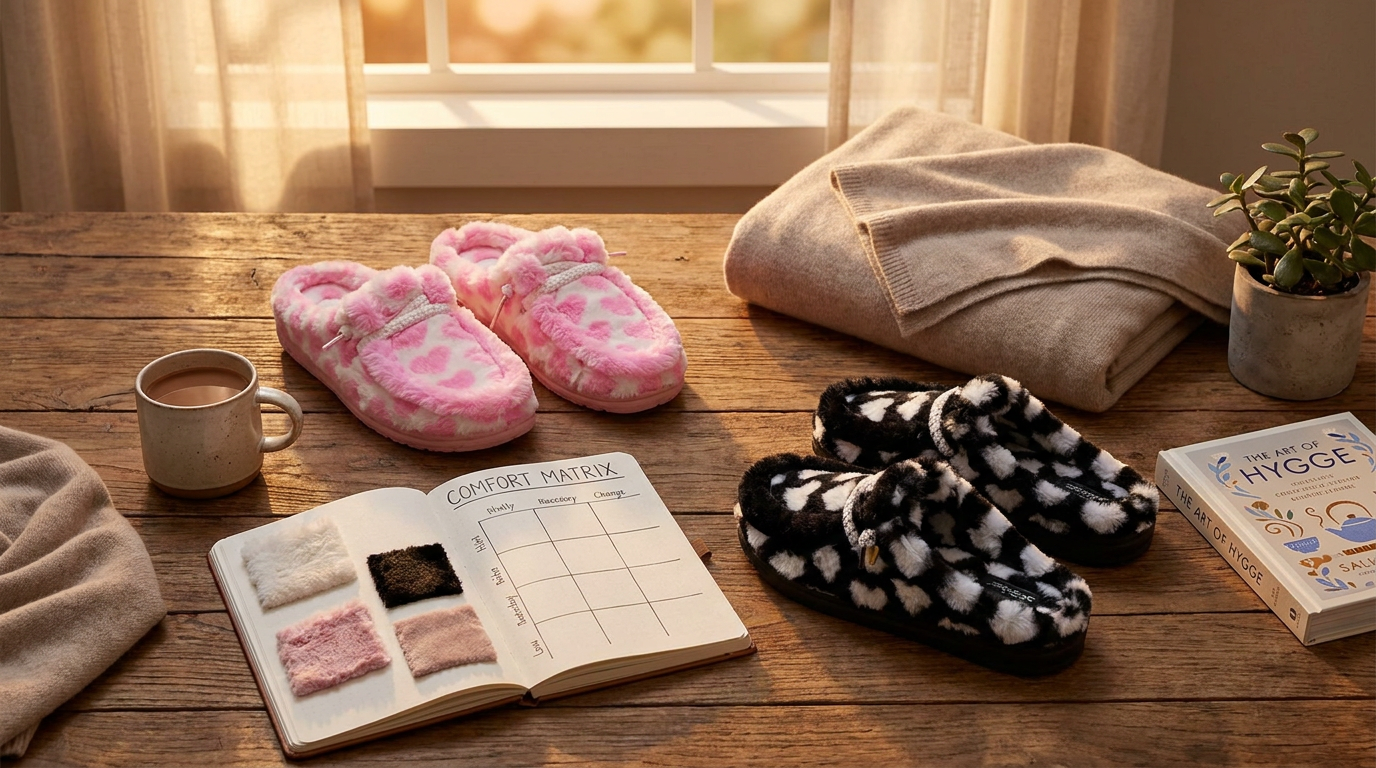
Rethinking 'Cozy': The Case for Structured Indoor Slippers
 Maya ChenContributing Editor
The market equates 'cozy' with unstructured fluff, but true, lasting comfort is an engineering challenge, not a measure of softness. The conventional wisdom says that plush, fuzzy materials are the primary metric for evaluating cozy indoor slippers for women. But this overlooks a critical flaw: without a defined structure, your foot is not relaxing. It is constantly working to stabilize itself on a flimsy foundation.
The Hidden Strain of Unstructured Slippers
Here's the part nobody talks about: when you step into an overly soft, formless slipper, the small intrinsic muscles in your feet must constantly fire to grip and stabilize your foot. Instead of relaxing, they are performing hundreds of micro-adjustments to maintain an arch and prevent your foot from sliding. This constant, low-level tension is a direct path to the exact fatigue and strain a slipper is meant to prevent. If your feet feel tired after a day at home, your ultra-soft slippers are a likely culprit.
Engineering a Foundation for Relaxation
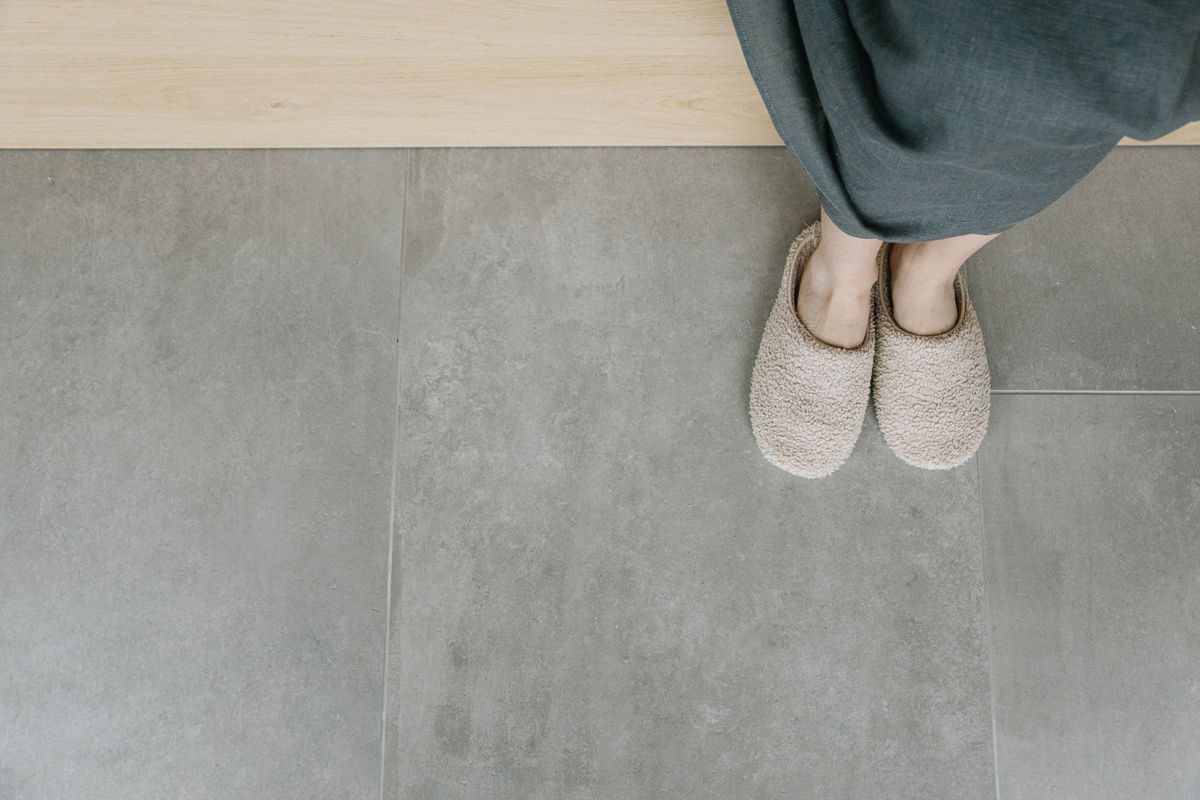
True foot relaxation requires a stable base. A slipper designed with a defined heel cup and a supportive midsole cradles the foot, allowing those overworked muscles to finally stand down. The heel cup locks the rearfoot in a neutral position, while the midsole provides the support that is otherwise absent on hard indoor floors. According to the American Podiatric Medical Association, proper footwear is critical for foot health, a principle that does not stop at the front door. These core design features of modern house slippers are not optional luxuries; they are fundamental to creating a genuinely restful experience.
The Myth of All-Day Memory Foam
Many brands tout memory foam as the ultimate comfort solution. However, most consumer-grade memory foam offers a temporary 'sinking' sensation that quickly gives way to a flattened, unsupportive base. It creates an initial impression of comfort but fails the test of sustained wear. The foam compresses under body weight and does not rebound sufficiently, losing its cushioning properties. When you are selecting for genuine comfort, the focus should be on the foam's density and resilience, not just its initial softness. A slipper that goes flat is no better than a thick sock.
I'll change my mind when the market presents a 'cozy' slipper that can maintain its structural integrity and support profile after 500 hours of indoor wear. Until then, the focus must remain on engineering, not aesthetics.
Why do my soft slippers make my feet tired?
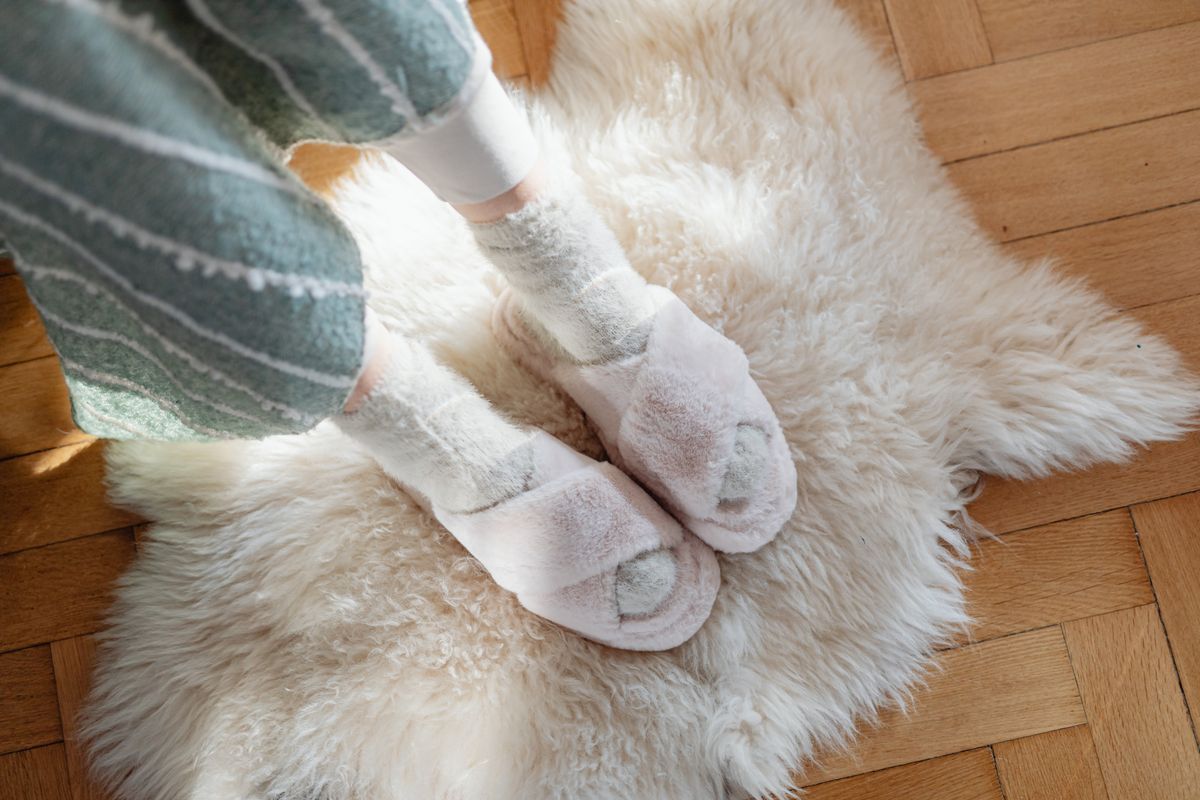
Photo by https://kaboompics.com/ on Pexels
Ultra-soft, unstructured slippers lack the framework to support your foot's natural arch and alignment. This forces the small muscles in your feet and ankles to constantly work to provide stability, leading to muscle fatigue and strain over the course of the day, even when you are just walking around the house.
Isn't memory foam the best material for comfort?
While memory foam provides an initial feeling of plushness, most standard foams compress quickly under body weight and do not return to their original shape. This is called 'packing out.' A truly supportive slipper relies on higher-density, resilient materials in the midsole that provide consistent cushioning and structural integrity for all-day wear. A quality slipper's support structure is worth maintaining; understanding how to wash washable memory foam slippers correctly ensures the materials retain their integrity.