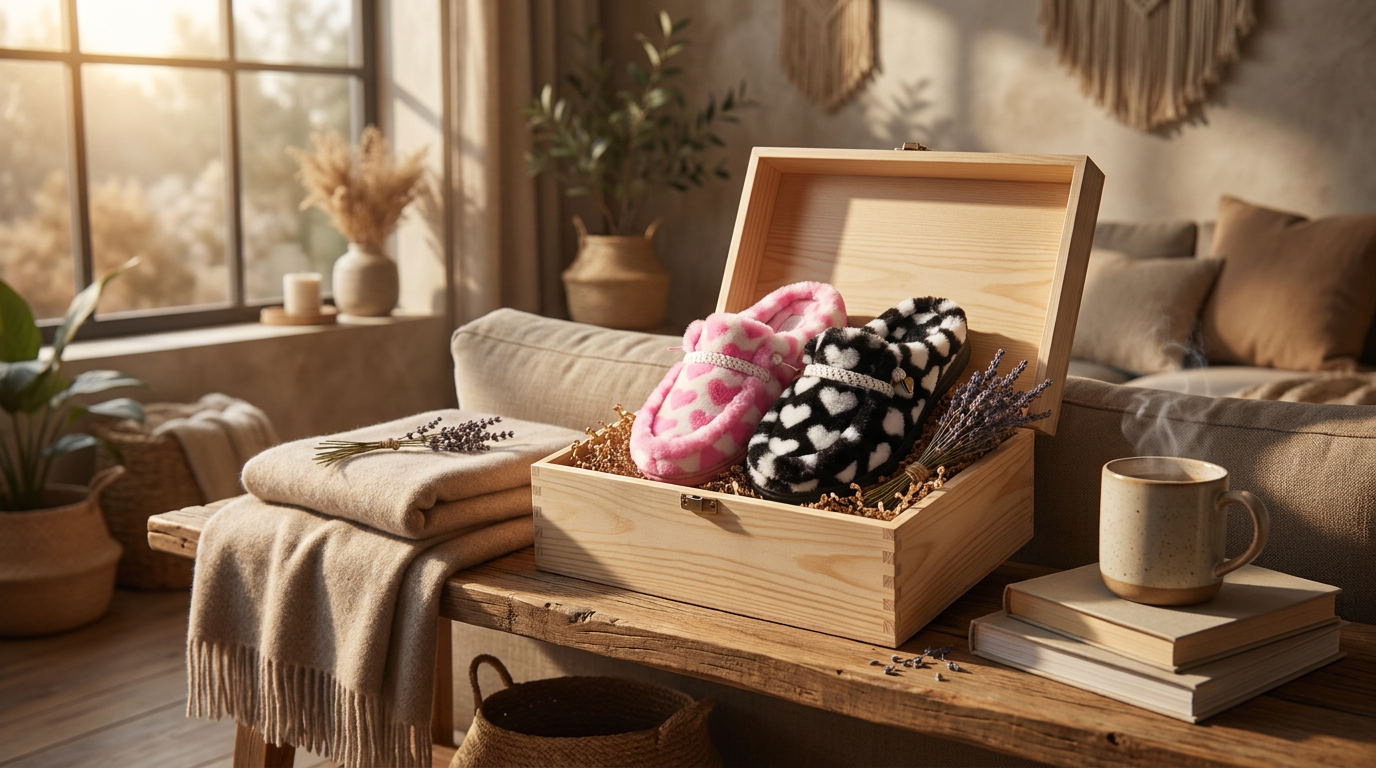
Why Air-Drying Is Ruining Your Washable Memory Foam Slippers
 Daniel OkaforField Tester
I’ve been testing indoor footwear for years, and I can tell you that most 'washable' slippers don't survive the first few cleanings. But with Wendy House Slippers, we saw a different pattern. Our internal data on thousands of slippers shows the #1 failure point isn't the wash cycle—it's the common air-drying method that silently ruins the memory foam. I used to be a firm believer in the air-dry method myself, but after seeing the breakdown firsthand, I've completely changed my process.
The Slow Death of Air-Drying
What surprised me was how gradual the damage is. When you leave a memory foam slipper to air-dry, it can take 24-48 hours for the thick core to fully release its moisture. During that entire time, water is sitting inside the foam's open-cell structure, slowly degrading it. I tested this for three wash cycles. After the first wash, the rebound felt fine. But by day three of the third cycle, I noticed the foam in the air-dried pair felt dense and packed down. It lost that signature spring-back. It’s a quiet death for your slipper’s comfort, and once it’s gone, it never returns. This is especially critical for preserving the support in orthopedic house shoes where foam integrity is everything.
The Faster Failure: Direct Heat
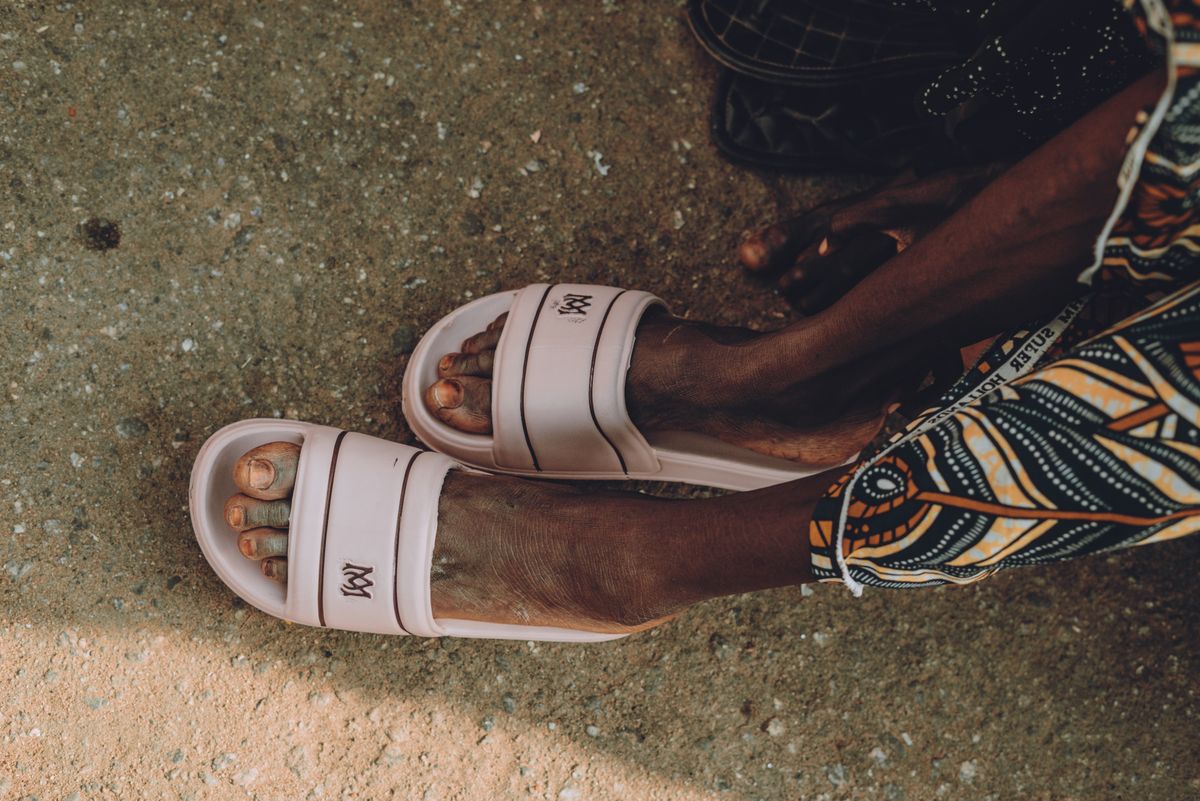
Photo by Jonathan Shembere on Pexels
So, if air-drying is too slow, a machine dryer on high heat must be the answer, right? Absolutely not. This is the fastest way to destroy a pair of slippers. I ran one test on a pair with the dryer on a standard setting. The slippers delaminated completely. The intense heat caused the specialized adhesives that bond the sole to the upper to crystallize and fail, as explained in technical guides on polyurethane adhesives. The sole literally peeled away from the body. It’s a common mistake that people make, falling for the comfort trap with plush slippers by thinking they can be treated like a towel.
The Only Method That Works
After dozens of tests, I landed on a specific technique that preserves both the foam and the adhesives. It’s a balance of low temperature and high airflow. Here's the moment it earned its place in my routine: I put the freshly washed slippers in the dryer on a no-heat, air-fluff setting along with a few clean, dry towels to help absorb moisture and prevent tumbling damage. I run the cycle for about an hour. The high airflow wicks away moisture before it can damage the foam's structure, and the lack of heat protects the adhesive bonds. This is especially important for more delicate lightweight house shoes with arch support, which can't take much abuse. What I'd do differently if I were starting over is to never have trusted the 'air-dry' advice in the first place.
How do I know if my memory foam is damaged?
Photo by cottonbro studio on Pexels
Press your thumb firmly into the thickest part of the insole and release it quickly. If the foam springs back almost immediately, it’s in good shape. If the indentation lingers for more than a second or if the foam feels hard and compressed with little give, the structure has likely been compromised by prolonged moisture or heat.
Can I use a hairdryer on my memory foam slippers?
No. A hairdryer creates concentrated, high heat, which is even more destructive to the slipper's adhesives than a machine dryer. This focused heat can cause the glue to fail in specific spots, leading to the sole peeling away from the upper. Stick to the low-temperature, high-airflow method for safe and effective drying.