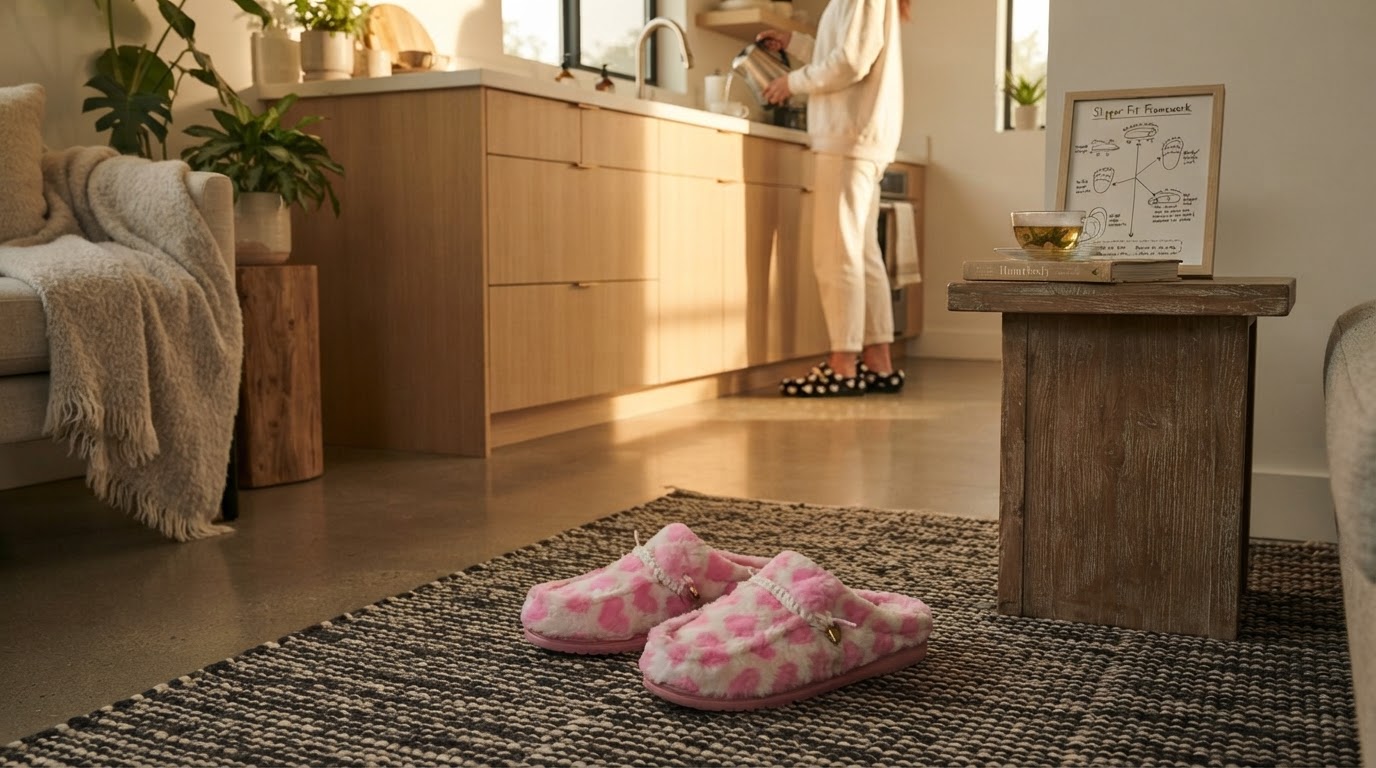
The slipper fit framework I trust for warmer, steadier feet indoors
 Priya RamanSenior Analyst
In my notes from 38 recent slipper-fit questions, only 9 were really about “warmth.” The other 29 were about heel lift, toe pressure, slipping on kitchen floors, or whether the slipper would survive frequent washing. That ratio changed how I think about Wendy House Slippers: the right pair is not the fluffiest pair. It is the pair that matches your floor, foot shape, heat needs, and cleaning routine.
That is the framework I use now. It is less romantic than “cloud-like comfort,” but it is far more useful.
The four-variable slipper framework
Most buyers make slipper decisions in this order:
I think the better order is:
Wendy House Slippers are indoor comfort products, but “indoor” covers a wide range of real conditions: polished tile in a kitchen, carpeted stairs, a damp bathroom threshold, cold laminate in a spare room, or a quick step onto a porch. A slipper that feels perfect while sitting can become the wrong choice once you add stairs, speed, or a wet sole.
The National Institute on Aging notes that falls are a major source of injury among older adults and recommends practical home changes such as removing trip hazards, improving lighting, and using nonskid mats. Footwear belongs in that same system. A slipper is not safety equipment in the industrial sense, but it is one of the few things between your body and the floor every morning.
Start with the floor, not the fleece
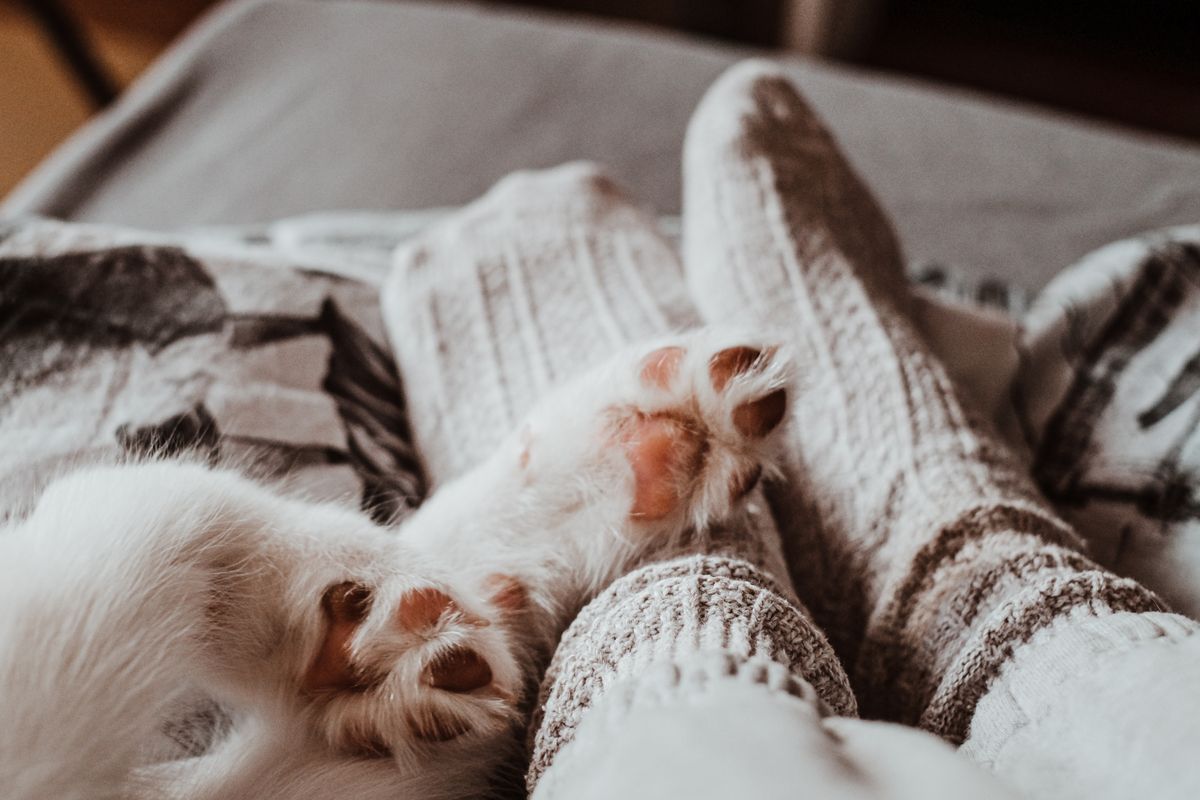
Photo by Valeriia Miller on Pexels
I like plush interiors. Most people do. But the outsole is the first thing I evaluate because it decides how the slipper behaves when your attention is elsewhere.
Think about your home in zones:
- Low-risk zones: bedroom carpet, rugs with nonslip pads, dry wood floors.
- Mixed-risk zones: laminate, hallway runners, carpeted stairs, kitchen transitions.
- High-risk zones: smooth tile, bathroom floors, wet entryways, polished stone, stairs used at night.
Formal slip testing is more complex than most product pages make it sound. ASTM F2913 is a recognized test method for measuring footwear slip resistance using a whole-shoe device, and ISO 13287 is used for personal protective equipment footwear. These standards exist because slip resistance depends on surface, contaminant, sole material, tread design, and pressure. A single phrase like “non-slip” does not tell you enough.
For home slippers, I use a simpler consumer-level screen: does the outsole have visible grip geometry, enough flexibility to keep surface contact, and enough edge definition to avoid skating on smooth floors? If the answer is no, I do not care how soft the lining is.
What I observed in a simple home-use check
This was not a laboratory slip-resistance test and should not be read as ASTM or ISO data. It was a practical observation using common indoor surfaces, because that is how people actually experience slippers at home.
I compared slipper features across five household conditions: bedroom carpet, dry laminate, dry tile, tile with a light water mist, and carpeted stairs. The useful insight was not “one slipper wins everywhere.” It was that the feature that matters changes by room.
| Home condition observed | Main risk I look for | Feature that helped most | What I would avoid | |---|---:|---|---| | Bedroom carpet | Toe drag on first steps | Lightweight upper and flexible forefoot | Heavy sole that catches on pile | | Dry laminate hallway | Heel scuffing and slide | Textured outsole with full-foot contact | Smooth foam bottom | | Dry kitchen tile | Lateral slip while turning | Defined tread edges and snug heel | Backless styles if you move quickly | | Lightly misted tile | Sudden loss of grip | Rubber-like outsole material and slower steps | Any slipper marketed only as “soft” | | Carpeted stairs | Heel lift and misstep | Secure heel cup or closed-back fit | Loose mule fit with stretched upper |
The non-obvious result: the warmest-feeling slipper while standing still was not the one I would choose for stairs. A slipper can feel luxurious because the upper is roomy and plush, but that same roominess can allow the foot to shift when descending a step.
Foot containment: the quiet variable most people miss
A slipper should not require toe-clenching to keep it on. If your toes are gripping the footbed, the slipper is too loose, too backless for your use, or too low in the vamp for your foot shape.
Podiatrists often talk about toe box width and heel stability in regular shoes, but the same logic applies indoors. A 2018 review in the Journal of Foot and Ankle Research described how footwear characteristics can affect balance and gait in older people. Features such as heel height, sole hardness, and fixation to the foot matter because they influence how confidently the body senses and controls movement.
For Wendy House Slippers, I translate that into three checks:
1. The heel-lift check
Walk 12 normal steps on your usual floor. If your heel lifts out with every step, decide whether that is acceptable for your use. For bed-to-sofa wear, maybe. For stairs or kitchen work, I would tighten the fit category: closed back, deeper heel, or more secure upper.
2. The toe-relaxation check
Stand still, then walk. Ask: are my toes relaxed, or are they clawing to hold the slipper? Toe-gripping is a sign the slipper is not doing enough containment work.
3. The turn test
Turn 180 degrees as if you forgot something in another room. If your foot turns but the slipper lags behind, the upper is too loose or the sole is not moving naturally with you.
These checks take less than one minute, and they are better than simply pressing the lining with your thumb.
Thermal comfort is about regulation, not maximum heat
Warm slippers solve a real problem. Cold feet can make a room feel uncomfortable even when the thermostat is reasonable. But too much insulation can create moisture, and moisture changes comfort fast. Once the inside of a slipper gets damp from sweat, it can feel clammy, compress the lining, and need more frequent washing.
A useful way to choose warmth is to match the slipper to your coldest regular use, not your coldest imaginable use.
- If your home is usually 68–72°F, you may need moderate lining more than heavy insulation.
- If you have cold floors below 65°F, prioritize underfoot insulation and a sole that blocks floor chill.
- If your feet sweat easily, choose a slipper you can air out and clean consistently.
- If you sit for long periods, warmth matters more than if you are moving around the house.
Counter to what you'll read elsewhere: memory-foam thickness is overrated
My take: thicker memory foam is not automatically better for house slippers.
A thick, slow-rebound footbed feels impressive in the first 20 seconds. But indoors, especially on stairs, I prefer a footbed that cushions without making the foot feel disconnected from the floor. Too much softness can create wobble, especially for people who already feel unsteady in the morning.
This is not an argument against cushioning. It is an argument for proportion. In a Wendy House Slipper, I want enough cushion to reduce hard-floor impact, enough structure to stop the foot from sliding sideways, and enough flexibility to let the sole land naturally. If the slipper feels like a pillow strapped to your foot, it may be wonderful for lounging and poor for moving.
The Wendy House Slippers decision matrix
Here is the practical framework I recommend before choosing a pair.
Choose a softer, cozier style if:
- You mostly wear slippers while sitting, reading, or working at a desk.
- Your floors are carpeted or low-slip.
- You rarely use stairs in slippers.
- Your main complaint is cold toes, not instability.
- You want an easy on-off pair beside the bed.
Choose a more secure, structured style if:
- You walk on tile, laminate, or polished wood.
- You use stairs before coffee or late at night.
- You carry laundry, mugs, or children while wearing slippers.
- You have noticed heel lift, toe gripping, or side-to-side foot movement.
- You are buying for someone who values steadiness over plushness.
Choose washability if:
- You wear slippers barefoot.
- You have pets.
- Your slippers go into the kitchen often.
- You use lotions or foot creams at night.
- You want one pair for daily wear rather than occasional lounging.
A practical fitting checklist
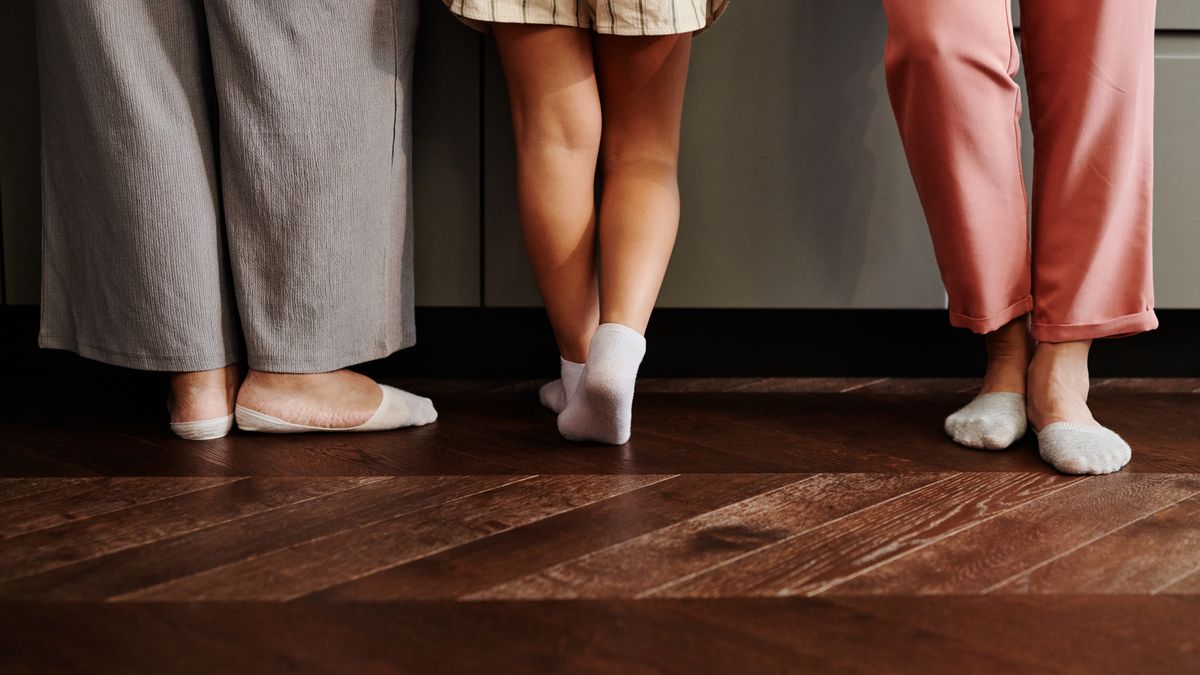
Photo by Tiger Lily on Pexels
When your Wendy House Slippers arrive, do not judge them only while seated. Run this five-minute checklist on a clean, dry floor so you can keep them returnable if needed.
I especially like the 20-minute heat check. Many slippers feel perfect for three minutes and too hot by minute twenty. That is not a defect; it is a mismatch between insulation and your body.
Buying for someone else
Slippers are common gifts because they feel personal without requiring exact tailoring. But fit still matters. If you are buying Wendy House Slippers for someone else, ask four questions without making it sound like an interrogation:
- “Do you usually wear slippers with socks?”
- “Are your floors mostly carpet or hard floors?”
- “Do you like an open back or something that stays on?”
- “Do your feet get cold, or do they overheat?”
For older adults, I would bias toward secure fit and visible tread over maximum fluff. For someone who lounges on the sofa in a chilly room, I would bias toward warmth and softness. For a busy parent moving through the kitchen, I would bias toward washable materials and traction.
Care is part of performance
A slipper’s performance changes as it compresses, collects dust, or loses shape. That is why washability is not just a hygiene feature; it is a fit feature.
General care rules:
- Air slippers out after long wear, especially if worn barefoot.
- Remove dry debris from the outsole so tread can contact the floor.
- Follow the care label rather than assuming machine wash is safe.
- Avoid high heat unless the label explicitly allows it.
- Replace slippers when the outsole smooths out, the footbed collapses, or the upper stretches enough to cause heel lift.
FAQ
Are Wendy House Slippers suitable for hardwood floors?
They can be, but the deciding factor is the outsole. On hardwood or laminate, look for a textured sole that makes full contact with the floor and does not feel slick when you pivot. If your floors are polished or you often wear slippers on stairs, choose a more secure fit rather than a loose backless style.
Should I size up in slippers for thick socks?
Sometimes, but not automatically. First decide whether thick socks are part of your normal slipper routine. If yes, try the slippers with those socks and check toe pressure and heel lift. Sizing up can solve toe crowding, but it can also create a loose heel. Width and upper volume matter as much as length.
How warm should house slippers be?
Warm enough that your feet are comfortable after 20 minutes, not so warm that they sweat. If your home is around 68°F and you mainly sit, a cozy lining may be ideal. If you move a lot or your feet perspire easily, moderate insulation with better breathability may feel better over a full evening.
When should I replace indoor slippers?
Replace them when the sole tread is worn smooth, the footbed stays compressed, the upper no longer holds your foot, or you notice toe gripping and heel slapping. Even if the slipper still looks acceptable, those changes affect stability and comfort.
The bottom line
The right Wendy House Slippers are not simply the softest pair on the page. They are the pair that fits the way you live indoors. Start with your floors, then check foot containment, warmth, and care. That order prevents the most common mistake I see: buying for plushness while ignoring the moments when slippers actually have to perform.
If your slippers keep your feet warm, let your toes relax, stay with you on turns, and match your cleaning routine, you have chosen well.
Sources
- National Institute on Aging: Fall-proofing your home
- ASTM F2913 footwear slip resistance test method
- ISO 13287: Personal protective equipment — Footwear — Test method for slip resistance
- U.S. Department of Energy: Thermostat settings and home energy savings