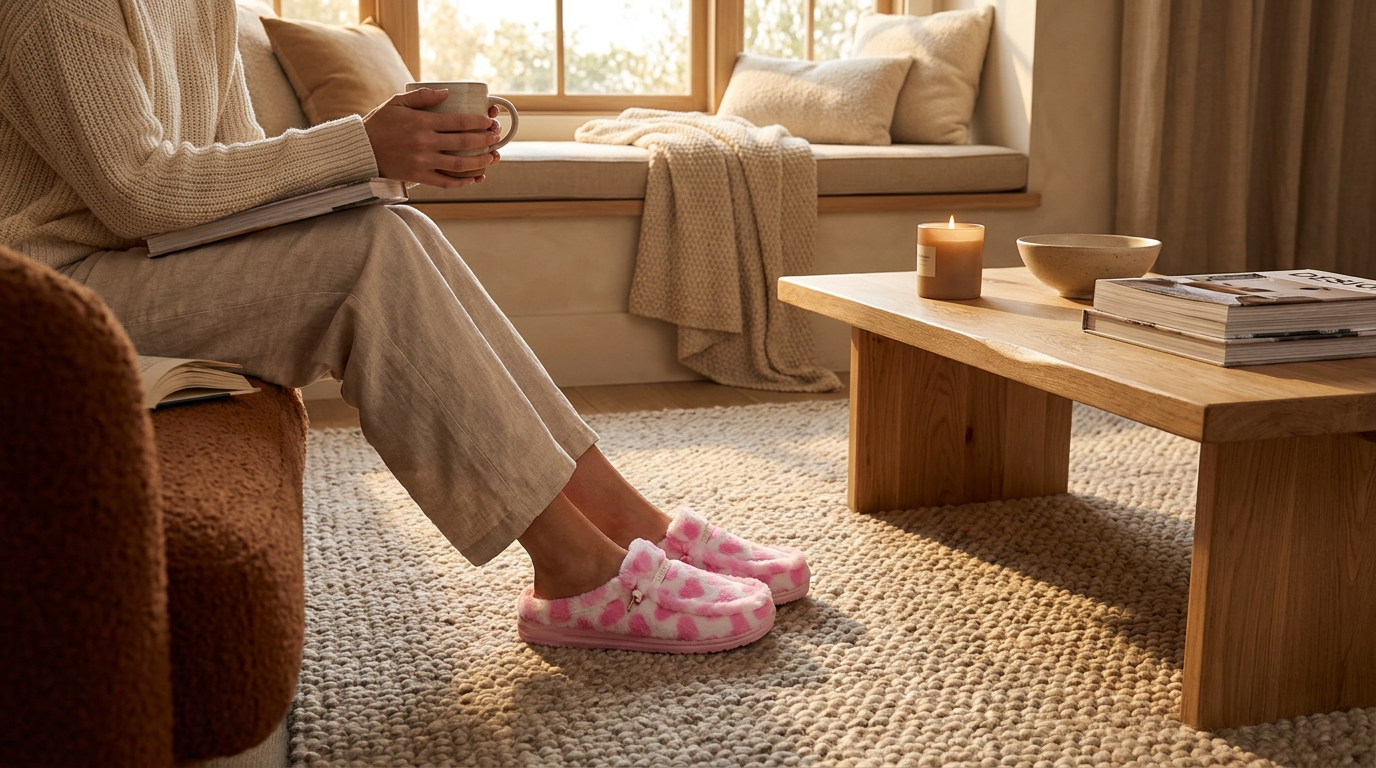
The Comfort Trap: Why Plush Slippers Fail Your Feet
 Maya ChenContributing Editor
The slipper industry's obsession with plush, sinking memory foam is a trap; it trades five minutes of perceived coziness for hours of actual foot fatigue. The marketing narrative equates 'soft' with 'comfortable,' but this ignores the biomechanical reality of walking on hard, unforgiving indoor surfaces. True all-day comfort isn't about sinking into a cloud; it's about providing your feet with the stable support they lose the moment you take off your outdoor shoes.
The Flaw in 'Pillowy' Foam
The conventional wisdom says that the plusher the slipper, the better. Here's the part nobody talks about: ultra-soft, low-density foam offers zero rebound. Every step you take on tile or hardwood floors forces the tiny stabilizing muscles in your feet and ankles to overwork, constantly fighting to find a solid base. This 'sinking' sensation provides no structural feedback to your body, which can encourage poor foot alignment. While the initial feeling is luxurious, the cumulative effect is muscular strain and fatigue—the exact opposite of what a slipper should provide. This is a key consideration in current lightweight footwear trends and Wendy House Slippers, where mass is reduced without sacrificing stability.From Foot Fatigue to Postural Strain
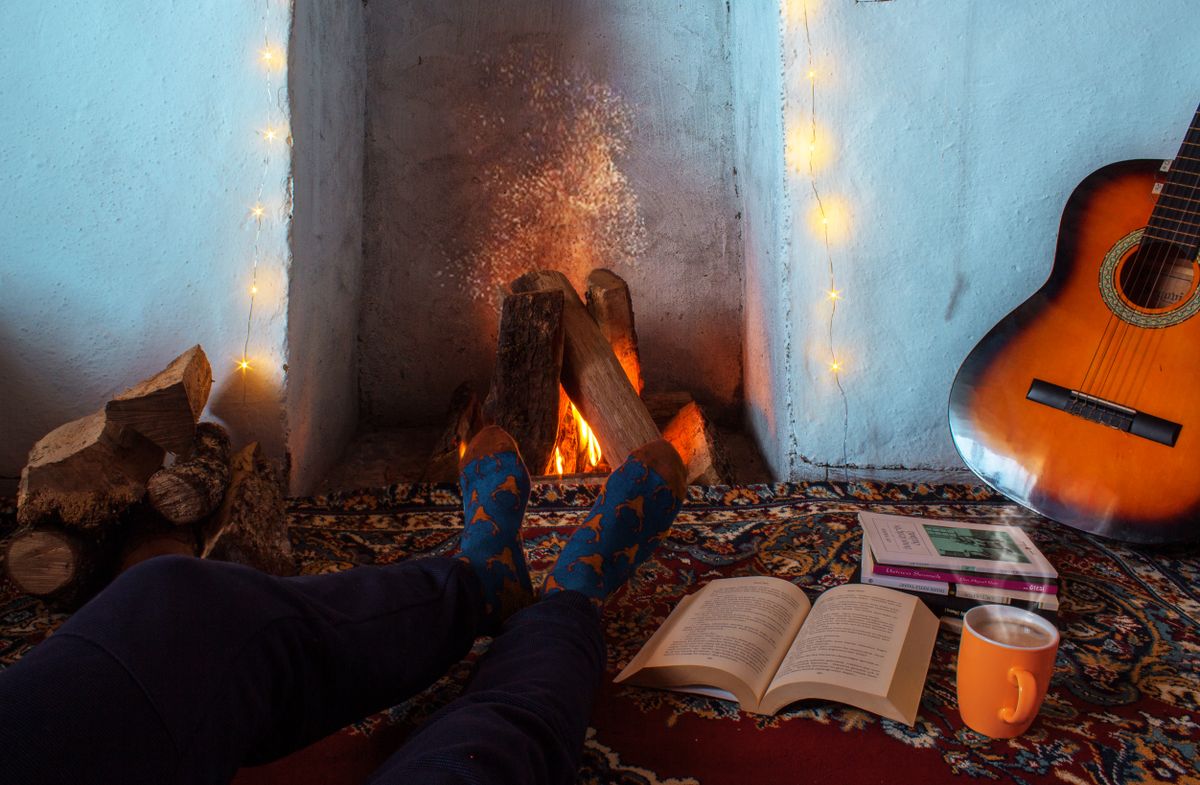
Photo by Ahmet Oral on Pexels
The lack of a supportive foundation doesn't just tire your feet; it can compromise your entire posture. Without a contoured footbed to guide your foot into a neutral position, your arches can flatten with each step. According to the American Podiatric Medical Association, proper footwear should provide support that complements the foot's natural shape, not collapse under it. When your base is unstable, your ankles, knees, and even your lower back must compensate, leading to misalignment that can persist throughout the day. The search for genuinely cozy indoor slippers for women must therefore look beyond surface-level softness.
The Case for a Structured Foundation
True, lasting comfort comes from a different engineering philosophy: a firm, contoured foundation that supports the arch, with soft cushioning applied as a top layer—not as the entire structure. A slipper built this way, like the Wendy House Slipper, acts as a portable, supportive surface for your home. The contoured base provides the structural integrity your feet need, while a fleece or sherpa lining delivers the thermal comfort and softness people expect. This architecture allows your foot muscles to relax, not overwork. Examining the core design features of modern house slippers reveals a clear shift toward this more biomechanically sound approach.I'll change my mind when a slipper made entirely of low-density foam can demonstrate positive energy return and maintain its arch support after 500 hours of wear. Until then, the evidence points to a structured foundation as the non-negotiable element for indoor wellness.
Why do my feet ache after wearing soft slippers?
Photo by Mynie Botha on Pexels
Foot ache after wearing overly soft slippers all day is often due to muscle fatigue. On hard indoor floors, plush, unstructured foam forces the small stabilizing muscles in your feet to constantly work to maintain balance and support. This lack of a firm foundation and rebound leads to strain, which you perceive as aching or soreness.
Are firm-soled slippers still considered cozy?
Yes. True coziness is sustainable comfort, not just an initial sensation of plushness. A slipper with a firm, contoured foundation provides essential support, while the 'cozy' feeling comes from the soft materials lining the interior, like fleece or faux fur. This combination delivers both the immediate warmth you want and the structural integrity your feet need for all-day wear without fatigue.