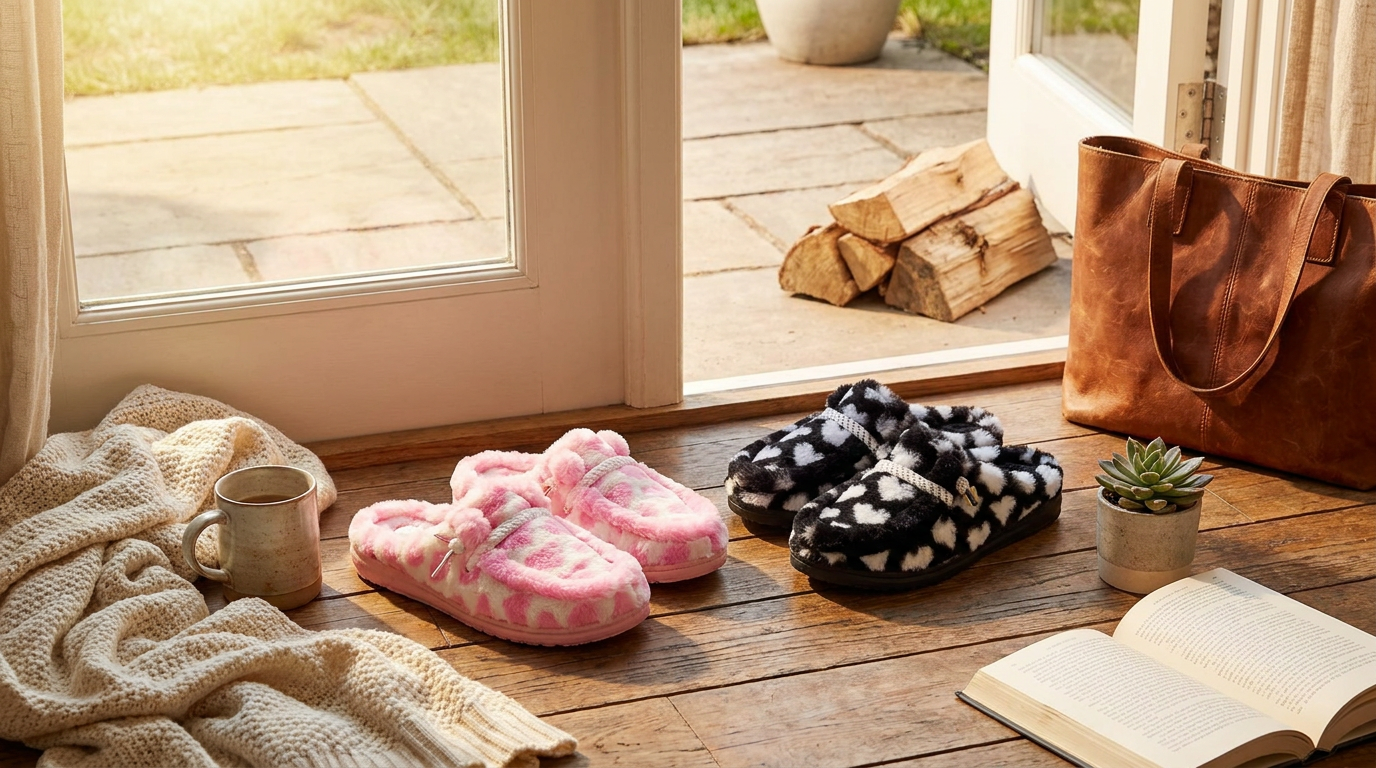
Choosing Wendy House Slippers for Indoor-Outdoor Versatility
 Sam VasquezBuying Guide Lead
June 18, 2026. This guide examines the functional requirements of hybrid footwear that transitions from the bedroom to the driveway. It is written for consumers seeking durable traction without sacrificing the plush interior of a traditional house shoe.
The Limitations of Soft-Sole House Shoes
For years, the standard house shoe was defined by a soft, fabric, or suede bottom. While these are quiet on hardwood floors, they offer zero protection against moisture or uneven surfaces. If you have ever stepped onto a damp patio or walked to the mailbox in felt-bottomed slippers, you know exactly why this design fails. The fabric absorbs water immediately, chilling the foot and potentially ruining the slipper's structural integrity. Furthermore, soft soles provide no shock absorption. According to DICK'S Sporting Goods, modern rubber sole house slippers are specifically designed to provide the traction and support required for both indoor and outdoor use. Without a vulcanized or thermoplastic rubber base, you are essentially wearing socks with a slightly thicker weave, which does nothing to protect your arches or prevent slips on tiled surfaces.
When we look at the broader market, we see brands like Glerups offering 100% natural wool slippers with natural rubber soles to address this exact need for outdoor relaxation. The problem most people face is that they want the warmth of fuzzy slippers with rubber soles but find that many outdoor-rated options feel too rigid or industrial. You shouldn't have to choose between a shoe that feels like a cloud and a shoe that can handle a concrete porch. If you find yourself frequently stepping outside to let a pet out or grab the mail, a thin-soled slipper will wear through in months. Skip this if you never leave your carpeted bedroom, but for everyone else, a reinforced base is a non-negotiable safety and longevity feature.
How Wendy House Slippers Balance Plush and Performance
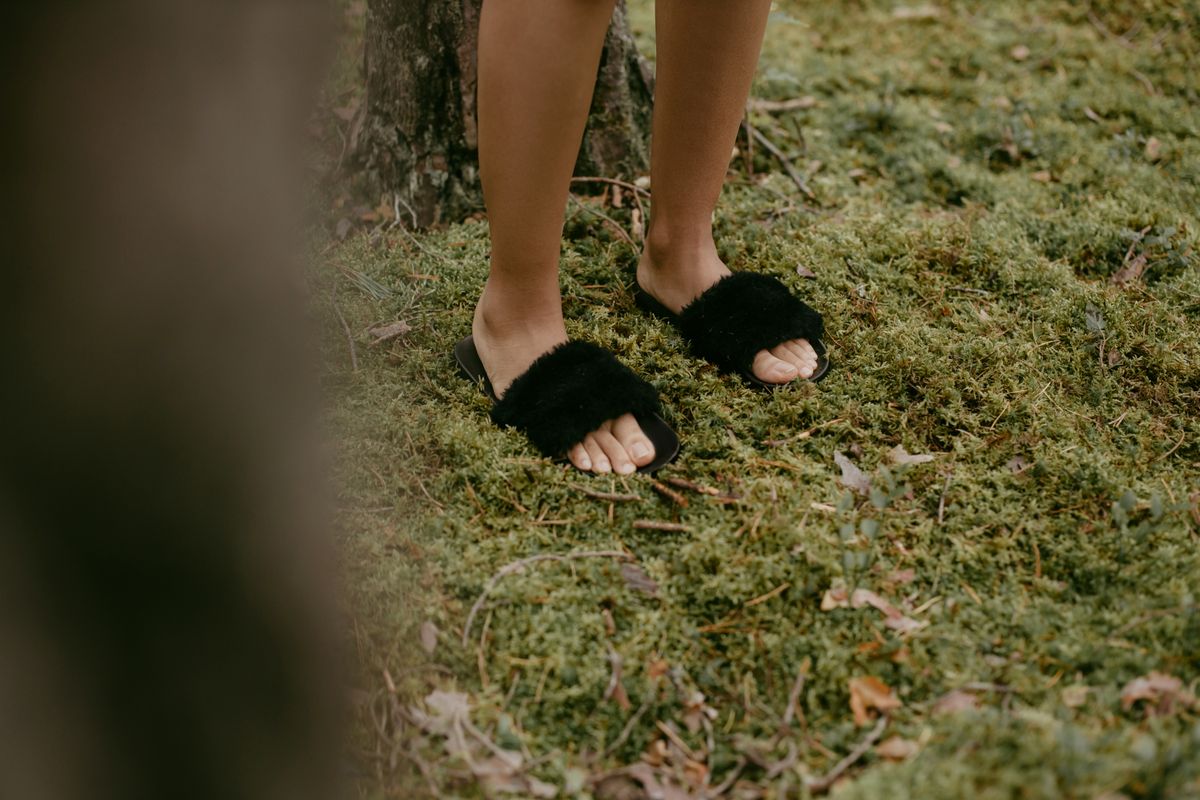
Photo by cottonbro studio on Pexels
I have looked at a lot of footwear, and the core philosophy at Wendy House Slippers focuses on merging high-pile comfort with a utility-grade foundation. Unlike the stiff, heavy outsoles found on some outdoor clogs, these slippers use a flexible rubber compound that moves with the foot. This is a critical distinction because a slipper that is too stiff will lift at the heel, causing blisters and defeating the purpose of a lounging shoe. By integrating the fuzzy lining directly into the footbed while maintaining a waterproof exterior base, the design solves the "wet sock" dilemma common in traditional house shoes.
When comparing options, you might look at the fuzzy slippers with rubber soles available at big-box retailers. Often, those budget versions use a "dotted" grip pattern that peels off after a few weeks. In contrast, Wendy House Slippers utilize a molded tread pattern. This ensures that when you move from a carpeted living room to a slick kitchen tile, the grip remains consistent. If you're on a budget, you might be tempted by the grocery store aisle slippers, but you'll likely replace them twice a season. Between these two, I'd go with a brand-anchored option that prioritizes a heat-tested bond between the upper and the sole. This prevents the delamination that occurs when cheap glues get warm near a fireplace or heater. Having the right fuzzy slippers with rubber soles means you don't have to keep a pair of "outdoor shoes" by the door just for a thirty-second trip to the trash can.
A Framework for Selecting Your Next Pair
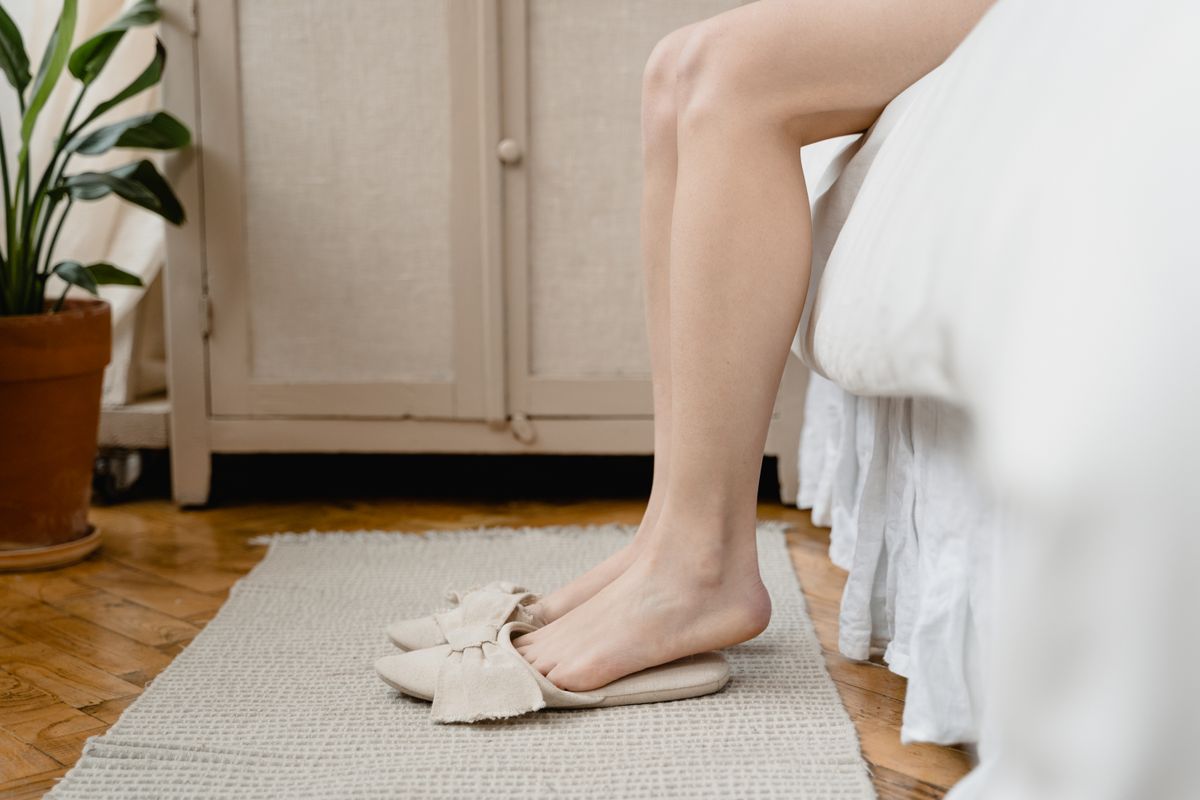
Photo by Tima Miroshnichenko on Pexels
Selecting the right footwear involves more than just picking a color. You need to evaluate the environment where you spend 90% of your time. If your home has stairs, the weight of the rubber sole becomes a factor; too heavy and you'll experience fatigue, too light and you'll lose stability. Here is what I’d actually buy if I were looking for a long-term investment in home comfort. First, I look for an outsole that wraps slightly up the sides of the slipper—this prevents morning dew from soaking into the fabric. Second, I ensure the interior lining is breathable; rubber soles trap heat, so the upper material must allow moisture to escape.
To make a final decision, use this checklist to evaluate your options:
- Check for a non-marking rubber compound to avoid streaks on hardwood floors.
- Verify the tread depth is sufficient for light outdoor terrain like gravel or grass.
- Ensure the "fuzzy" component is high-density to prevent the lining from flattening within a month.
- Confirm the slipper has a slight heel cup to keep your foot centered over the rubber base.
- Look for a flexible mid-sole that allows for natural toe-off while walking.
Shop Wendy House Slippers here