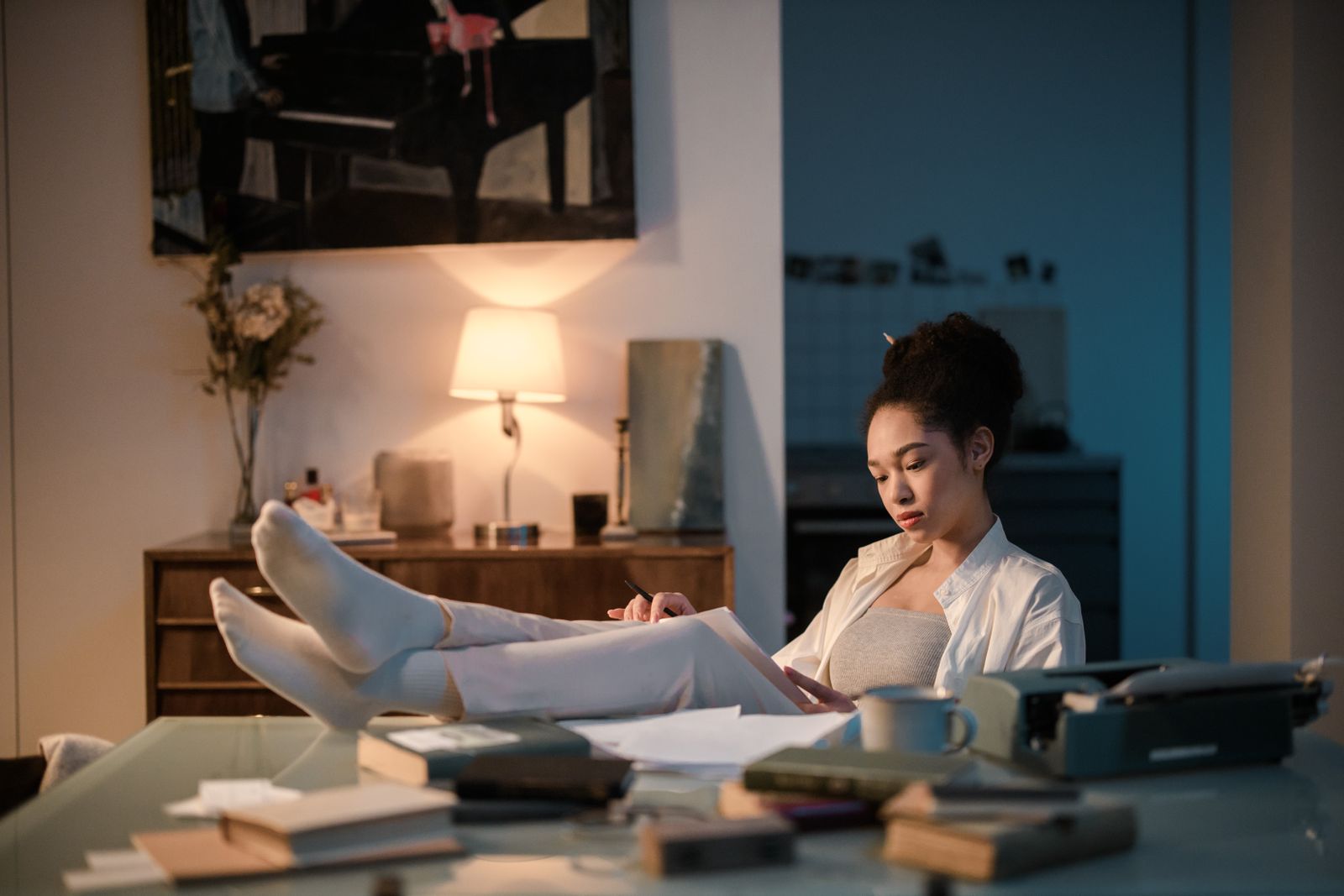
Work-From-Home Slippers: Choosing Lightweight House Shoes for a Desk Day
A work-from-home day asks something specific of indoor footwear: it has to be comfortable while you sit still for long stretches, then be immediately ready when you get up eleven times an hour. That combination — mostly stationary with frequent short bursts of walking — is different from lounging in the evening, and it points toward a lightweight, easy-on slip-on rather than anything structured or heavy.
This guide covers what actually changes when your home is also your workplace, and how to judge a pair against that pattern rather than against a generic comfort checklist.
What makes a desk day different from an evening at home?
Three things.
Your feet stay still, so they get cold. Sitting for ninety minutes at a stretch means much less movement than a normal evening at home, and stationary feet lose warmth quickly on a hard floor. Warmth from soft fabric matters more during a desk day than most people expect, and it matters at ten in the morning, not just at night.
You get up constantly and briefly. Coffee, the door, a package, a printer, lunch, another coffee. A pair you have to sit down and work your way into is a pair you'll eventually stop bothering with, and you'll end up on the floor barefoot instead. A comfortable slip-on design solves this quietly — the pair is on before you've finished standing up.
You wear them for eight or nine hours, not two. Total wear time on a WFH day is closer to a full workday in shoes than to an evening in slippers. Weight compounds over that many hours. Lightweight construction is not a marketing angle here; it is the difference between forgetting what's on your feet and noticing it by mid-afternoon.
What should you look for in a WFH pair?
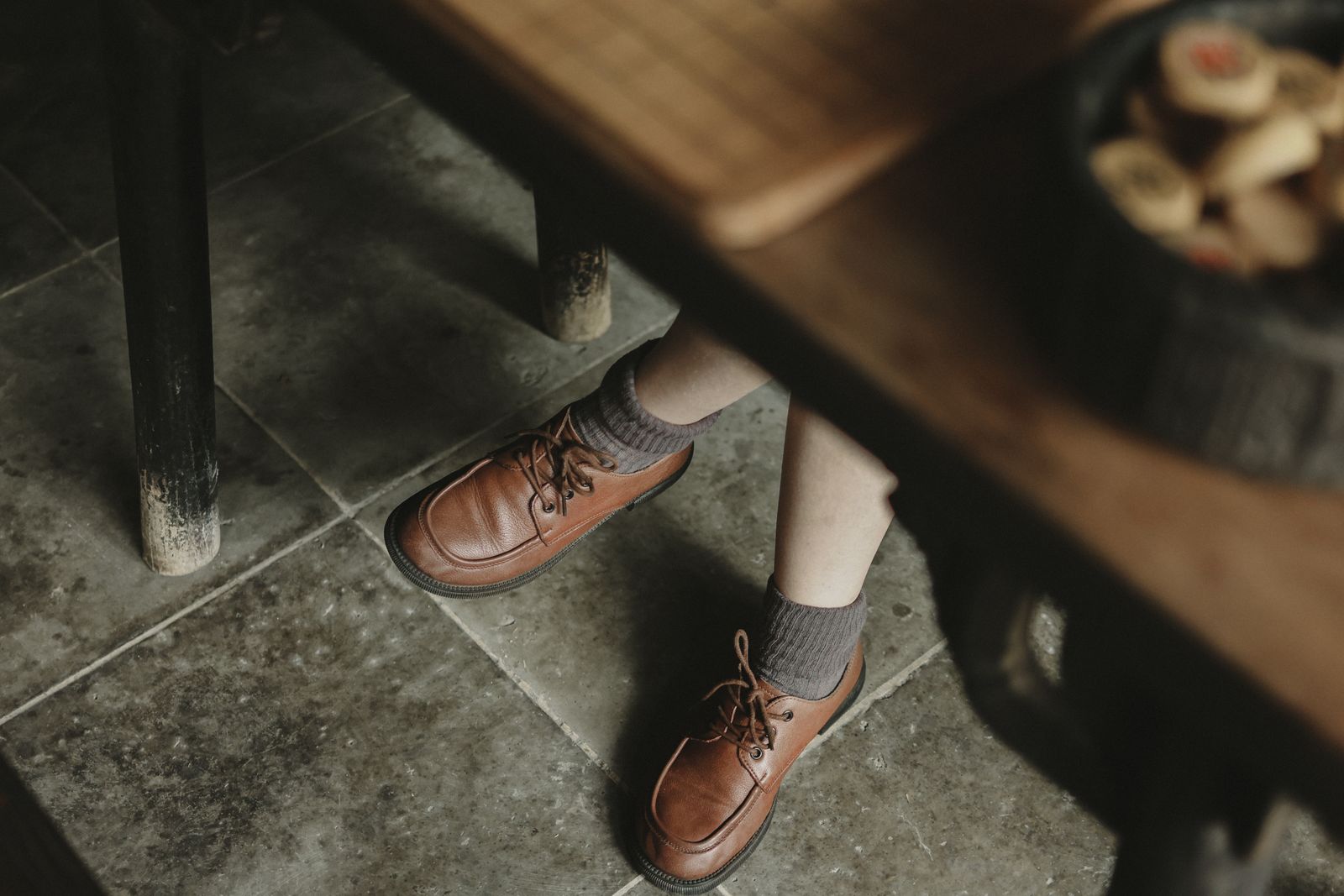
Photo by Usman AbdulrasheedGambo on Pexels
- Low weight. You are lifting each slipper thousands of times across a day of short trips. Less mass means less accumulated effort.
- True slip-on entry. No laces, no straps to fasten, no back you have to hook with a finger. You should be able to step in while standing and looking somewhere else.
- A soft plush interior. Warmth for the stationary hours, and a surface that feels pleasant against bare skin or a thin sock.
- A quiet sole. Hard floors amplify footsteps, which matters if you take calls or share the house with someone else working.
- Something you don't mind being seen in. Video calls happen. A pair with stylish, eye-catching details reads as deliberate rather than as something you found under the bed.
- Easy on and off at the door. You will step outside briefly. Being able to leave them at the threshold without a struggle keeps the floors cleaner.
- A shape that stays put when you're seated. Slippers that fall off every time you cross your ankles under the desk become a small, constant annoyance.
How do the main indoor footwear options compare for a desk day?
| Option | All-day weight | On/off speed | Warmth while seated | Presentable on camera | |---|---|---|---|---| | Lightweight plush slip-on | Very low | Immediate | Good | Yes | | Heavy shearling or wool boot slipper | High | Slow | Very high | Usually not | | Backless scuff or mule | Very low | Immediate | Low | Sometimes | | Thick socks alone | None | Immediate | Moderate | Neutral | | Indoor sneakers | Moderate to high | Slow | Low | Yes | | Barefoot | None | None | Poor on hard floors | Neutral |
The lightweight plush slip-on wins on the two axes a desk day loads hardest: it disappears over nine hours, and it costs you nothing to put on. Heavy boot-style slippers are warmer, but the weight tells over a full workday and the stack height makes them awkward under a desk. Backless styles are fast but tend to slide off during seated hours and get left behind on stairs. Socks alone are fine until you're standing on tile in the kitchen.
If you want the longer comparison of the lightweight and heavyweight approaches on their own terms, we cover it in lightweight slippers versus heavy house shoes.
How do you set up an indoor footwear routine that survives a real week?
Where do Wendy House Slippers fit?
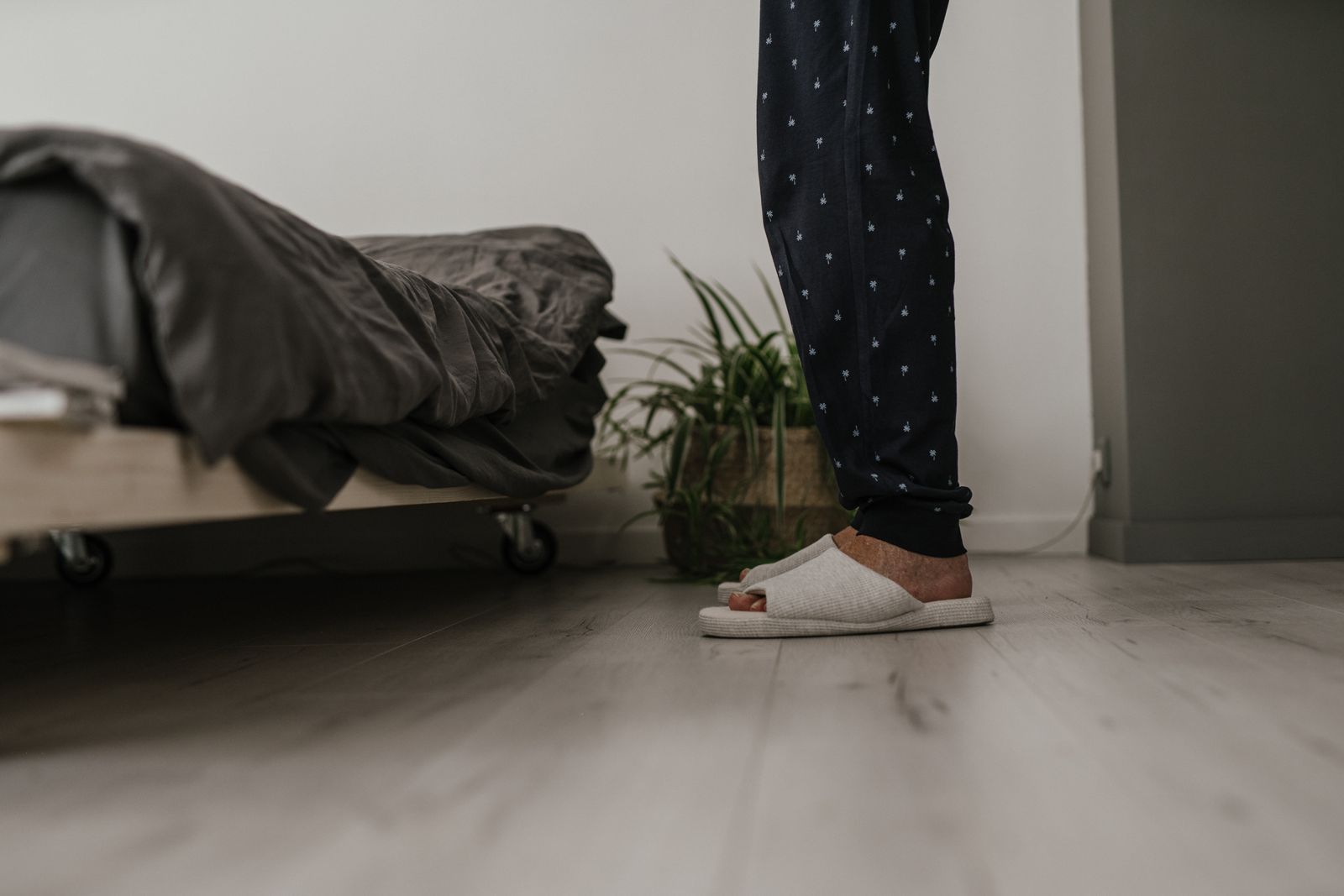
Photo by SHVETS production on Pexels
Wendy House Slippers are built on soft plush fabric and lightweight construction with a comfortable slip-on design — the three properties that map most directly onto a desk day. The plush handles the stationary hours, the low weight handles the length of the day, and the slip-on entry handles the constant getting up. The stylish details mean the pair does not look out of place if a call goes to video.
One thing worth setting expectations on: a pair worn through a full workday is doing far more work than a pair worn for two hours in the evening, and it will show wear sooner. That is not a fault in the slippers, it's arithmetic. The fix is the routine rather than the purchase — airing them nightly and brushing the pile weekly, and adding a second pair to rotate if you're at a desk five days a week.
They are indoor footwear, so treat the outdoor question sensibly: a brief step to the mailbox is one thing, a walk around the block is another. For a fuller look at how a lightweight pair handles moving around the house all day, see how a lightweight pair supports daily movement at home.
Frequently asked questions
Do I really need slippers if I work from home in a warm house? Warm air and a cold floor are different things. Tile, laminate, and hardwood pull heat away from a stationary foot regardless of the thermostat, and a desk keeps your feet stationary for hours. That is the case for slippers even in summer.
Are slippers a problem on video calls? Almost never visible, and a tidy pair with clean details is unremarkable even when they are. The more common issue is sound, not sight: a hard-soled slipper on a wood floor is loud on an open microphone.
How many hours a day is too many for one pair? There is no fixed limit, but a pair worn eight or nine hours daily absorbs more moisture and compresses faster than one worn two hours in the evening. The practical fix is airing them out every night and brushing the pile weekly, or rotating two pairs.
Should WFH slippers be a size different from regular slippers? Go by your normal fit. The one thing worth accounting for is whether you'll wear socks with them most days — if so, choose with socks on, since a pair that's snug over a sock will feel tight after a few hours at a desk.
A practical next step
Track one detail tomorrow: count how many times you stand up between the start of work and lunch. That number is the real test of whether your current indoor footwear fits your day, because every one of those is an on-and-off. If the count is high and your pair is slow to get into, that's your answer. For a broader checklist of what to look for, our rundown of the features that matter in daily indoor slippers is a good companion to this one.
Cover photo by Ron Lach on Pexels.