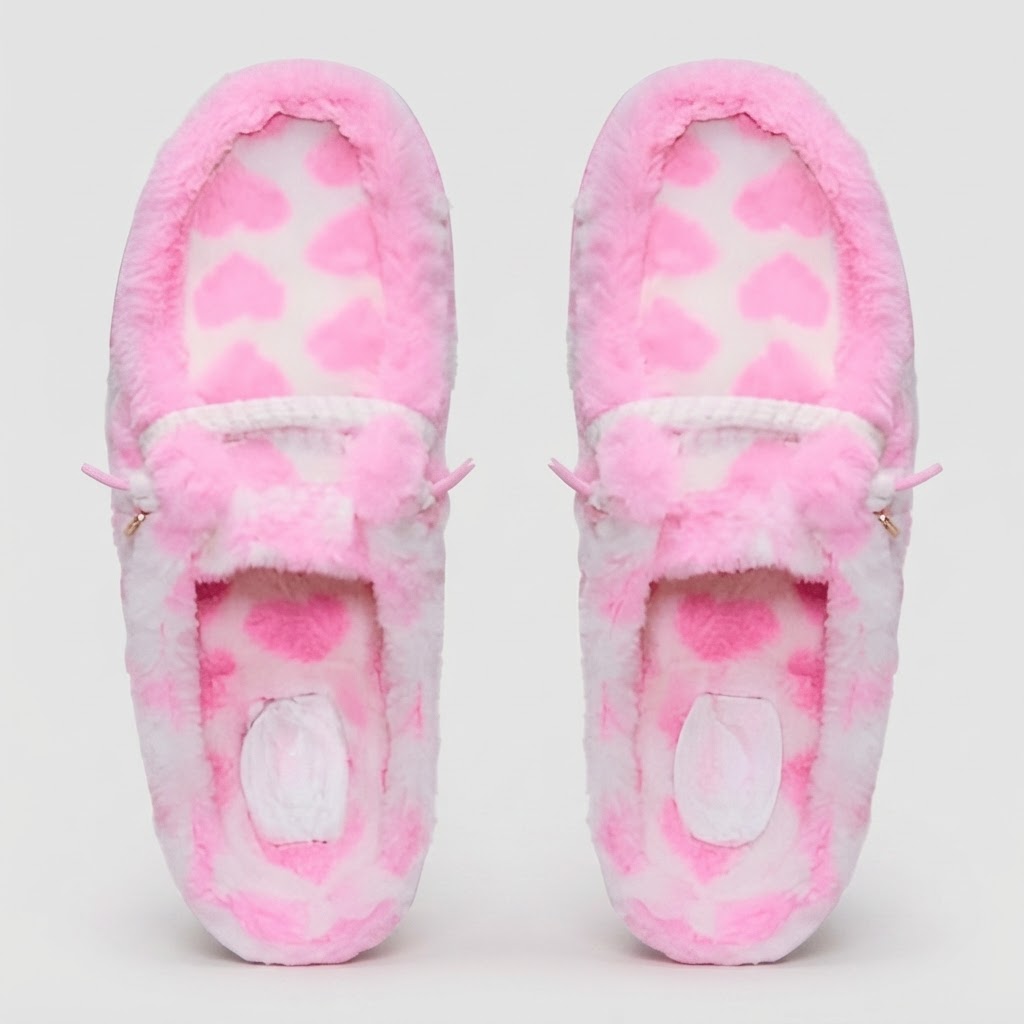
Lightweight EVA vs. Rubber Outsoles: Which Is Best for Slippers?
Choosing the right sole material is key when selecting indoor slippers. While traditional rubber outsoles are common in outdoor shoes, lightweight EVA (Ethylene-Vinyl Acetate) has become the gold standard for indoor lounging footwear like Wendy House Slippers. For a complete look at footwear design, explore [the main guide].
Weight and Flexibility
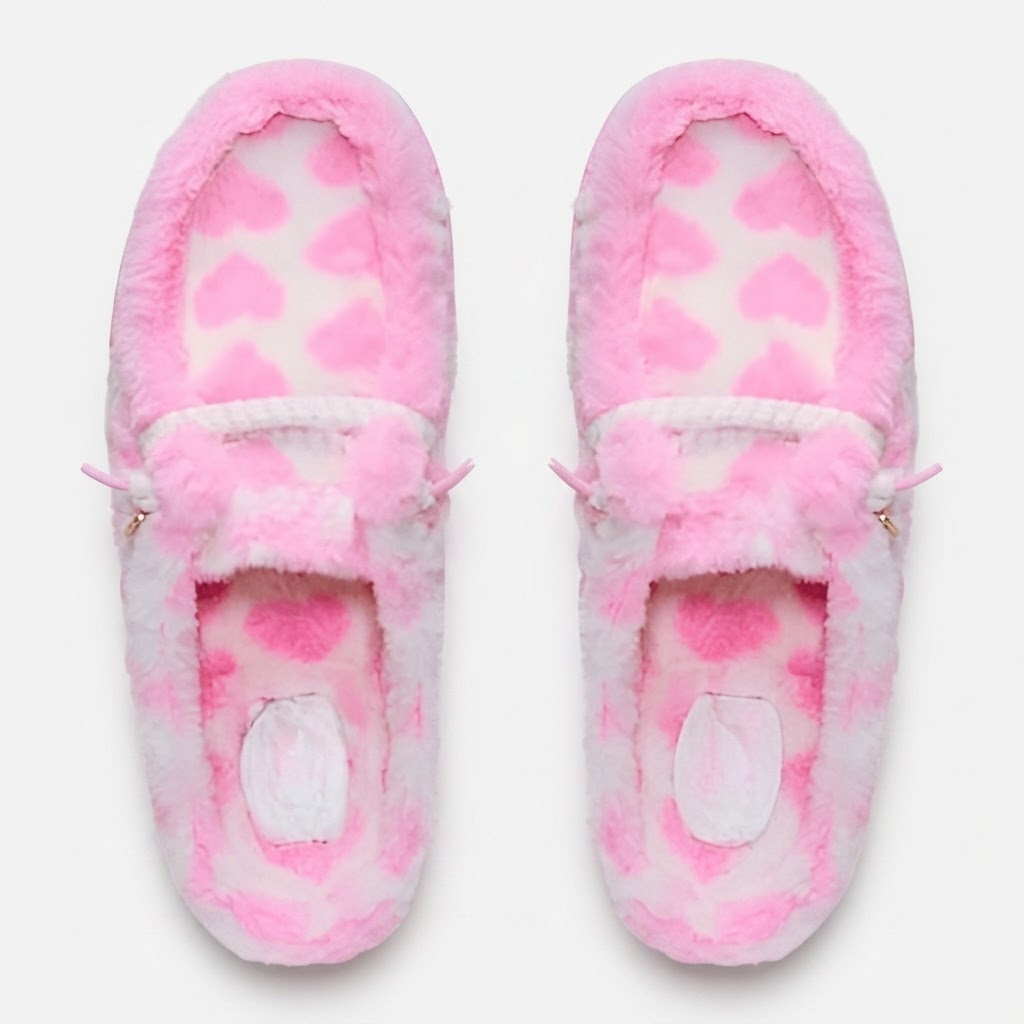
Rubber outsoles tend to be dense and heavy, which can make house slippers feel cumbersome during relaxed lounging. In contrast, an outsole made from lightweight EVA provides durable support while maintaining a minimal, barely-there feel. This lightweight construction allows for natural foot movement without dragging down your feet. Before comparing the two, it is worth knowing what EVA actually is, because the acronym gets used without explanation. Ethylene-vinyl acetate is a copolymer that is foamed during manufacture, trapping gas in sealed cells throughout the material. Those cells are what make it light, what make it springy, and what make it behave completely differently from a solid rubber sole even at the same thickness.
The weight difference comes straight from the material's structure. EVA is foamed, so most of its volume is sealed air pockets rather than solid material, and it lands somewhere in the region of a third of the density of solid rubber. Put that in a sole and you have removed most of the weight while keeping the thickness that does the cushioning.
Flexibility follows from the same property. A foamed sole bends with the natural roll of the foot from heel to toe, so the sole follows your stride instead of fighting it. Solid rubber resists that bend, which is exactly what you want in a hiking boot on uneven ground and exactly what you do not want on a flat kitchen floor.
Indoor Floor Protection
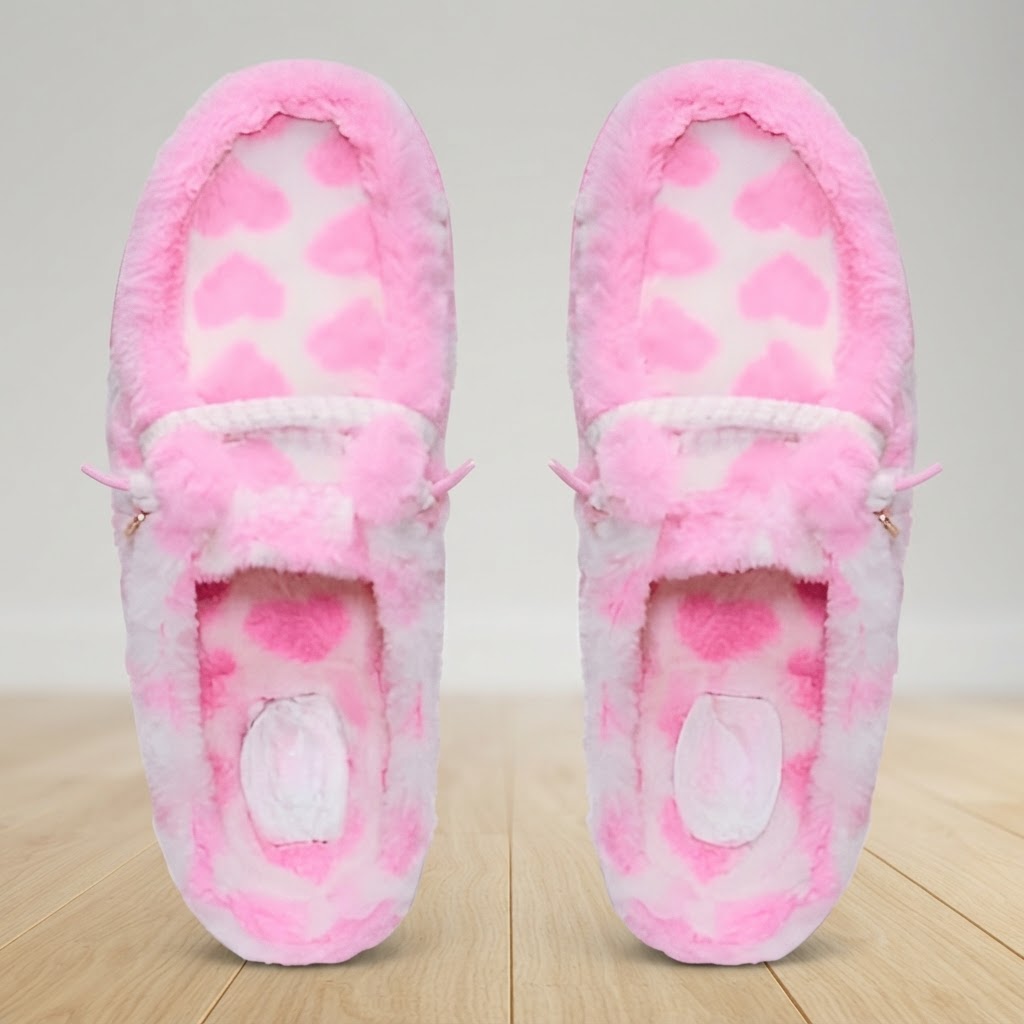
Heavy rubber soles can leave scuffs on hardwood floors or feel overly rigid on tile. EVA soles offer soft, springy flexibility that buffers each step softly. This makes EVA-soled slippers ideal for gliding quietly around your living spaces. Rubber's grip on smooth indoor surfaces is what causes the scuffing. Grip is friction, and friction between a hard compound and a sealed floor leaves marks, which is the same reason gym floors ban black-soled shoes. A softer foam deforms against the surface rather than dragging across it, so it transfers far less material to the floor.
Noise is the other difference, and it is the one people notice at night. A rubber sole makes a distinct tap on tile or laminate; foam absorbs most of that impact before it becomes sound. In a flat with neighbours below, or in a house where someone is asleep upstairs, that is not a small thing.
Where rubber genuinely wins is abrasion resistance on rough ground. Foam wears down faster on concrete, gravel, or a garden path, which is why an EVA-soled slipper should be treated as indoor footwear and not walked outside regularly.
The Verdict for Indoor Lounging
For dedicated indoor wear, EVA outsoles clearly outshine heavy rubber. Combined with features like soft plush fabric and a comfortable slip-on design, EVA outsoles deliver the perfect balance of flexibility, floor safety, and easy comfort.Read the full guide: The Ultimate Guide to Indoor Footwear: Choosing the Best House Slippers for Everyday Comfort
There is one caveat worth setting against that verdict, and it is about grip rather than comfort. Foam soles vary in traction, and a smooth foam sole on a wet bathroom tile or a polished wooden stair is genuinely slippery. If you have stairs at home, or anyone in the household is unsteady on their feet, check the sole for a textured or grooved tread pattern before relying on a pair for whole-house wear, and be deliberate on wet floors regardless of what you are wearing.
Foam also takes a compression set over time. After a year or so of daily wear the sole under the heel will have flattened and no longer springs back the way it did when new. That is normal wear rather than a fault, but it does mean a slipper is a consumable item: when the cushioning under the heel has gone flat, the pair has finished its useful life even if the upper still looks fine.