Bring Back the Cloud: How to Restore and Fluff Matted Slipper Fabric
Flattened plush is usually recoverable. The fibers on a matted slipper have rarely worn away — they have been pressed flat in one direction and stuck to each other by warmth, moisture, and skin oil. A gentle clean, a complete dry, and a few minutes of brushing will lift most of that pile back up.
Why does plush slipper fabric flatten in the first place?
Plush is a pile fabric: thousands of short, soft fibers standing upright out of a knitted or woven base. That upright pile is the entire source of the cloud-like feel, and three ordinary things knock it down.
Pressure is the obvious one. Every step compresses the pile under the heel and the ball of the foot, which is why those two zones mat first while the sides still look new. Moisture is the quieter cause. Feet give off water vapor all day, damp fibers bend far more easily than dry ones, and a bent fiber that dries in place stays bent. Skin oil and household dust are the third factor: they coat the fibers so each one clings to its neighbors instead of springing apart.
None of that removes material. Unless the pile has been rubbed down far enough that you can see the base fabric through it, the softness is still there — it is simply lying down. Every technique below is about releasing fibers from one another so they can stand up again.
Can matted slippers really be restored, or is it too late?
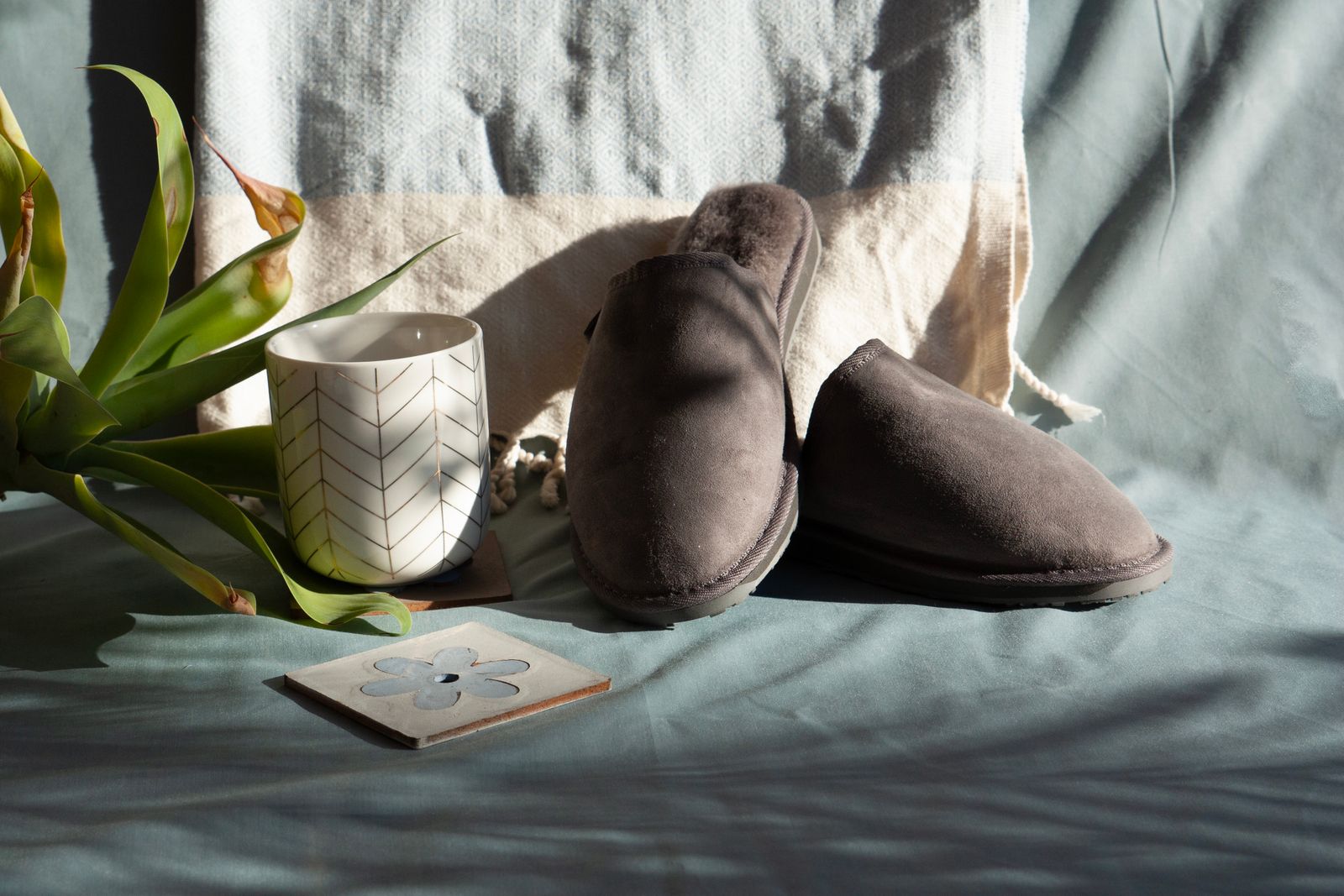
Photo by Karen Laårk Boshoff on Pexels
Check with a fingernail. Scratch lightly against the flattened area, the way you would rough up velvet. If short fibers lift and the patch looks fuzzier, the pile is intact and fully recoverable. If the area stays smooth and slightly shiny with a visible woven grid underneath, that spot has worn thin, and no amount of brushing will rebuild it — though the rest of the slipper will still respond well.
| What you see | Most likely cause | What to do | Realistic result | |---|---|---|---| | Dull, flat patch at heel and ball | Compression from walking | Clean, dry fully, then brush | Close to original loft | | Stiff, clumped fibers | Oil and dust binding the pile | Gentle wash, then brush | Very good | | Crunchy texture after a previous wash | Detergent residue left in the pile | Extra rinse, dry, brush | Very good | | Shiny surface with base fabric showing | Fiber has abraded away | Nothing restores that spot | No change | | Matting only on the inside lining | Trapped moisture and lint | Dry thoroughly, vacuum, brush | Good |
The step-by-step method to fluff matted slippers
Which tools work, and which quietly cause damage
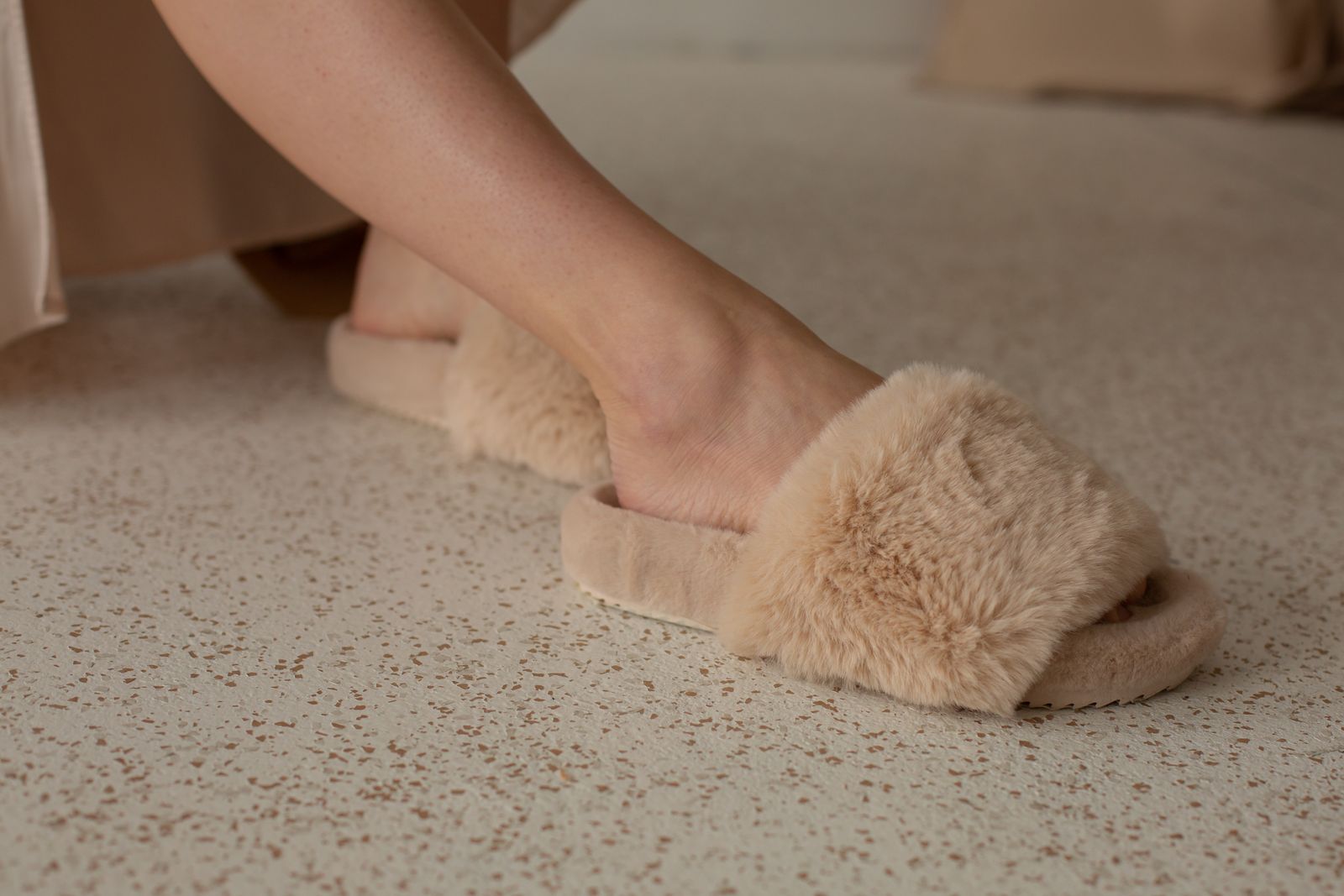
Photo by KATRIN BOLOVTSOVA on Pexels
A soft-bristle brush is the single most useful item. A clean, unused pet slicker brush works well on thicker pile because the fine wire tips reach the base without pulling; a nylon garment brush or a soft toothbrush is enough for lighter matting. A vacuum with an upholstery nozzle on low suction is excellent for lifting embedded lint from the footbed lining, where a brush cannot reach comfortably.
What to keep away from plush: stiff wire brushes that snag and pull fibers out, a hot iron pressed flat onto the surface, a hot dryer cycle, and any solvent-based spot cleaner. Also resist over-washing. Each wash cycle loosens a small amount of fiber, so a slipper washed every week will thin faster than one washed monthly and brushed regularly in between. If you want the fuller cleaning routine, see how to wash soft house slippers without damaging plush fabric.
How to keep the fluff once you have it back
Restoration is easier than prevention, but prevention lasts longer. A few habits make a real difference:
- Brush for thirty seconds a week. A quick pass with a soft brush prevents matting from ever setting. This is the highest-return habit on the list.
- Air them out between wears. Set slippers somewhere open rather than in a closed closet or under the bed so trapped moisture can leave the pile.
- Rotate if you wear slippers all day. Alternating between two pairs gives each one a full day to dry out completely.
- Keep feet dry going in. Stepping in with damp feet after a shower is the fastest way to flatten a footbed.
- Store them flat, not squashed. Weight on top of a stored slipper sets a crease exactly where you do not want one.
Frequently asked questions
How long does it take to fluff matted slippers? The active work is about ten minutes of brushing, split before and after drying. The drying itself is the slow part and can take a full day for thick plush. Plan on doing this overnight rather than an hour before you need them.
Does a dryer fluff plush slippers or ruin them? Heat is the risk, not tumbling. A no-heat or air-only cycle with a couple of clean dryer balls can help lift pile, but any warm or hot setting can fuse synthetic fibers into a permanently matted texture. Air drying with brushing gives a better result with no risk.
Will a fabric shaver help matted slippers? Only for pilling, not matting. A shaver removes the small bobbles that form on the surface, which makes a slipper look tidier, but it takes fiber off rather than lifting it, so it does nothing for flattened pile and slightly thins it. Brush first, and shave only if pills remain.
Why do the slippers feel crunchy instead of soft after washing? That is almost always detergent residue or heat damage. Rerinse in clean water with no detergent at all, press out the water, air dry with airflow, and brush while barely damp. If the texture stays stiff after that, the fibers were heat-set and the change is permanent.
The practical next step is small: pick up a soft brush, spend thirty seconds on each slipper tonight, and see how much lifts before you commit to a full wash. Many pairs that look worn out are one brushing away from feeling new again.
Cover photo by Karen Laårk Boshoff on Pexels.