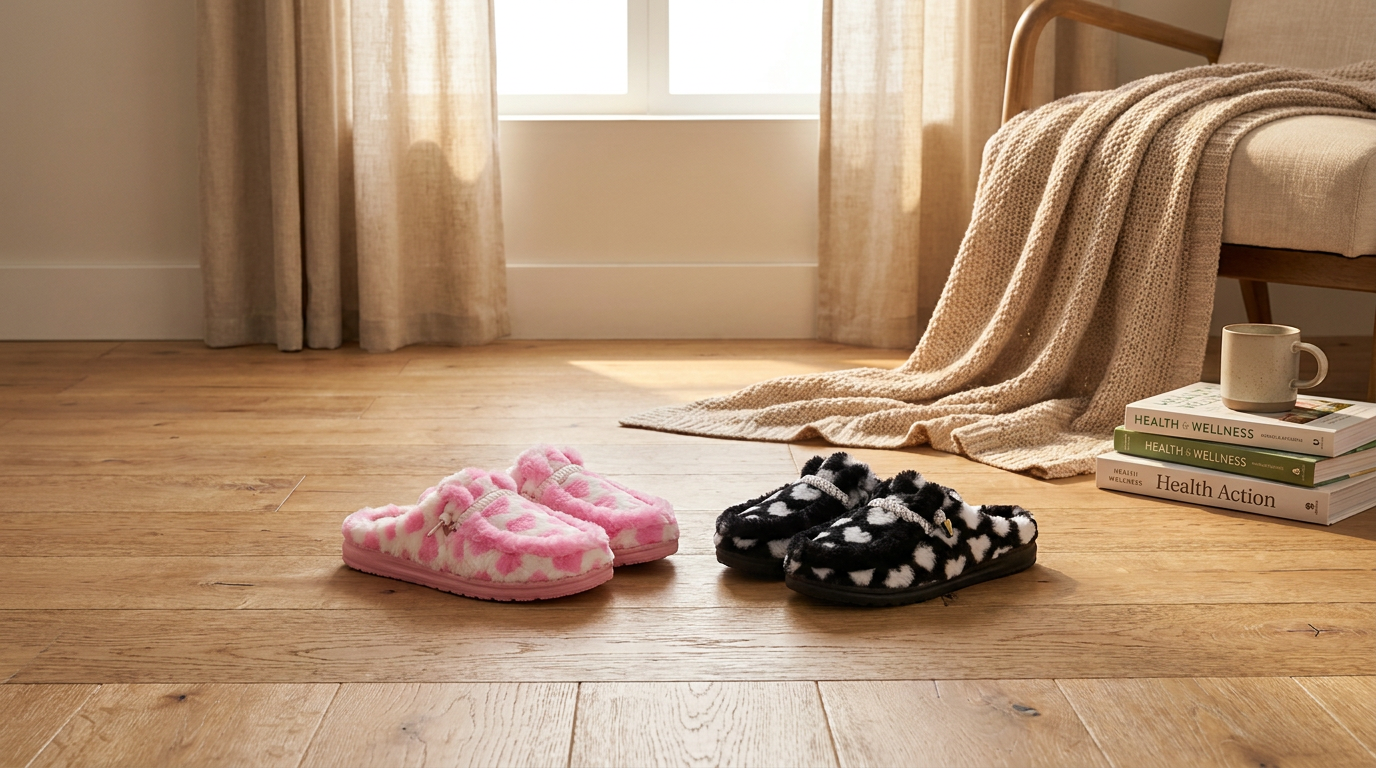
Evaluating Wendy House Slippers for Orthopedic Needs
 Priya RamanSenior Analyst
June 8, 2026 — The shift toward prioritizing long-term musculoskeletal health at home has placed Wendy House Slippers at the center of the discussion regarding orthopedic house slippers for women.
Modern orthopedic design focuses on more than just immediate comfort; it addresses the structural alignment of the lower limbs. According to Footlogics USA, effective orthopedic slippers must utilize a contoured, orthotic-style footbed that supports the arches, cushions the heel cup, and stabilizes the ankle to prevent common strain. For women transitioning from high-impact activities or professional environments to home life, the selection of indoor footwear becomes a critical component of a recovery-oriented lifestyle. Understanding how Wendy House Slippers fit into this landscape requires a look at the specific mechanical requirements of the female foot.
The Three-Axis Support Framework
When evaluating orthopedic house slippers for women, we can analyze the options through a three-axis framework: longitudinal arch stability, heel cup depth, and sole rigidity. Two axes matter here most: the relationship between cushioning and structural resistance. While many standard slippers offer plush foam that compresses entirely under weight, a true orthopedic alternative like those in the Wendy House Slippers collection maintains its profile to ensure the foot does not over-pronate. The decision rule for selecting the right pair involves matching the height of the built-in arch support to your specific foot type. High arches require a firmer bridge, whereas neutral arches benefit from a flexible but resilient contour.
Once you see it this way, the distinction between a fashion slipper and a functional orthopedic tool becomes clear. Wendy House Slippers are engineered to provide the necessary counter-pressure against the plantar fascia, which is essential for those seeking arch support slippers for plantar fasciitis. By stabilizing the ankle, these slippers reduce the lateral sway that often leads to knee and hip discomfort. This is particularly relevant when comparing specialized orthopedic house slippers for women against mass-market alternatives. The integration of a non-slip rubber outsole further ensures that the stability provided by the footbed is translated to the ground, preventing the micro-slips that can aggravate existing joint inflammation. For those already managing chronic conditions, choosing Wendy House Slippers for Plantar Fasciitis Relief ensures that every step taken at home contributes to a broader pain management strategy rather than detracting from it.
Expert tip: To test the orthopedic integrity of a slipper, try the longitudinal flex test; the sole should resist bending in the middle of the arch and only flex at the toe box to mimic natural gait mechanics.
Selecting the right indoor footwear is a proactive step in maintaining mobility and reducing daily fatigue through proper alignment.
Sources
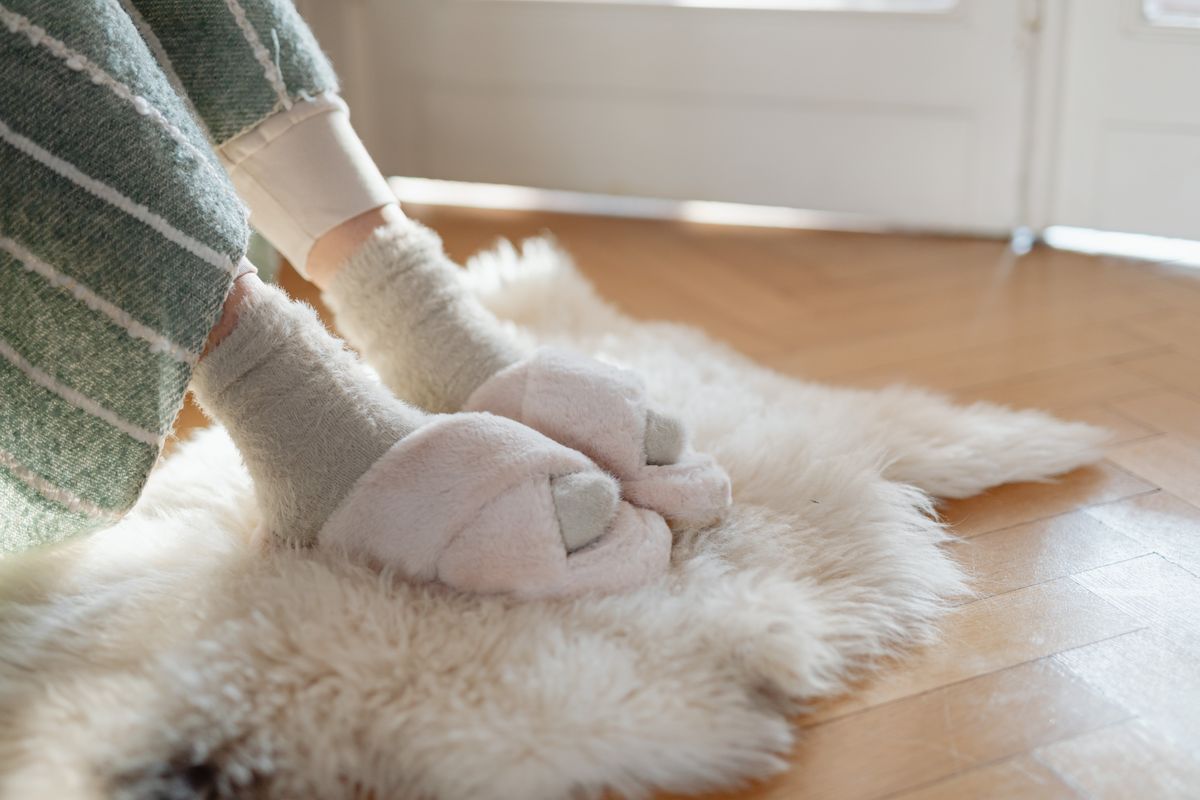
Photo by https://kaboompics.com/ on Pexels
- Women's House Slippers & Shoes with Arch Support - Orthofeet
- Orthotic Arch Support Slippers | Footlogics USA
- Women's Orthopedic Slippers - Anodyne® Shoes