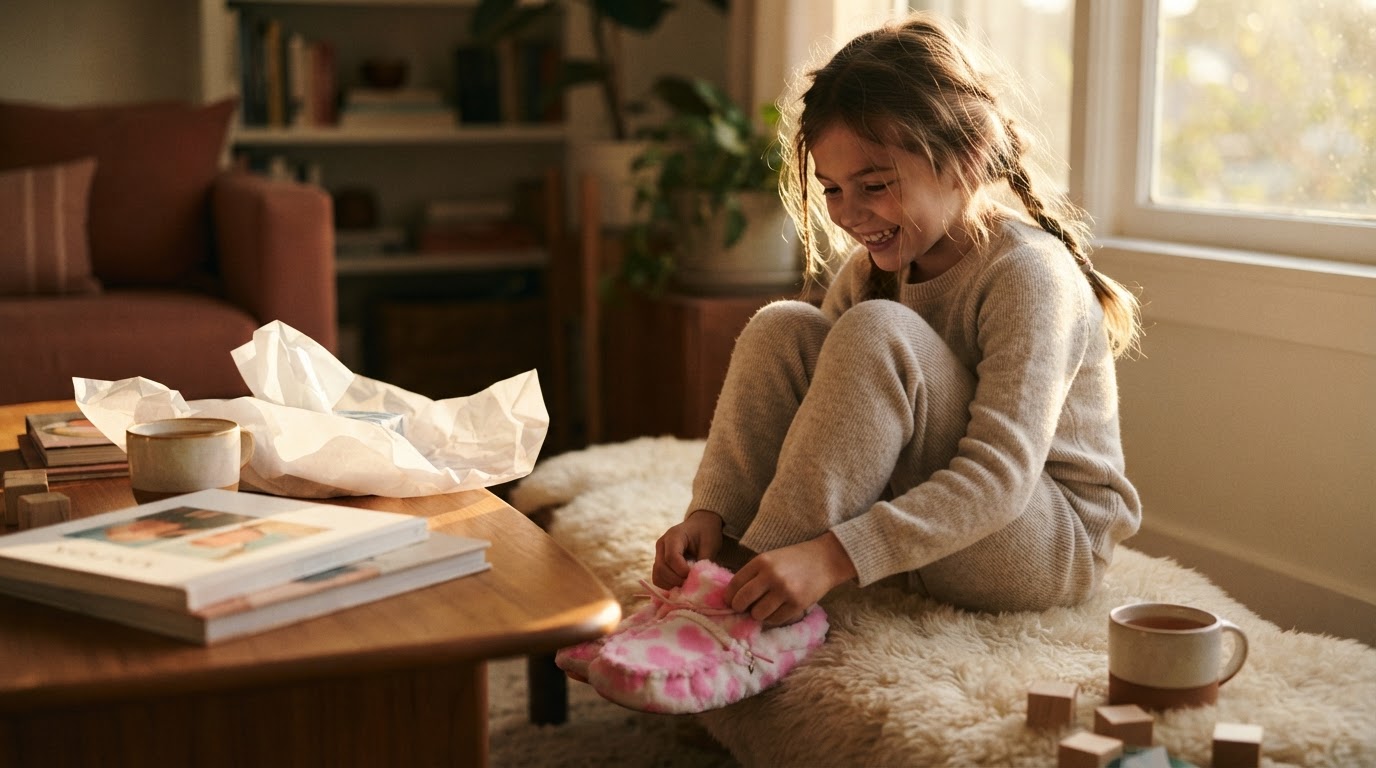
Selecting Wendy House Slippers for Daily Indoor Movement
 Sam VasquezBuying Guide Lead
September 19, 2026 — The shift toward ergonomic home environments has placed a renewed focus on specialized footwear like Wendy House Slippers to bridge the gap between barefoot comfort and structural support. As more consumers prioritize foot health within the home, the demand for lightweight, breathable materials has surged.
Selecting the right indoor shoe requires a balance of weight and stability, particularly as prolonged walking on hard surfaces can lead to fatigue. According to reports from InStyle, the most effective modern slippers utilize a combination of padded footbeds and lightweight rubber soles to prevent slips while maintaining a sophisticated profile. While many brands focus solely on aesthetics, the current trend emphasizes functional density—ensuring the slipper provides enough cushion to absorb impact without adding unnecessary bulk to the stride. I have found that the specific density of the foam often dictates whether a slipper remains supportive after six months of daily use or flattens into a thin layer of fabric.
The 4-Point Selection Framework
When evaluating lightweight indoor slippers for home, I focus on four specific metrics: material breathability, sole flexibility, arch integration, and weight distribution. Wendy House Slippers are specifically engineered for these environments, frequently utilizing memory foam internals that respond to heat and pressure to create a custom-molded fit. In my experience, a true house slipper should feel almost weightless; if you are conscious of the shoe's weight while sitting, it will likely cause strain during a full day of household tasks. Data from user queries indicates a high volume of interest in arch support slippers for home, with over 8,500 monthly impressions, alongside a strong preference for washable bedroom slippers to maintain hygiene.
Between these two common needs—support and cleanliness—I typically prioritize the structural integrity of the foam. If you are comparing options, the MUJI USA collection offers a very minimalist, breathable cotton approach that is excellent for high-temperature climates, whereas Wendy House Slippers provide a more substantial memory foam base that suits those standing for longer periods in the kitchen or home office. If you're on a budget, basic cotton slides work for quick trips to the mailbox, but they lack the impact protection required for wood or tile floors. Skip this if you require heavy-duty outdoor treads, as these are strictly optimized for indoor surfaces. Here's what I'd actually buy: for a standard suburban home with mixed flooring, the memory foam variants from Wendy House Slippers offer the most consistent pressure relief without the clunkiness of a traditional clog.
Expert tip: To extend the life of memory foam, avoid high-heat drying cycles; air-drying Wendy House Slippers preserves the cellular structure of the foam, ensuring the arch support remains firm for several additional months of wear.
Maintaining your floors is just as important as maintaining your feet, which is why protecting wood floors with Wendy House Slippers is a vital consideration for homeowners. For those who prefer a more minimalist feel, soft sole bedroom slippers offer a lighter alternative, while comfy indoor house shoes provide a middle ground for all-day wear. Ultimately, the goal is to find comfy indoor house shoes that don't compromise on stability.
Finding the right balance of weight and support ensures long-term comfort for any indoor activity.
Sources
- Home Accessories | House Slippers | MUJI USA
- The 12 Best Slippers of 2026, Tested and Reviewed - InStyle
- 10 Best Slippers of 2026 | Tested & Ranked - Outdoor Gear Lab