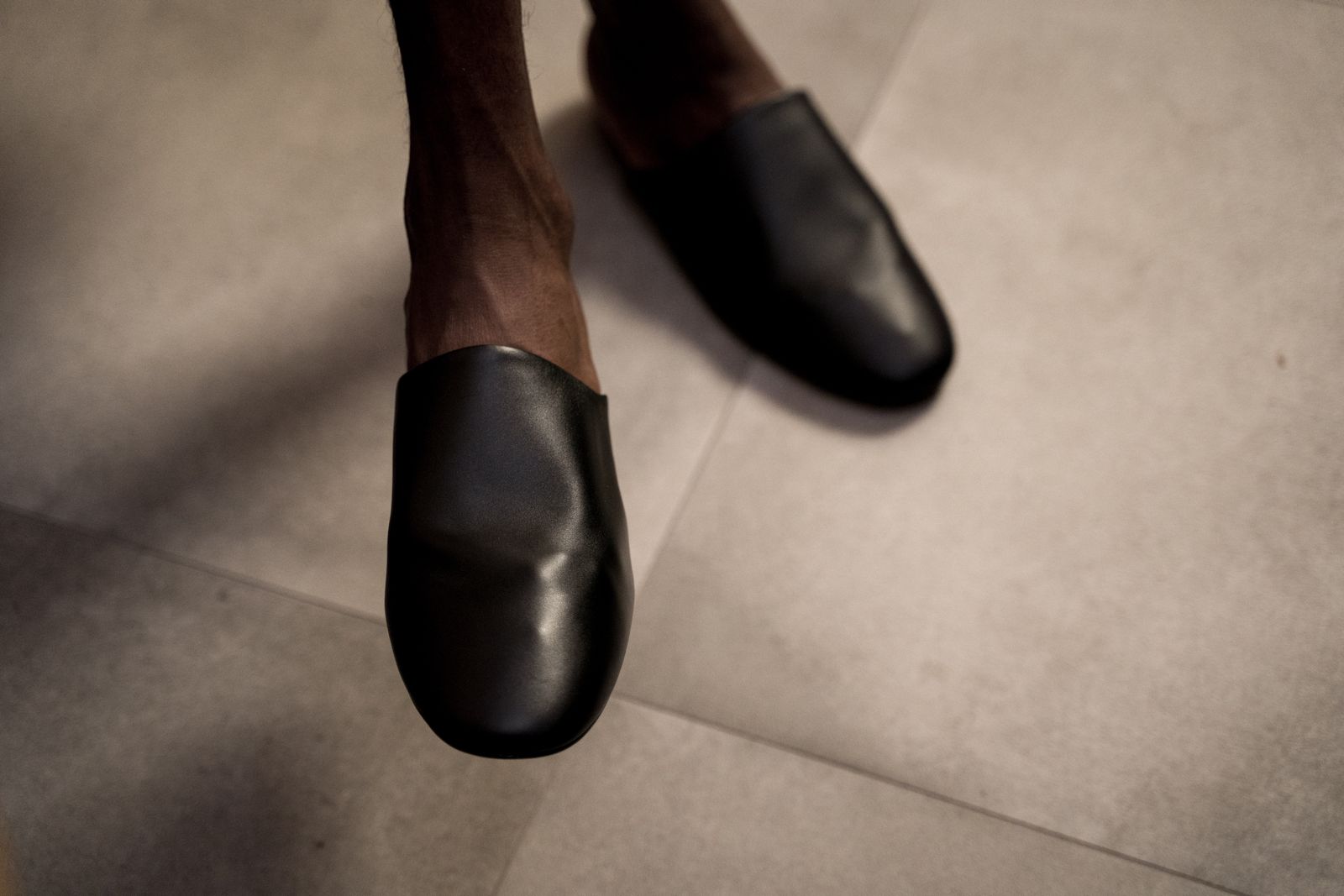
One Pair for the Whole House: Slippers for Carpet, Tile, and Hardwood
A single indoor pair has to handle a route, not a surface. A typical morning crosses bedroom carpet, a cold bathroom tile, a hallway rug, and a kitchen hard floor in under two minutes — and the pair that handles all four is a lightweight plush slip-on with a closed foot, not a heavy insulated house shoe or a thin sock-style slipper. This guide covers what changes at each transition and how to choose one pair that copes with the whole loop.
Why the route matters more than the floor type
Most advice about indoor footwear picks one surface and optimizes for it. Buy a warm pair for cold tile. Buy a grippy pair for hardwood. Buy a soft pair for carpet. That advice is fine if you stand in one room, and useless for a house where the floors change every ten steps.
The route creates requirements that no single surface does:
- Temperature swings within one trip. Carpet is neutral, tile is cold, hardwood is somewhere in between. Your slipper crosses all of them in the same minute, so it can't be tuned to only one.
- Transitions at thresholds. Rug edges, doorway strips, and the lip between rooms are where a loose or oversized slipper catches or slides forward.
- Different sound underfoot. Carpet hides everything; tile reveals it. A pair that's comfortable on soft floors can be loud and hard-feeling on the tile stretch.
- Different grip conditions. A rug grips, tile can be smooth, and a hardwood floor sits between the two.
What each surface actually asks for
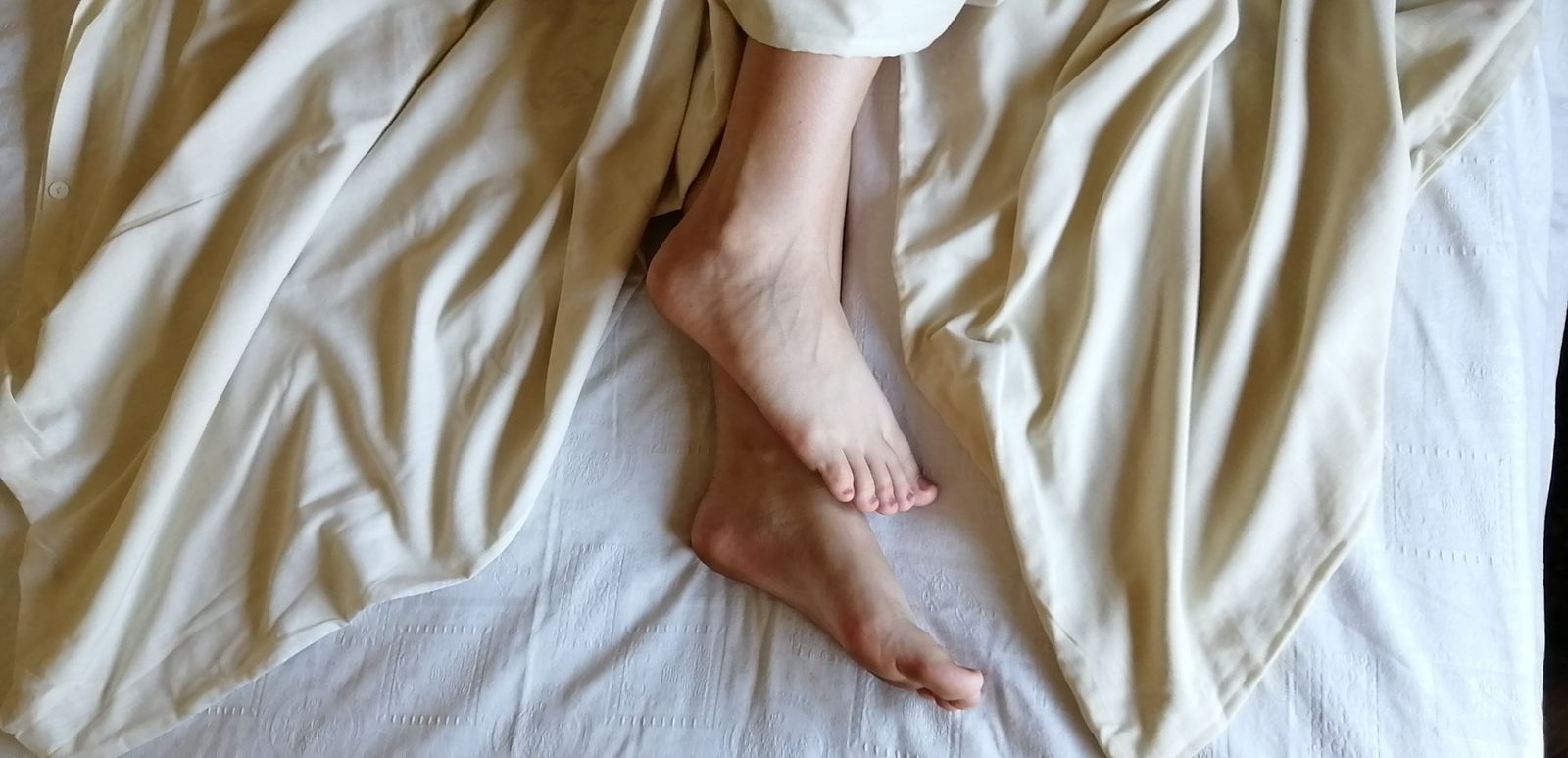
Photo by Mynie Botha on Pexels
| Surface | The problem | What solves it | |---|---|---| | Bedroom carpet | Nothing much — the easy case | Any comfortable pair | | Bathroom tile | Cold, hard, smooth | Full coverage, soft interior, secure fit | | Hallway rug and its edges | Catching a toe, slipper sliding forward | Correct length, closed heel | | Kitchen hard floor | Long periods standing, hard underfoot | Soft interior, light weight | | Stairs between floors | Heel lift on every step | Closed heel, no excess room | | Basement or utility area | Cool, often dusty | Coverage, easy to clean plush |
Read the right-hand column as a whole and a pattern appears: the same three or four characteristics keep answering different problems. That's the argument for one versatile pair over surface-specific ones.
Coverage handles cold floors better than bulk does
The instinct with cold tile is to buy the thickest, most insulated house shoe available. It works, and it creates two new problems: the pair is too warm everywhere else in the house, and the bulk makes it heavy, loud, and tiring on the kitchen stretch where you stand the longest.
Coverage is the better lever. A foot fully enclosed in soft plush is warm on tile because it's enclosed, not because it's thickly padded. That's why a light, closed plush slip-on outperforms a heavy mule on a cold bathroom floor even though the mule looks warmer on the shelf — the mule leaves your heel out in the cold.
The Wendy House Slippers work on the whole-route requirement for that reason: soft plush fabric against the foot, full coverage in a comfortable slip-on design, and a lightweight construction so the pair doesn't become work on the long, standing parts of the route. The piece on the hard sole utility standard covers what sits between your foot and the floor.
Fit is what makes transitions painless
Every threshold in your home is a small test of fit, and oversizing is what fails it.
A slipper that's a size too long does three things at a threshold: the toe catches on rug edges, the foot slides forward inside the slipper on the downward transitions, and you compensate by shuffling. Shuffling is tiring, scuffs the plush at the toe faster than walking does, and is the noisiest way to move around a house.
A correctly fitted pair simply crosses. Your heel stays with the slipper, the toe clears the edge, and you don't think about any of it.
The practical check: walk your actual morning route in the pair before deciding it fits. Bedroom to bathroom to kitchen. If you catch a toe or feel your foot sliding forward, the pair is too long, and no amount of getting used to it will change that.
Choosing one pair for the whole house: a checklist
The checklist of essential features for daily indoor slippers covers these characteristics in more depth if you're comparing several options.
The kitchen is the hardest test, not the coldest floor
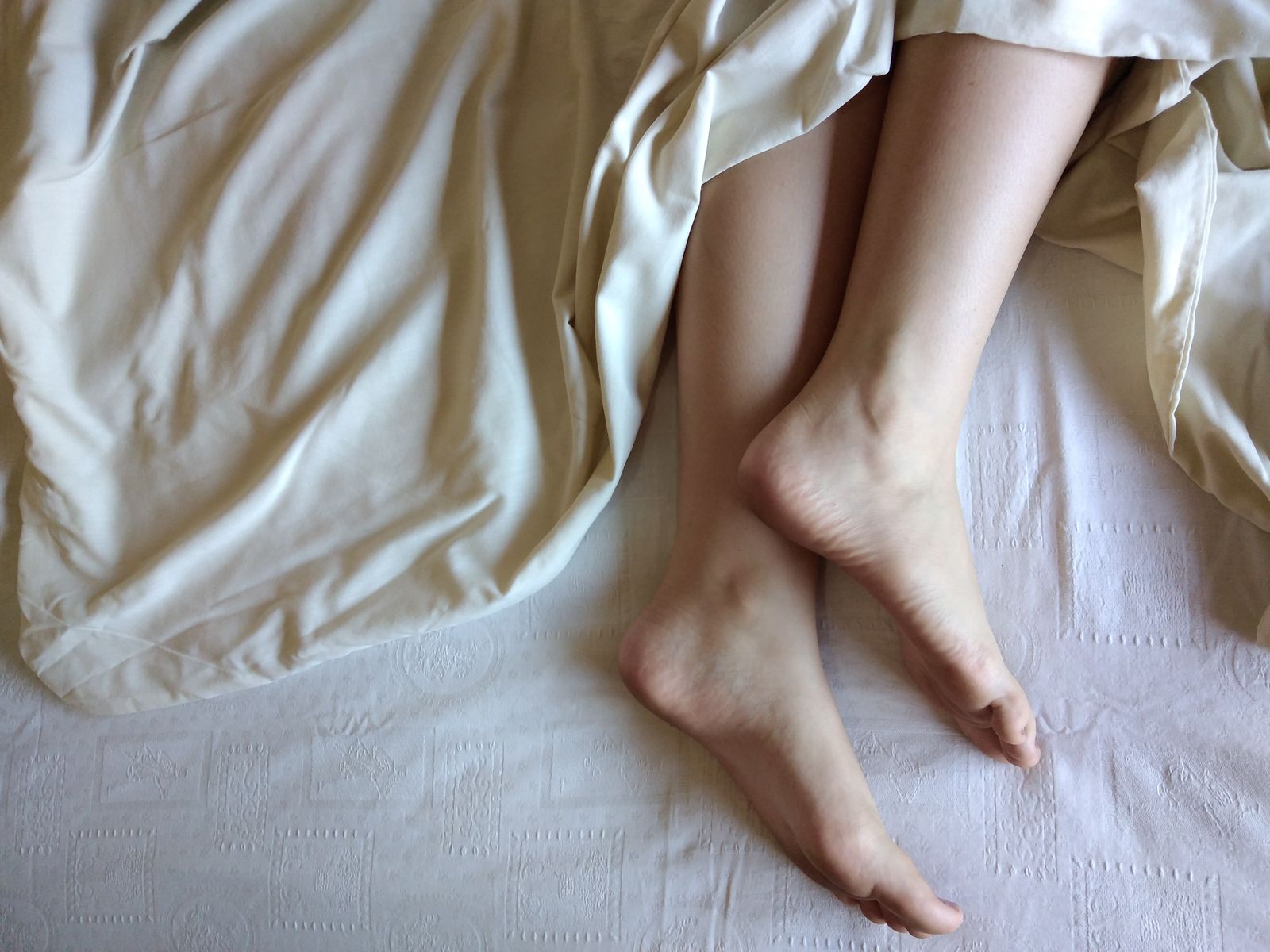
Photo by Mynie Botha on Pexels
Most people assume the cold bathroom is where indoor footwear is judged. In practice the kitchen decides it, because that's where you stand still on the hardest surface in the house for the longest stretches — cooking, washing up, waiting for a kettle.
Standing is different from walking. Walking distributes contact across a stride; standing puts the same part of your foot against the same hard floor for minutes at a time. Two characteristics matter there. A soft interior spreads that contact rather than concentrating it. Low weight matters less while stationary but a great deal for the twenty small trips between the counter, the fridge, and the table.
This is also why a pair that feels wonderful in a carpeted bedroom can disappoint by the end of a cooking session. If you're testing a pair and can only pick one place to test it, stand in the kitchen for five minutes.
Where a second pair genuinely helps
One pair covers the route for most households. Two make sense in a few specific cases.
A separate bathroom pair. If your bathroom floor gets wet, a dedicated pair kept in there avoids carrying moisture into the rest of the house.
Upstairs and downstairs pairs. In a multi-floor home where you frequently arrive at one level without your slippers, having a pair on each floor removes the trip to fetch them.
A rough-jobs pair. An older set for taking the trash out or stepping onto a patio, so your good pair stays indoors.
None of those are about surface type. They're about location and logistics, which is a different problem from choosing the right pair.
Frequently asked questions
Do I need different slippers for tile and hardwood? No. Both are hard, smooth floors, and the same characteristics serve both: full coverage, a soft interior, a light build, and a fit that isn't too long. The difference between tile and hardwood is mostly temperature, and coverage handles that.
Are heavy insulated slippers better for cold floors? They're warmer while you stand still and worse everywhere else — too warm in heated rooms, heavier on stairs, louder on hard floors, and tiring during long stretches of standing. A fully covered lightweight pair handles cold tile without those costs.
Why do my slippers catch on the edge of rugs? Almost always because they're a size too long. Excess length puts the toe of the slipper further ahead of your foot than you expect, which is exactly what a rug edge catches. A correctly sized pair clears the same edge without contact.
Can one pair really handle every room? For most homes, yes. The reason is that the requirements overlap heavily — the pair that's comfortable standing in a kitchen is also the pair that's easy on stairs and warm on tile. Multiple pairs solve location problems, not surface problems.
The next step
Walk your normal morning route in whatever you own now and note exactly where it fails: catching, sliding, cold, loud, or tiring. That short list is your buying brief, and it will point at the same few characteristics almost every time. For a broader look at what to weigh before choosing, see the guide to indoor footwear for lounging at home.
Cover photo by Ron Lach on Pexels.