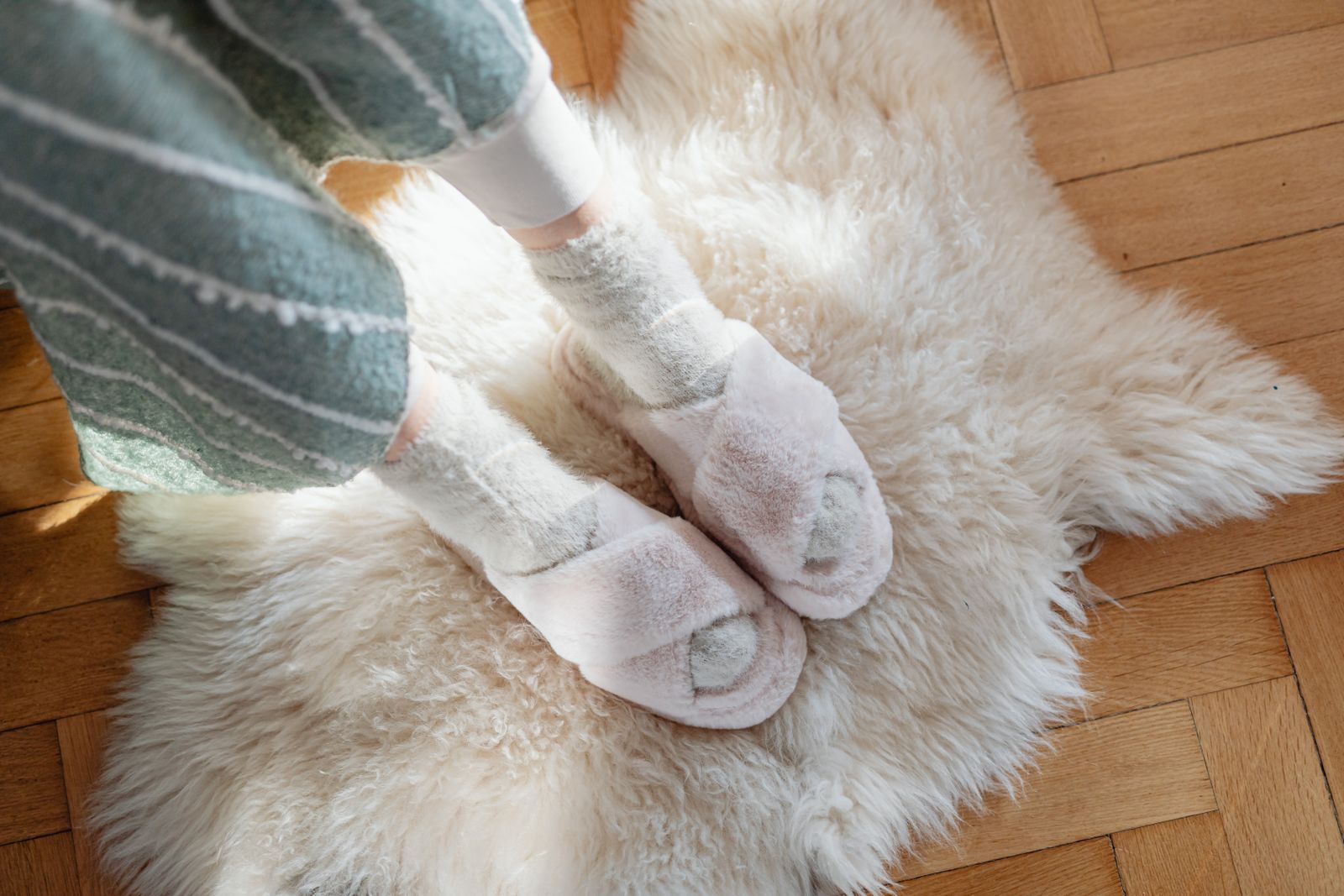
Spot Cleaning Plush Slippers: Frequently Asked Questions & Stain Secrets
Spot cleaning is the right response to almost every mark on a plush slipper. Blot the area, treat it with a small amount of mild detergent in cool water, work from the outside of the mark inward with a soft brush, blot again with a clean damp cloth, then air dry and brush the pile back up. Full washing is for general grubbiness; a single stain rarely justifies it.
Why spot clean instead of washing the whole slipper?
Every full wash loosens a little fiber and flattens the pile, so a slipper cleaned once a month keeps its softness longer than one cleaned once a week. Treating only the affected area keeps the rest of the pile untouched, and it takes five minutes rather than a day of drying.
Spot cleaning is also more effective on fresh marks. Most household stains are far easier to lift within the first few minutes, before they dry and bond to the fiber. A mark blotted immediately usually disappears completely; the same mark left for a week may only fade.
The one rule that matters more than any product choice: blot, never rub. Rubbing pushes the stain deeper into the pile, spreads it sideways, and tangles the fibers so the treated patch looks matted even after the color is gone.
What is the general spot cleaning method?

Photo by Pavel Danilyuk on Pexels
One step is worth adding whenever you use anything stronger than mild detergent: test it first. Find an inconspicuous spot — the inside of the heel, or a seam allowance where the fabric folds under — apply a small amount, wait a few minutes, and blot with a white cloth. If any color transfers to the cloth, the product is lifting dye out of the fabric and should not go anywhere visible. That thirty-second check prevents the one kind of damage that spot cleaning can cause but cannot repair.
Which method suits which stain?
| Stain | First move | Treatment | Notes | |---|---|---|---| | Coffee or tea | Blot immediately | Cool water with mild detergent | Hot water sets the tannin; keep everything cool | | Cooking oil or butter | Blot, then cover with cornstarch for 20 minutes | Vacuum the powder, then detergent solution | Powder pulls oil out before any liquid goes on | | Mud | Let it dry completely | Brush the dry soil off, then treat the shadow | Wet mud spreads; dry mud lifts off cleanly | | Ink | Blot, do not spread | Dab with rubbing alcohol on a cotton swab, then rinse | Test on an inside seam first | | Pet accident | Blot thoroughly | Enzyme cleaner diluted, then rinse well | Enzymes break down odor that soap leaves behind | | Chocolate | Chill and scrape off solids | Cool detergent solution | Warmth melts it deeper into the pile | | Red wine | Blot hard with a dry cloth | Cool water, repeat blotting; do not scrub | Patience beats pressure on wine | | General grayness | None | Full gentle wash | This is not a spot; treat the whole slipper |
How do you avoid a water ring around the cleaned area?
Water rings form when a wet patch dries with its edge sharply defined and any dissolved soil concentrating at the boundary. Three habits prevent almost all of them.
Feather the moisture outward rather than stopping abruptly at the edge of the stain — a slightly damp halo dries evenly. Rinse thoroughly, since most visible rings are actually detergent, not water. And dry the area with airflow rather than heat, because fast drying at one point concentrates whatever is dissolved in the water right there.
If a ring appears anyway, it is fixable. Lightly dampen the whole panel of fabric with plain cool water, blot evenly, air dry, and brush. Evening out the moisture removes the boundary that makes a ring visible.
What products should never touch plush slippers?
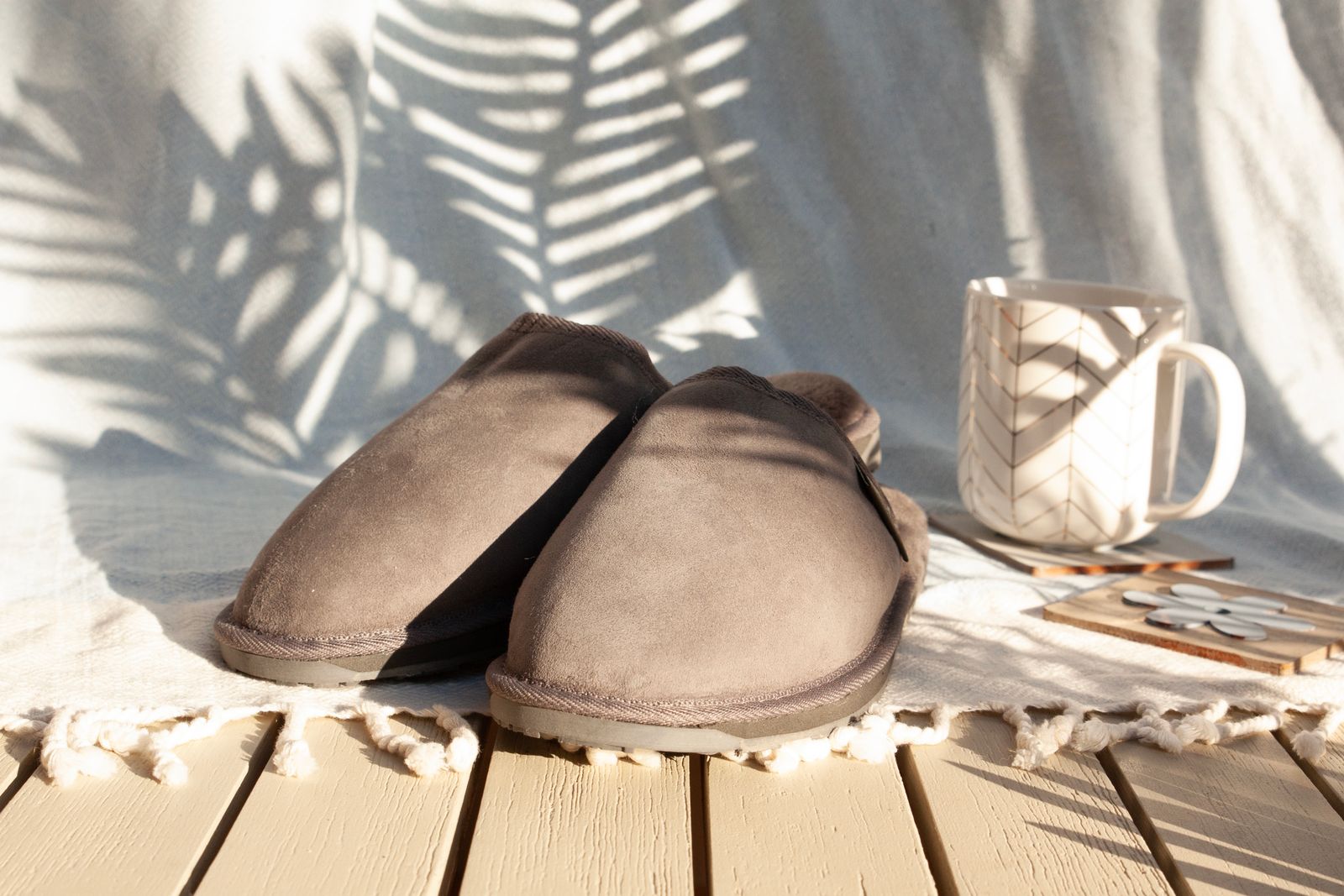
Photo by Karen Laårk Boshoff on Pexels
- Bleach, including color-safe versions, which weakens synthetic fibers and yellows light fabric
- Fabric softener, which coats the pile with a film that makes matting worse rather than better
- Solvent spot removers not intended for fabric, which can dissolve the adhesive holding a sole to the upper
- Hot water, which sets protein and tannin stains and can shrink backing fabric
- A hot iron or hair dryer pressed on the fabric, which permanently fuses matted fibers
- Stiff wire brushes, which pull fibers out of the base instead of lifting them
How often is spot cleaning needed?
For daily indoor wear, expect to treat a mark every few weeks and to do a full wash every four to six. Between the two, a weekly thirty-second brushing does more for appearance than either, because most of what makes a slipper look tired is flattened pile rather than dirt.
Odor is a separate track and does not respond to spot cleaning. It comes from moisture held in the footbed lining, so the fixes are airing slippers out somewhere open between wears, rotating between two pairs if you wear them all day, and leaving a little baking soda inside overnight before vacuuming it out. A full routine is set out in how to maintain Wendy House Slippers, and the hygiene side is covered in maintaining hygiene with Wendy House Slippers.
Frequently asked questions
Can baby wipes be used to spot clean slippers? They work for a light surface smudge and are convenient, but many contain lotions and preservatives that leave a residue in pile fabric. If you use one, follow with a plain water wipe and let the area dry with air rather than heat.
Why does the stain come back after the slipper dries? That is wicking. Soil dissolved deeper in the fabric travels back to the surface as moisture evaporates. Repeat the treatment, rinse more thoroughly, then place a dry cloth over the damp area with a light weight on top so the soil moves into the cloth as it dries rather than back into the pile.
Should the inside of the slipper be spot cleaned too? The footbed usually needs a wipe rather than a stain treatment, since what accumulates there is body oil rather than a discrete mark. Rub the lining lightly with a cloth dampened in mild detergent solution, wipe with plain water, and dry it thoroughly before wearing.
Does spot cleaning ruin the softness of the treated patch? Only if the patch is left to dry untouched. Brushing the area while it is barely damp restores the pile and blends it into the surrounding fabric. Skipping that step is what leaves a visible flat mark where the stain used to be.
The practical next step is to keep a white cloth and a small bottle of diluted mild detergent somewhere accessible, so a spill gets blotted within a minute instead of discovered a week later. Speed is worth more than any product on the shelf.
Cover photo by https://kaboompics.com/ on Pexels.