The Ultimate Guide to Indoor Footwear: Choosing the Best House Slippers for Everyday Comfort
Why Quality Indoor Footwear Matters
Spending time at home should be synonymous with comfort. While many people focus on outdoor footwear, indoor footwear plays a crucial role in daily relaxation and foot wellness. Walking barefoot or wearing unsupportive socks on hard indoor surfaces like hardwood or tile can cause foot fatigue over time. Investing in proper house slippers provides the cushioning, insulation, and soft support your feet need after a long day.
Whether you are working from home, doing household chores, or unwinding on the couch, high-quality indoor footwear elevates your everyday experience. The ideal house slipper balances cozy warmth, breathability, and functional grip without feeling bulky or heavy. The reason this matters more than it used to is that homes changed. Wall-to-wall carpet has largely given way to tile, laminate, engineered wood, and polished concrete, all of which are easier to clean and considerably harder underfoot. At the same time people spend far more waking hours at home than they did a decade ago. More hours, on harder floors, with nothing between the two, is the whole problem in one sentence.
The usual fixes are each incomplete. Going barefoot leaves the foot to absorb every step and the floor to pull heat out of you. Socks add warmth but no cushioning, and they slide on smooth surfaces, which is a real fall risk on stairs. Wearing outdoor shoes indoors solves cushioning but drags grit across the floors and is heavy enough that most people stop bothering. Dedicated indoor footwear is the only option that covers warmth, cushioning, grip, and cleanliness at once.
Essential Features of a Great House Slipper
When evaluating indoor footwear, several key design elements determine overall satisfaction:
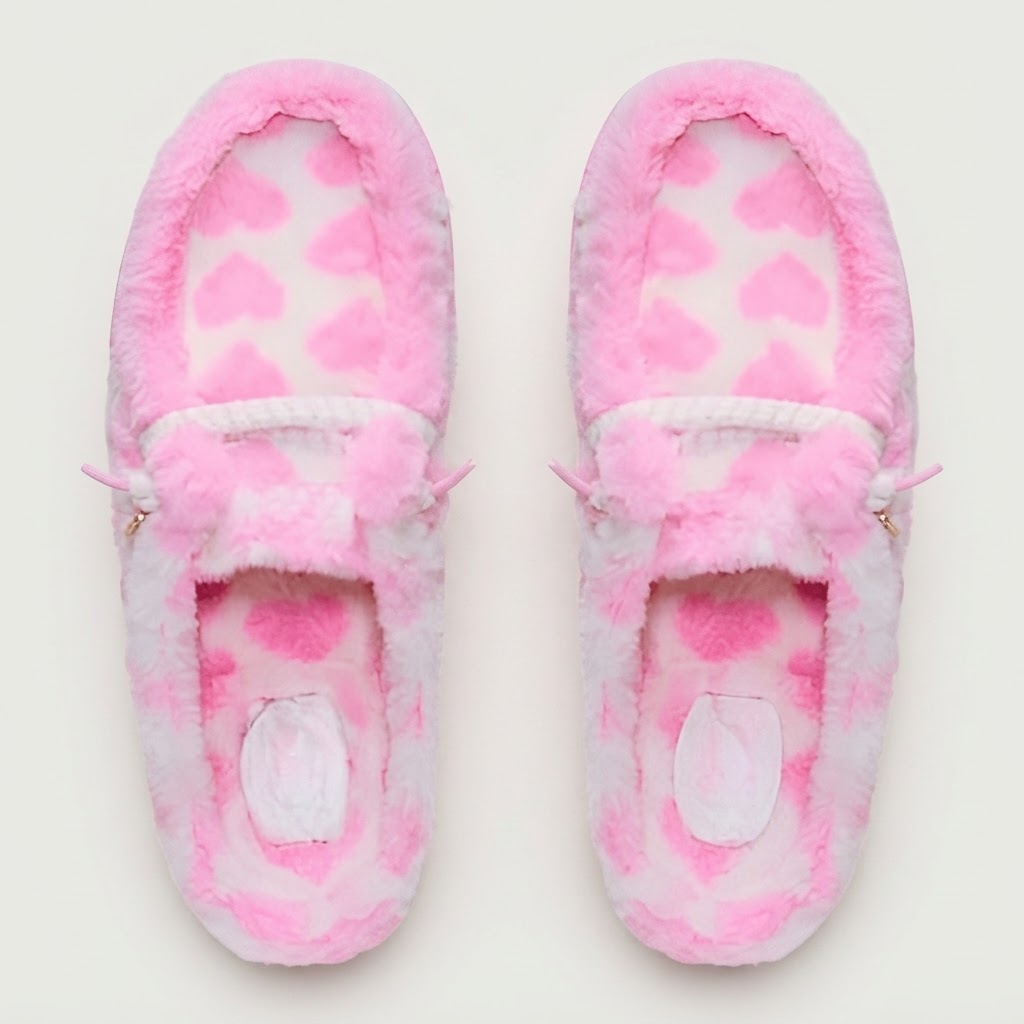
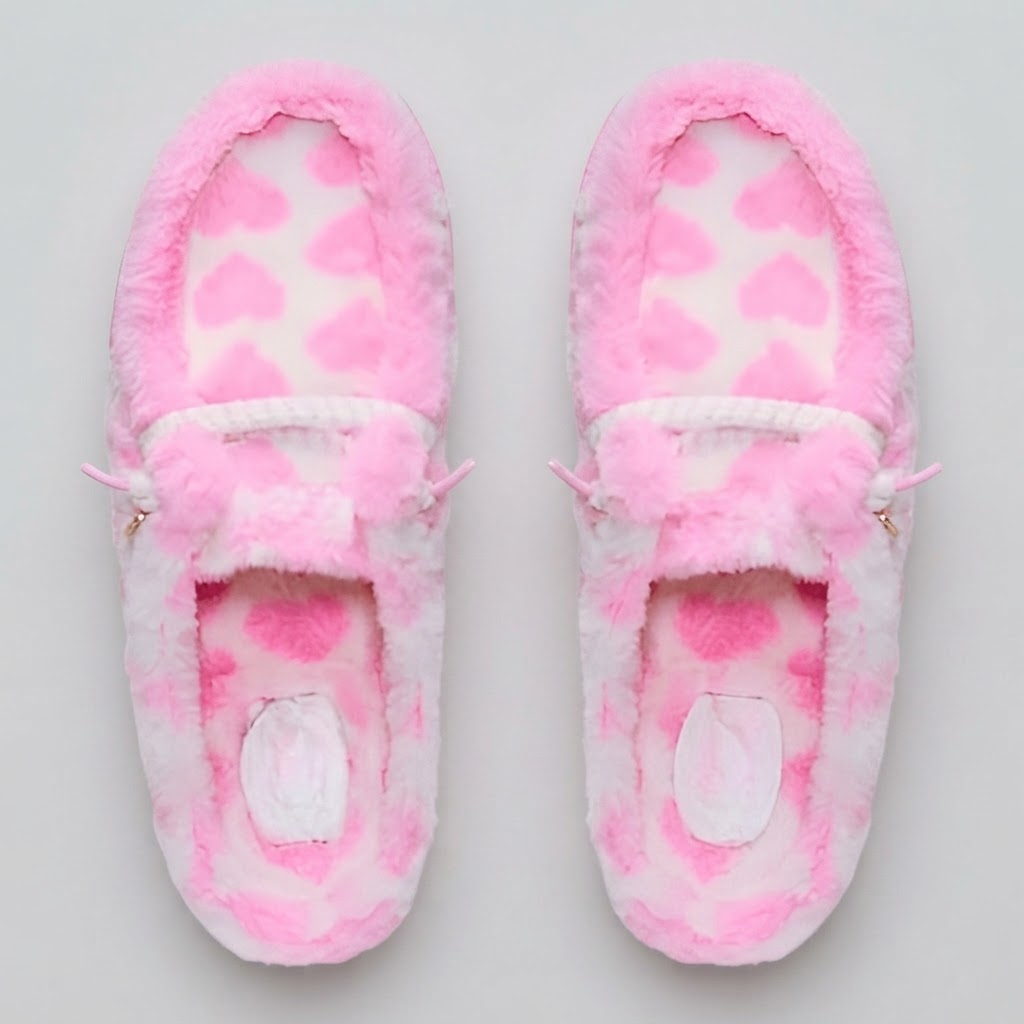
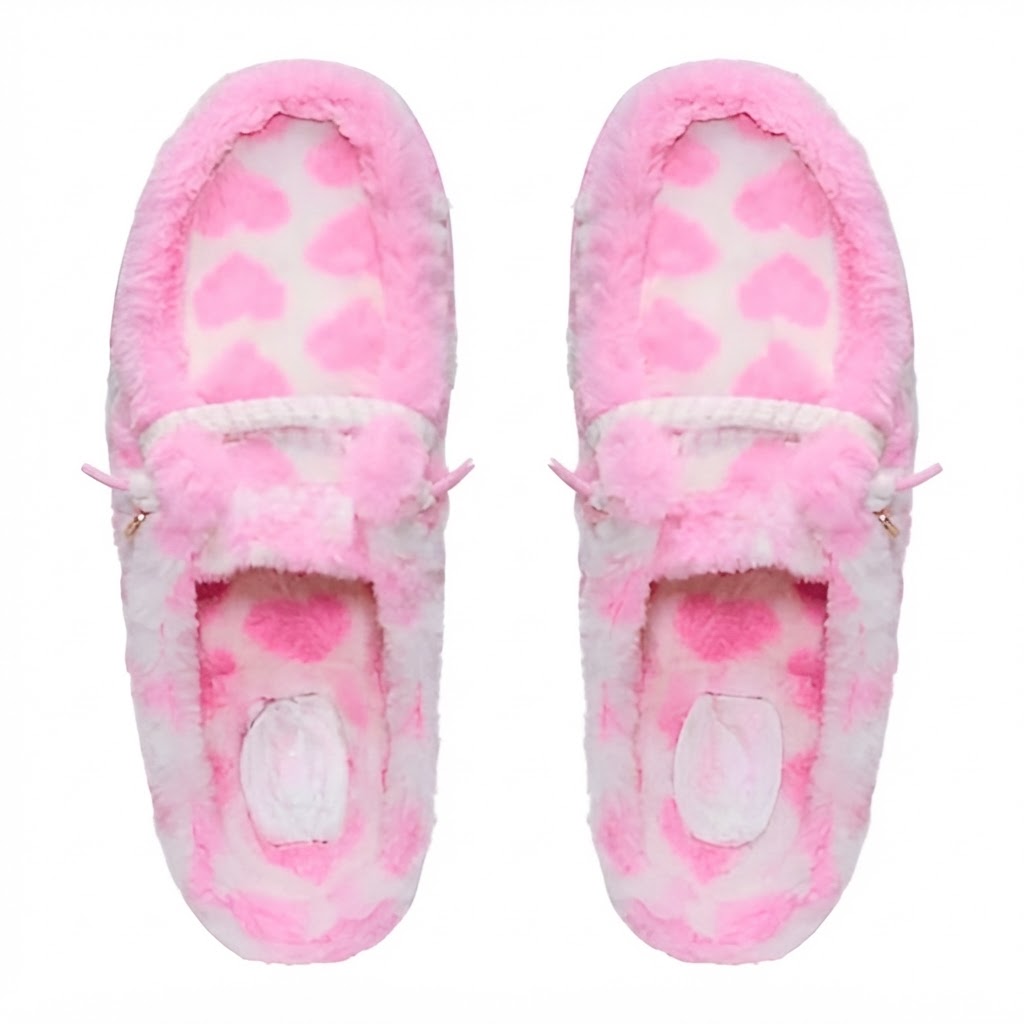
- Upper Fabric: Materials like soft plush fabric deliver immediate warmth and touchable comfort, making slipping into your footwear a relaxing ritual.
- Weight: A lightweight construction ensures ease of movement, preventing drag or fatigue while walking around the house.
- Closure Style: A comfortable slip-on design allows for effortless wearability, making it simple to step in and out of your footwear throughout the day.
- Aesthetic Details: Functional slippers do not have to lack charm; stylish catching details add visual appeal to your loungewear collection.
Weight comes first, and it is the most underrated specification in the category. A heavy slipper gets abandoned, and an abandoned slipper delivers nothing. Sole cushioning comes second, since it is the feature doing the actual work against a hard floor. Ease of entry is third and matters more than it sounds: anything requiring a hand or a fastening gets skipped when you are carrying something. Lining warmth is fourth, and it is largely a function of pile density rather than the fabric's name. Appearance is last on the functional list but not irrelevant, given how often people now answer the door or take a video call from home.
One thing deliberately absent from that list is arch support. A light plush slipper does not provide it, and a pair that claims both featherweight construction and orthopaedic support is generally overselling one of the two. If you are managing a diagnosed foot condition, a structured house shoe is a different and more appropriate category, and the extra weight is a reasonable trade.
Understanding Outsole Materials: EVA vs Traditional Rubber
The sole of a house slipper determines its stability and indoor usability. Traditional rubber outsoles can sometimes feel heavy or rigid, whereas modern synthetic materials like lightweight EVA (Ethylene-Vinyl Acetate) provide supportive cushioning without adding weight.
An outsole made from lightweight EVA offers smooth flexibility and gentle impact absorption on hard surfaces. This makes it ideal for indoor wear, allowing you to move freely without clunky footfalls or floor scuffing. A short summary for anyone deciding between the two. Foam soles are lighter, quieter on hard floors, more flexible underfoot, and far less likely to scuff a sealed floor. Rubber soles are heavier and stiffer, but they resist abrasion better and generally grip wet surfaces more reliably.
That maps cleanly onto use. Indoors on flat floors, foam wins on every axis that matters. For a slipper that will regularly cross a patio, a gravel path, or a wet doorstep, rubber lasts longer and is safer. The mistake is buying a foam-soled indoor slipper and then using it as outdoor footwear, which wears the sole down within months and voids the comfort case along with it.
Be aware of one long-term behaviour of foam: it takes a compression set. After roughly a year of daily wear the area under the heel will have permanently flattened and stopped springing back. That is expected wear rather than a defect, and it is the signal that a pair has reached the end of its useful life even if the upper still looks presentable.
Fabric Choices: Soft Plush Fabric for Maximum Coziness
Fabric selection directly impacts how slippers feel against your skin. Soft plush fabric is widely favored for house slippers due to its soft tactile texture and ability to trap warmth gently without overwhelming the feet. When paired with a breathable structure, plush fabric creates a cozy environment that makes indoor lounging feel luxurious. What makes a plush lining warm is not the fabric itself but the still air it traps against the skin, which is why pile density predicts warmth better than any material name on the label. A dense pile holds more air and springs back under pressure; a sparse pile flattens where the heel lands and stays flat.
You can test this on a pair you already own. Press a thumb firmly into the lining and lift it off. A dense pile recovers almost instantly. A thin one holds the dent, and that same area will mat down within a couple of months of regular wear.
The trade-off with any plush lining is moisture. Plush is warm precisely because it is not breathable, so worn barefoot for long periods it holds perspiration, which is what produces odour. Wearing them over socks solves this almost entirely and roughly triples the interval between washes. Alternating two pairs, so each gets a full day to dry out between wears, is the other simple fix.
How to Size and Care for Your House Slippers
To maximize the life and fit of your slippers, keep sizing and maintenance in mind:
Finding the Right Fit
Select footwear that fits true to size (US Women's 5-11) to avoid heel slippage or toe bunching. Slippers should hug the foot comfortably without feeling tight, accommodating natural foot expansion throughout the day. Three practical rules cover most sizing questions. Measure in the evening rather than the morning, since feet swell across the day and evening is when slippers are actually worn. If you are between sizes, take the smaller one, because plush compresses with wear and a pair that starts roomy will slide at the heel within a couple of months. And if you intend to wear thick socks in winter, keep your usual size rather than sizing up, since the plush lining already accounts for that layer.What a correct fit feels like on day one is snug across the top of the foot with the heel held in place when you walk, and about a thumb's width of clearance at the toe. What it should not feel like is pressure on the sides of the foot, which does not ease with wear and is the most common reason a pair gets returned.
Cleaning and Maintenance
Maintaining indoor footwear freshness requires simple care steps. For best results, machine wash cold, air dry to preserve fabric softness and structural integrity. Avoiding direct heat sources prevents synthetic outsoles from warping over time.Two habits do more for lifespan than any washing routine. Air them between wears rather than storing them in a closed cupboard or a box, since trapped moisture is what turns into odour and eventually breaks down the lining. And alternate pairs if you have two, so each one dries fully before its next outing.
When a wash is needed, the whole method is cold water, mild detergent, lowest spin, mesh bag, air dry away from any heat source. Heat is the one thing that reliably ruins this kind of slipper, in three ways at once: it mats the pile, it distorts the foam sole, and it softens the adhesive holding the two together. That applies to hot water, radiators, airing cupboards, and tumble dryers equally, including on a low setting.
Dry them stuffed loosely with a rolled towel so the opening holds its shape, allow a full day, and finish by brushing or hand-rubbing the plush to lift fibres flattened by the cycle. If the pile still feels stiff after drying, it is almost always trapped detergent rather than damage, and a second cold rinse with no detergent will restore it.
Related in this cluster
- Why You Should Wear House Slippers Indoors: Comfort and Health Benefits
- How to Wash and Care for Plush House Slippers
- Lightweight EVA vs. Rubber Outsoles: Which Is Best for Slippers?
- Wendy House Slippers Review: Soft Plush Comfort for Home
- 4 Features That Make Wendy House Slippers Perfect for Indoor Lounging
- Wendy House Slippers Sizing, Care, and Style FAQ