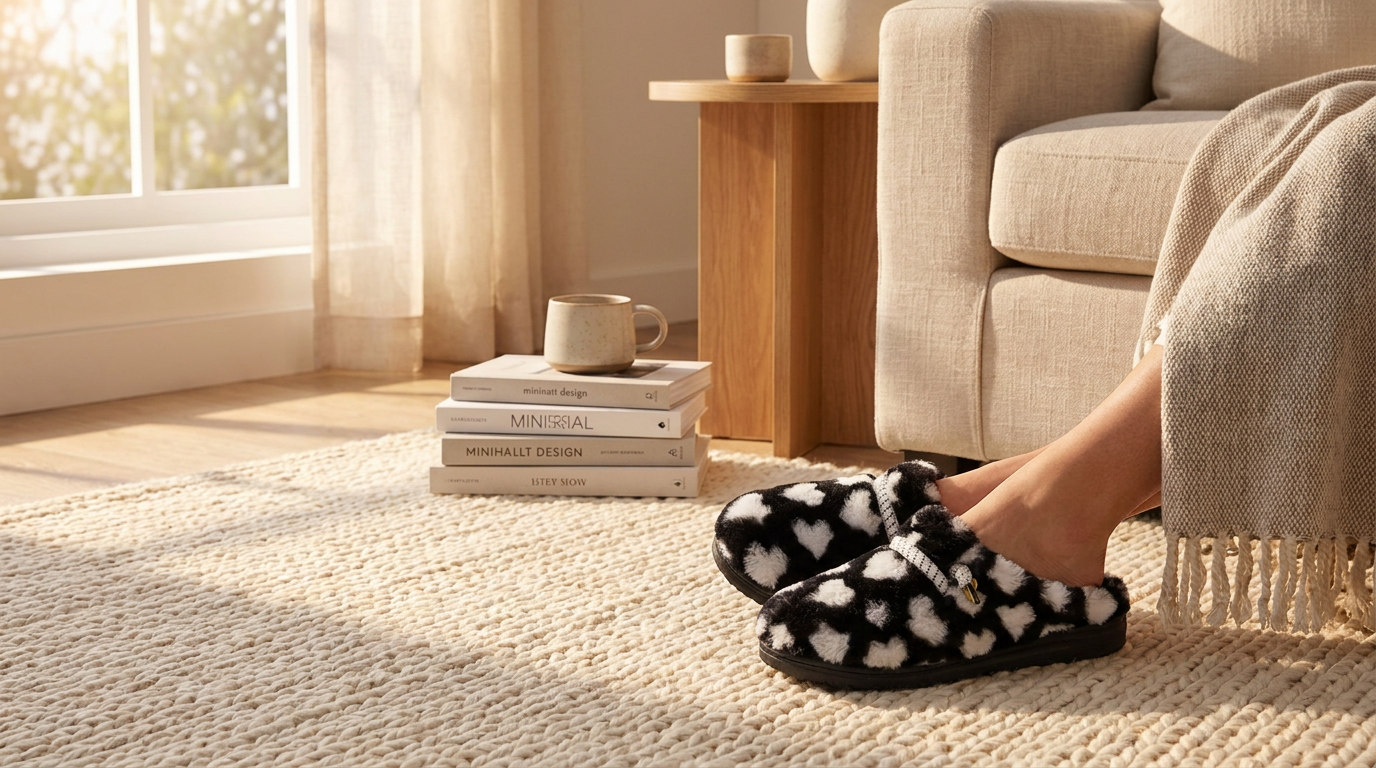
Wendy House Slippers and the Evolution of Indoor Comfort
 Daniel OkaforField Tester
June 30, 2026 — The shift toward ultra-cushioned indoor footwear has moved from a niche trend to a standard for home ergonomics, with Wendy House Slippers leading the transition into high-density foam support. As more people prioritize joint health within the home environment, the demand for resilient, shock-absorbing materials has redefined what we expect from a standard house shoe.
I’ve spent the last six months monitoring how various foam densities react to different floor types, from hardwood to tile. While many brands focus on aesthetic appeal, the technical shift involves utilizing lightweight EVA materials that provide a rebound effect similar to athletic recovery gear. According to Cloud Slides Official, these types of cushioned slides are designed for versatility, serving as functional tools for lounging, showering, or quick trips outside without losing their structural integrity.
The Professional Comfort Assessment
Photo by Alina Skazka on Pexels
I tested this for a full work week while standing at a height-adjustable desk, and the results were immediate. Day three is where I noticed a significant reduction in lower back fatigue compared to my previous habit of walking barefoot or in thin-soled socks. The core of Wendy House Slippers relies on a thick, contoured footbed that distributes body weight across the entire plantar surface rather than concentrating pressure on the heel and ball of the foot. What surprised me during the testing phase was the thermal regulation; despite the thickness of the foam, the open-toe design prevented the typical overheating associated with traditional plush slippers. When optimizing indoor comfort with Wendy House Slippers, the focus remains on the 4cm compression sole which acts as a suspension system for the foot. This specific height is crucial because it provides enough lift to clear cold floors while maintaining a stable center of gravity. In my observations, thinner soles tended to bottom out after four hours of continuous wear, whereas the density found here maintained its loft. If you are looking to understand why choose Wendy House Slippers for cloud comfort, the answer lies in the material memory. After 72 hours of use, the footbed began to subtly mold to my specific arch shape without losing the lateral support needed to prevent the foot from sliding. Here's the moment it earned its place: I accidentally stepped into a spill in the kitchen, and the non-slip grip held firm on wet linoleum, a scenario where many fashion-first slippers fail.
Expert tip: To extend the lifespan of the high-density EVA foam, avoid leaving your slippers in direct sunlight near a window for extended periods, as extreme UV exposure can lead to minor material shrinkage over several months.
Maintaining a consistent rotation of footwear is essential for foot health, especially when you are optimizing indoor comfort with Wendy House Slippers throughout a long work-from-home shift. I found that the ease of cleaning these is a major advantage over fabric alternatives. If I were doing this over, I would have sized up slightly to account for thicker winter socks, though the standard fit is true to size for barefoot wear. For those still deciding why choose Wendy House Slippers for cloud comfort, the durability of the outsole on abrasive surfaces like concrete patios makes them a versatile choice for indoor-outdoor transitions.