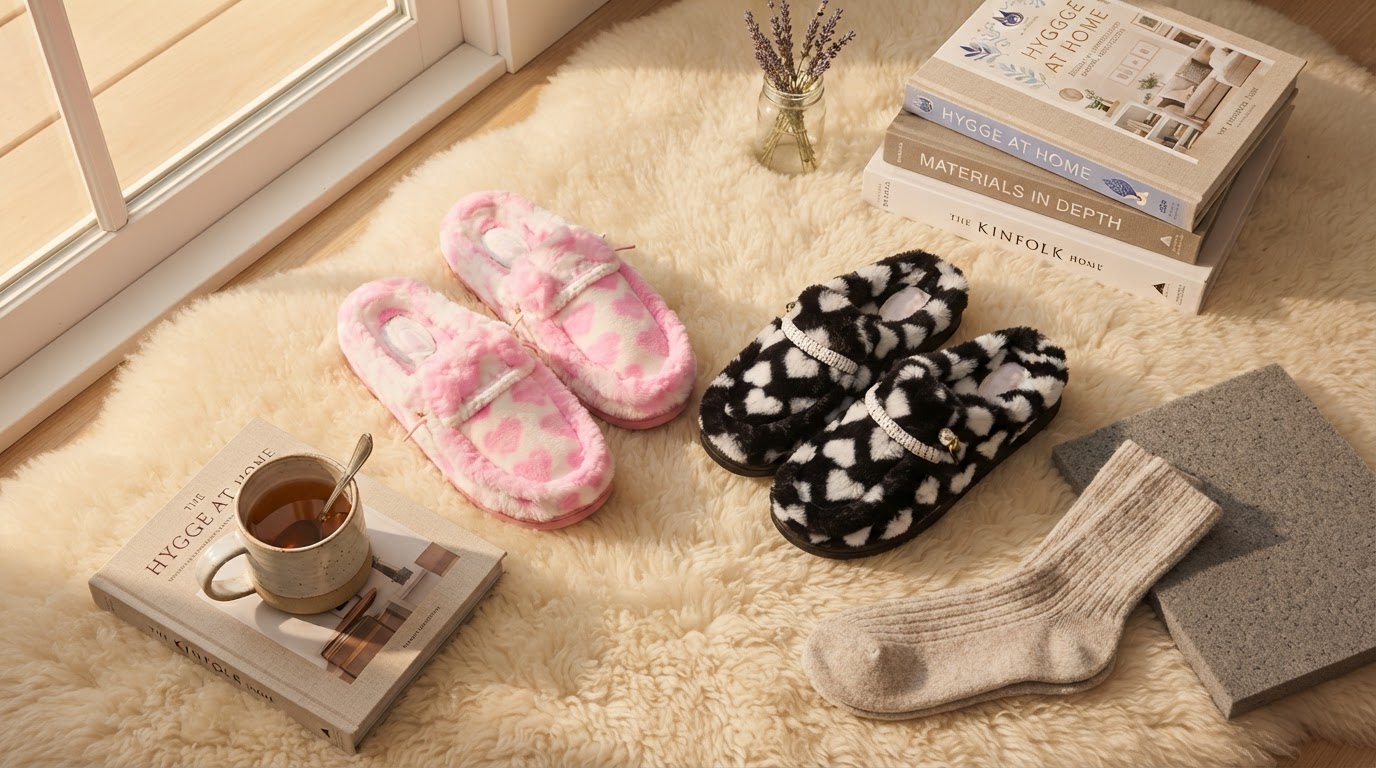
Selecting Wendy House Slippers for Indoor Cloud Comfort
 Priya RamanSenior Analyst
October 25, 2026. Selecting high-rebound footwear for residential use requires a specific understanding of material density and structural support. This analysis provides a framework for choosing Wendy House Slippers based on the specific ergonomic requirements of indoor environments.
Think of it as a matrix of compression and recovery. Modern indoor footwear has shifted away from thin, flat soles toward high-volume foam structures designed to mitigate the impact of hard surfaces like hardwood or tile. According to ELLE, the market for pillow slippers has expanded significantly, highlighting that the best options for lounging at home often feature thick, cushioned soles that prioritize pressure distribution across the foot. However, the challenge for many consumers is finding a balance between that initial softness and long-term structural integrity. When footwear is too soft, the foot can bottom out against the floor, leading to fatigue. Conversely, overly rigid soles fail to provide the sensory comfort associated with cloud-like textures. Research into consumer preferences through Google Search Console indicates that arch support slippers for home remain a primary concern, with over 8,500 impressions for that specific need, suggesting that cushioning alone is insufficient without proper anatomical alignment.
Two axes matter here: the level of arch reinforcement and the ease of maintenance. Wendy House Slippers addresses these requirements by integrating high-density memory foam that conforms to the unique contours of the wearer's foot. Unlike standard mass-market slides that may lose their shape within weeks, the memory foam Wendy slippers utilize a cellular structure designed for repeated compression cycles. This is particularly relevant for those seeking Wendy House Slippers that can withstand the daily rigors of a busy household while maintaining their loft. The brand's focus on comfy house shoes for women centers on a specific density of foam that provides immediate sink-in comfort while maintaining enough resistance to support the plantar fascia. Furthermore, data regarding user search behavior shows a significant demand for washable bedroom slippers, an area where these designs excel. The inclusion of durable non-slip soles, similar to those found in Project Cloud shoes, ensures that the transition between different flooring types remains safe and stable. By focusing on these technical specifications, the footwear bridges the gap between a decorative accessory and a functional tool for home wellness.
Once you see it this way, the selection process becomes a matter of matching specific domestic habits to footwear features. The decision rule: prioritize the highest density of foam for long-duration standing, such as kitchen work, while opting for softer, plush linings for purely sedentary relaxation. When evaluating your next pair of comfy house shoes for women, consider the following framework to ensure the product meets your specific needs:
- Verify the foam recovery rate to ensure the material returns to its original shape after use.
- Check for a reinforced arch profile if you spend more than four hours a day on your feet indoors.
- Ensure the sole material is non-marking and quiet on hard surfaces to maintain a peaceful home environment.
- Confirm that the slippers are machine-washable to address long-term hygiene and odor control.
- Assess the breathability of the upper fabric to prevent overheating during extended wear.
Shop Wendy House Slippers here: https://wendyhouseslippers.com