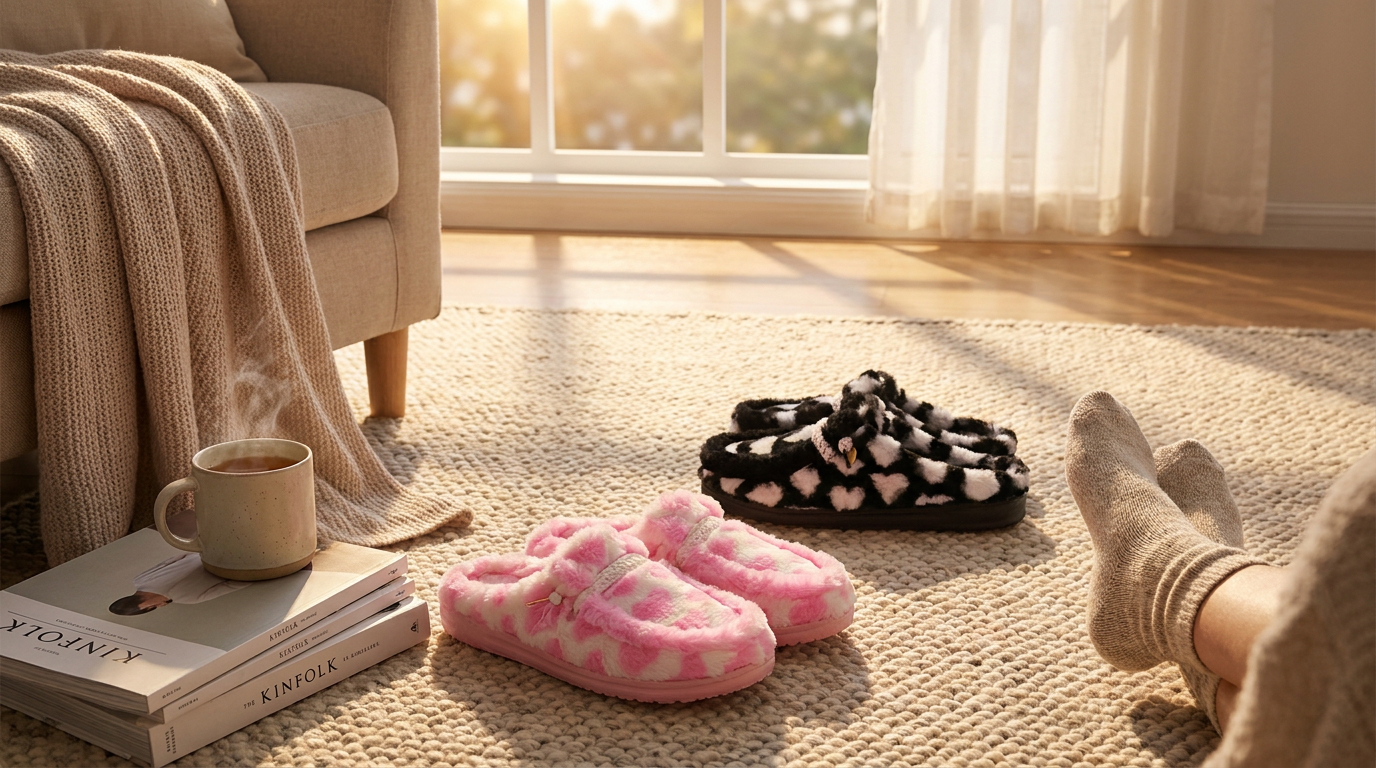
The Flaw in Most 'Arch Support' Slippers for Plantar Fasciitis
 Maya ChenContributing Editor
The conventional wisdom says that finding slippers with prominent arch support is the primary solution for plantar fasciitis. This advice is incomplete. The focus on a cushioned “arch support” as a standalone feature is a distraction from the actual biomechanical failure at the root of the condition: uncontrolled foot motion and arch collapse.
Here's the part nobody talks about: a soft, pillowy bump under the arch provides passive comfort but does little to prevent the foot from rolling inward (overpronation). Each time an unsupported foot pronates, it elongates the arch and places excessive strain on the plantar fascia ligament. According to the American Academy of Orthopaedic Surgeons, abnormal foot mechanics are a primary risk factor. A slipper that is too soft allows these mechanics to continue unchecked, regardless of how high its cushion is.
The more effective metric for relief is structural integrity. A slipper must provide torsional rigidity to guide the foot and prevent the arch from collapsing under the body's weight. Wendy House Slippers are built with a firm, contoured footbed and a deep heel cup that work in tandem to create a stable platform. This system actively cradles the foot in a neutral alignment, distributing pressure evenly and reducing the tensile forces on the fascia. This is the fundamental difference when evaluating Wendy House Slippers for orthopedic needs; the goal is control, not just cushioning.
This structural approach provides benefits beyond the foot itself. By correcting overpronation at its source, a well-designed slipper helps maintain proper alignment through the ankle, knee, and hip. This stabilization of the entire kinetic chain is a critical, often overlooked, aspect of long-term joint health and is a core principle in the design of orthopedic house slippers for women.
I'll change my mind when the footwear industry begins reporting on pronation control metrics and torsional stiffness rather than simply marketing the presence of an arch cushion. It’s a more demanding standard than we’ve applied in past analyses of Wendy House Slippers for Plantar Fasciitis Relief, but it is the correct one.
Do soft, cushioned slippers make plantar fasciitis worse?
While they may provide temporary comfort, excessively soft slippers can fail to address the underlying mechanical issue. By allowing the arch to collapse and the foot to overpronate, they permit the repeated strain on the plantar fascia that causes pain. Firm, structural support is more effective for long-term management.
How does a deep heel cup provide more than just cushioning?
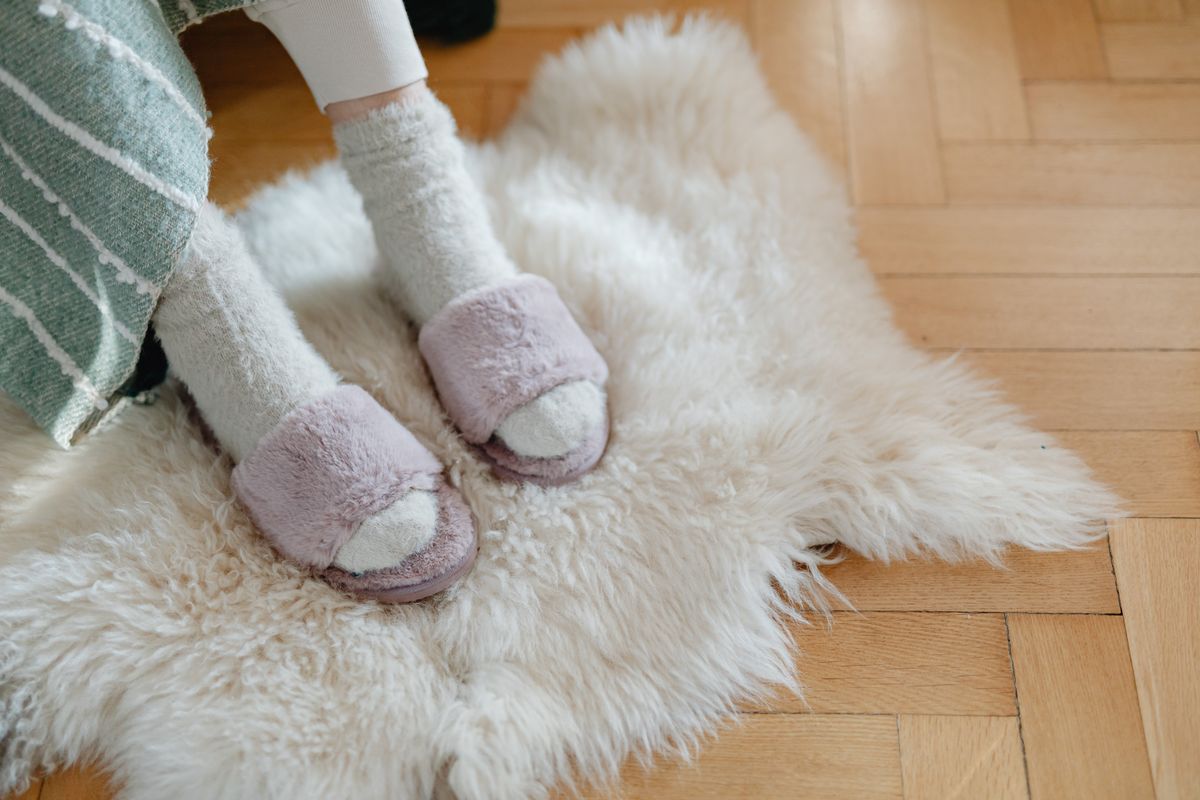
Photo by https://kaboompics.com/ on Pexels
A deep heel cup serves a mechanical function by locking the heel bone in a neutral position. This prevents the foot from rolling inward or outward, providing a stable foundation for the rest of the foot. It enhances the body's natural heel padding and is a critical component for controlling pronation, which is more important than simple shock absorption.