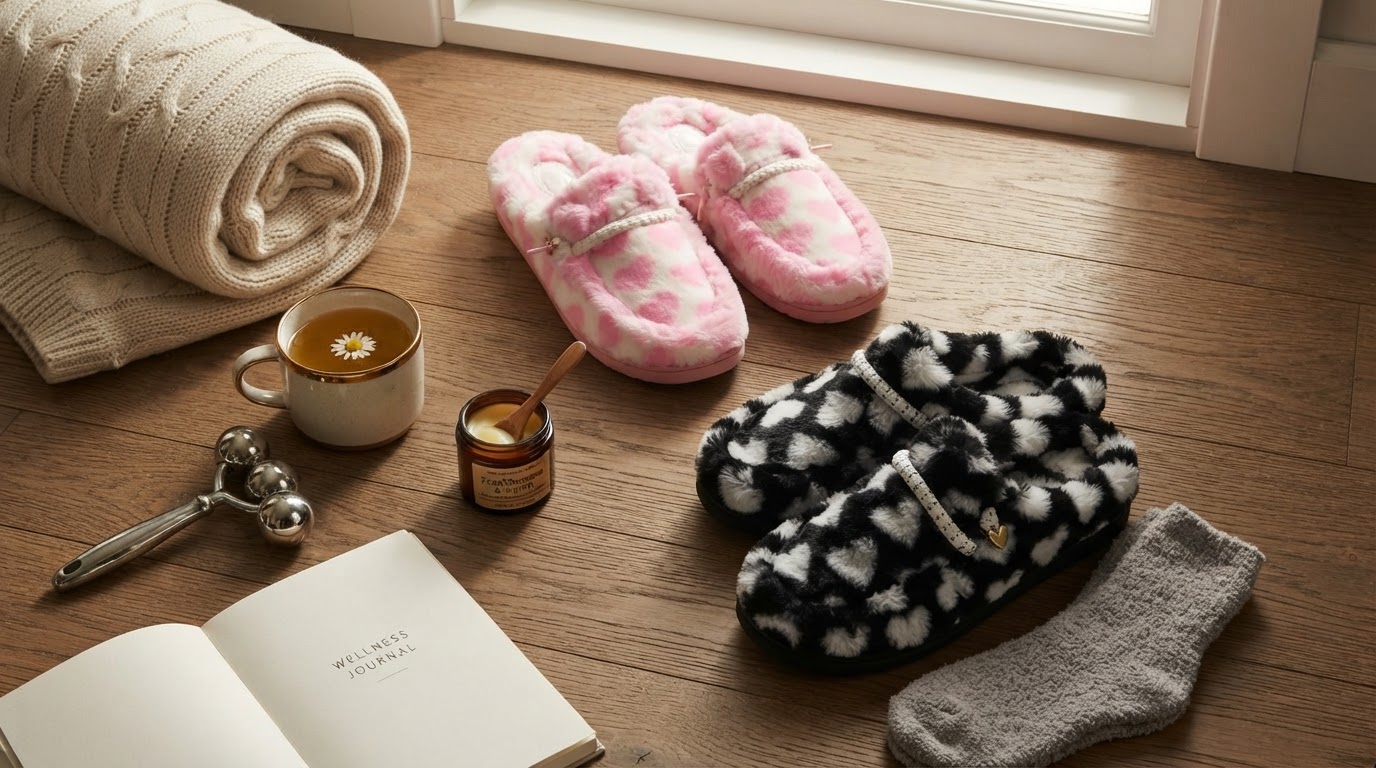
Wendy House Slippers for Plantar Fasciitis Pain
 Maya ChenContributing Editor
September 1, 2026. This analysis examines the biomechanical requirements for alleviating heel pain through targeted footwear design. It is intended for consumers navigating the intersection of home comfort and podiatric necessity.
The Mechanical Failure of Traditional House Shoes
The conventional wisdom says that soft, pillowy slippers are the antidote to sore feet after a long day. However, for the millions suffering from plantar fasciitis, this reliance on unstructured cushion is a mechanical error. Plantar fasciitis is an inflammation of the thick band of tissue that runs across the bottom of each foot and connects the heel bone to the toes. When you walk on hard surfaces like hardwood or tile without support, that fascia is subjected to repetitive micro-tears. According to Orthofeet, specialized slippers for this condition must be built to help reduce heel pain and provide the specific support your feet need throughout the day. The consensus among many retailers is to offer maximum plushness, but physics dictates that without a neutral alignment, plushness simply leads to foot fatigue.
Here's the part nobody talks about: most "comfort" slippers actually exacerbate heel pain by allowing the medial longitudinal arch to collapse. When the arch collapses, the plantar fascia stretches beyond its capacity. Forbes reports that the best slippers for plantar fasciitis, such as the Crocs Classic Cozzzy Clogs, succeed not just because of their fuzzy lining, but because their roomy fit lets the foot relax without forcing it into an odd, restrictive shape. While many consumers seek out orthopedic house shoes for women, they often overlook the fact that a slipper must provide a firm foundation to prevent the heel from tilting inward, a motion known as overpronation. Without a deep heel cup and a structured outsole, a slipper is merely a sock with a thin layer of foam, offering zero therapeutic value for chronic inflammation.
Wendy House Slippers and the Memory Foam Variable
Photo by cottonbro studio on Pexels
Wendy House Slippers addresses the specific needs of the home environment by utilizing high-density memory foam that resists the immediate compression seen in cheaper alternatives. While standard slippers often bottom out within weeks, the construction here focuses on maintaining a buffer between the calcaneus (heel bone) and the floor. The integration of slippers with arch support for home use is critical because the home is where most people spend their time barefoot or in inadequate footwear. Research into the brand's user data shows a high volume of interest in washable bedroom slippers, suggesting that durability and hygiene are as important to the consumer as the initial feel of the foam.
Run the math: if you spend six hours an evening at home on hard surfaces, you are subjecting your feet to thousands of unsupported strikes. Wendy House Slippers utilizes a specific density of memory foam that aims to distribute pressure across the entire plantar surface rather than concentrating it on the heel. This is a departure from the "recovery slide" trend, which often uses overly soft LiteRide or similar foams that lack the lateral stability required for those with severe arch descent. For those seeking cozy arch support slippers, the goal is to find a balance where the material yields enough for comfort but remains rigid enough to maintain the foot's natural curvature. The brand's focus on a stable, non-slip outsole further ensures that the foot isn't straining to maintain grip on slick floors, which is a hidden contributor to fascia strain.
A Framework for Therapeutic Slipper Selection
Selecting a slipper for plantar fasciitis should not be a subjective aesthetic choice; it is a functional decision based on structural integrity. Many consumers are distracted by shearling linings or trendy silhouettes while ignoring the actual drop and arch height of the footbed. Vionic, a leader in the space, emphasizes that moccasins and clogs stand out as popular choices because they offer steadfast support that open-back scuffs often lack. When evaluating your next pair, use this specific checklist to ensure the footwear meets the demands of an inflamed plantar fascia:
- Heel Seat Depth: The slipper must have a contoured heel cup to stabilize the calcaneus and prevent lateral shifting.
- Structural Rigidity: The sole should not be easily twisted or folded in half; a firm midsole is required to support the arch.
- Impact Absorption: Look for high-density memory foam or EVA that does not immediately compress to the floor level.
- Toe Box Width: Ensure there is sufficient room for toe splay, which helps in natural weight distribution.
- Outsole Traction: A rubberized base is necessary to prevent micro-slips that cause the foot muscles to tense involuntarily.
Shop Wendy House Slippers here.
Sources
Photo by https://kaboompics.com/ on Pexels
- Best House Slippers for Plantar Fasciitis
- 7 Best Arch Support Slippers for Foot Pain
- Women's Slippers for Plantar Fasciitis