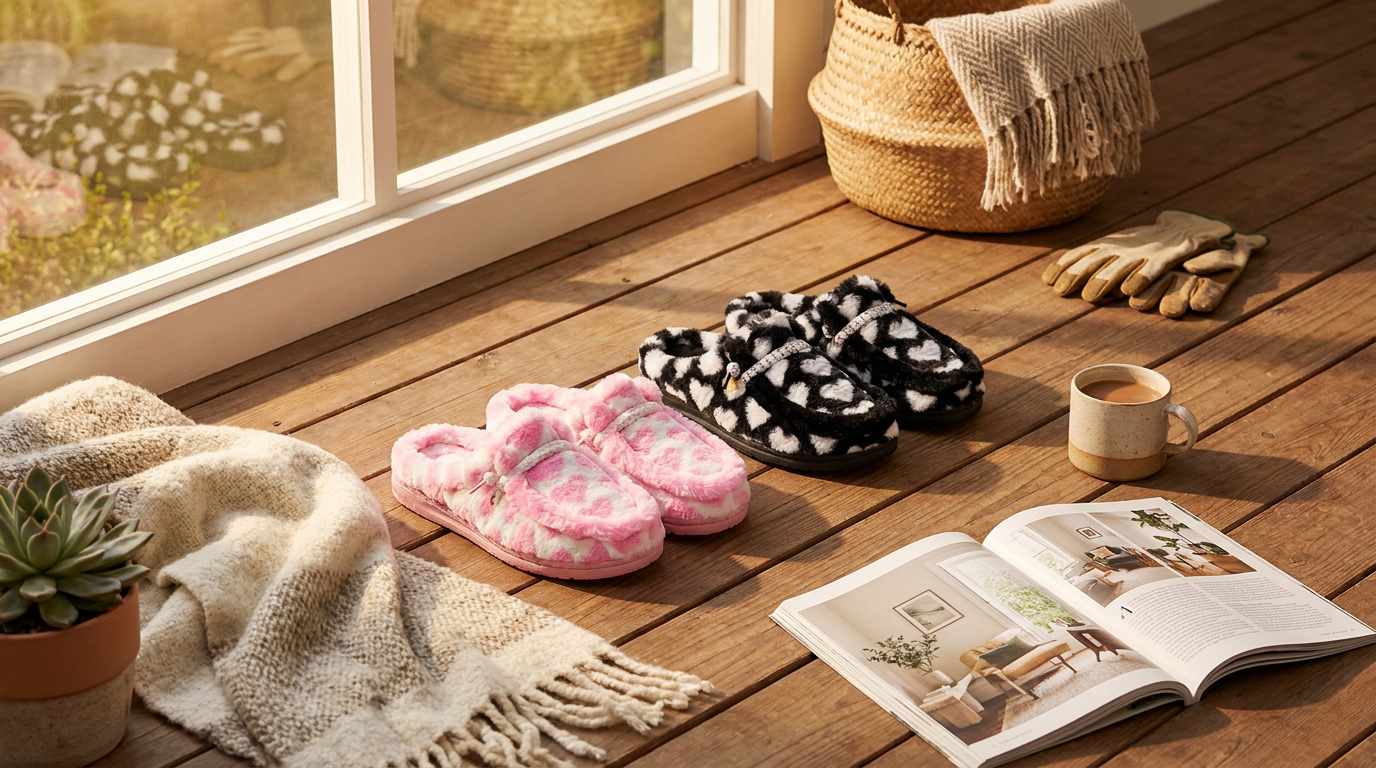
Wendy House Slippers for Indoor and Outdoor Versatility
 Priya RamanSenior Analyst
July 1, 2026. This analysis evaluates the technical specifications and functional utility of the Wendy House Slippers series for modern consumers. It serves as a comprehensive resource for those seeking a balance between thermal insulation and structural support in home footwear.
To understand the utility of this footwear, think of it as a matrix of thermal retention versus structural durability. Two axes matter here: the material density of the upper and the tensile strength of the outsole. High-performance indoor footwear must navigate the tension between the softness required for recovery and the rigidity needed for brief outdoor excursions. By mapping these variables, we can categorize the Wendy series not just as a seasonal accessory, but as a specialized tool for domestic ergonomics. This framework allows for a more nuanced selection process that goes beyond aesthetics to prioritize foot health and longevity.
The Evolution of Hybrid Indoor Footwear
The traditional house shoe has long suffered from a lack of structural integrity, often failing to provide the support necessary for extended wear on hard internal surfaces like tile or hardwood. According to Academy Sports, the modern iteration of Wendy House Slippers addresses this by incorporating lightweight, flexible outsoles that mirror the construction of standard walking shoes while maintaining a focus on comfort. This shift in design philosophy acknowledges that the boundary between indoor and outdoor environments is increasingly fluid. Consumers frequently require footwear that can transition from a living room setting to a patio or driveway without a change in equipment.
When evaluating the Wendy House Slippers within the broader market, the primary challenge is maintaining heat without causing perspiration. Traditional synthetic materials often trap moisture, leading to discomfort and material degradation over time. The introduction of faux-shearling and sherpa-lined interiors represents a specific response to the need for breathable insulation. Because these materials mimic the properties of natural wool, they offer a high warmth-to-weight ratio. As noted by HEYDUDE, the Wendy Slipper utilizes a cozy sherpa upper that remains soft as a cloud while utilizing the same proven outsole geometry found in their standard Wendy line. This consistency in the "bottom unit" ensures that users who are already accustomed to the brand's ergonomic profile do not have to adjust to a new gait pattern when switching to a dedicated house shoe.
Technical Specifications and Material Performance
Photo by KATRIN BOLOVTSOVA on Pexels
The construction of Wendy House Slippers is defined by three specific layers: the outer shell, the insulation layer, and the traction system. The faux-fur or faux-shearling uppers serve as the primary thermal barrier. These materials are selected for their ability to maintain loft even after repeated compression. Unlike standard foam-based slippers that lose their shape within weeks, the structural reinforcement in the Wendy line aims for a longer lifecycle. This is particularly evident in the integration of removable foam insoles. These insoles, often featuring a sherpa footbed, provide a secondary layer of cushioning that can be replaced or cleaned, effectively extending the hygienic life of the slipper.
Data from TikTok product demonstrations by HEYDUDE highlights specialized variants such as the Leo Fur and Wendy Heart editions, which utilize these same technical foundations while varying the aesthetic finish. The core utility remains the same: a slip-on design that facilitates ease of use for those with mobility considerations or those who simply value convenience. The hard sole is a critical differentiator. As highlighted in a HEYDUDE Facebook video, the inclusion of a durable outsole allows users to be in and out of the house frequently without risking damage to the slipper's structural integrity. This hard-sole feature transforms the product from a simple sock-alternative into a legitimate piece of functional footwear. When browsing the Wendy House Slippers collection, the presence of this outsole is often the deciding factor for users with active domestic lifestyles. Once you see it this way, the distinction between a "slipper" and a "slip-on shoe" becomes a matter of material finish rather than mechanical capability.
Decision Framework for Slipper Selection
Selecting the appropriate model within the Wendy House Slippers ecosystem requires an assessment of environmental factors and personal physiological needs. The decision rule: prioritize outsole hardness if you anticipate frequent outdoor transitions, and prioritize lining density if your primary goal is thermal regulation in sedentary environments. For those navigating cold climates, the Timber Wolf or sherpa-heavy models offer the highest thermal resistance. Conversely, for those in more temperate zones, the standard Wendy House Slippers provide sufficient warmth without the risk of overheating.
Before finalizing a purchase, consider the following checklist to ensure the model aligns with your specific requirements:
- Assess the primary walking surface: Hardwood and tile require the impact absorption found in the foam insoles of the Wendy House Slippers line.
- Determine outdoor frequency: Ensure the model features the signature hard outsole if you intend to wear them on concrete or gravel.
- Evaluate thermal needs: Choose faux-shearling for maximum warmth or standard textile uppers for year-round breathability.
- Check for maintenance features: Confirm the presence of removable insoles for easier cleaning and longevity.
- Verify fit preferences: The slip-on nature of the Wendy design typically accommodates a variety of foot shapes, but the faux-fur lining may require a brief break-in period to reach optimal volume.
Shop Wendy House Slippers here: https://wendyhouseslippers.com
Sources
Photo by Karen Laårk Boshoff on Pexels
- Wendy Slipper - HEYDUDE
- The WENDY slipper is back | HEYDUDE - Facebook
- HEYDUDE Women's Wendy Slippers - Academy Sports