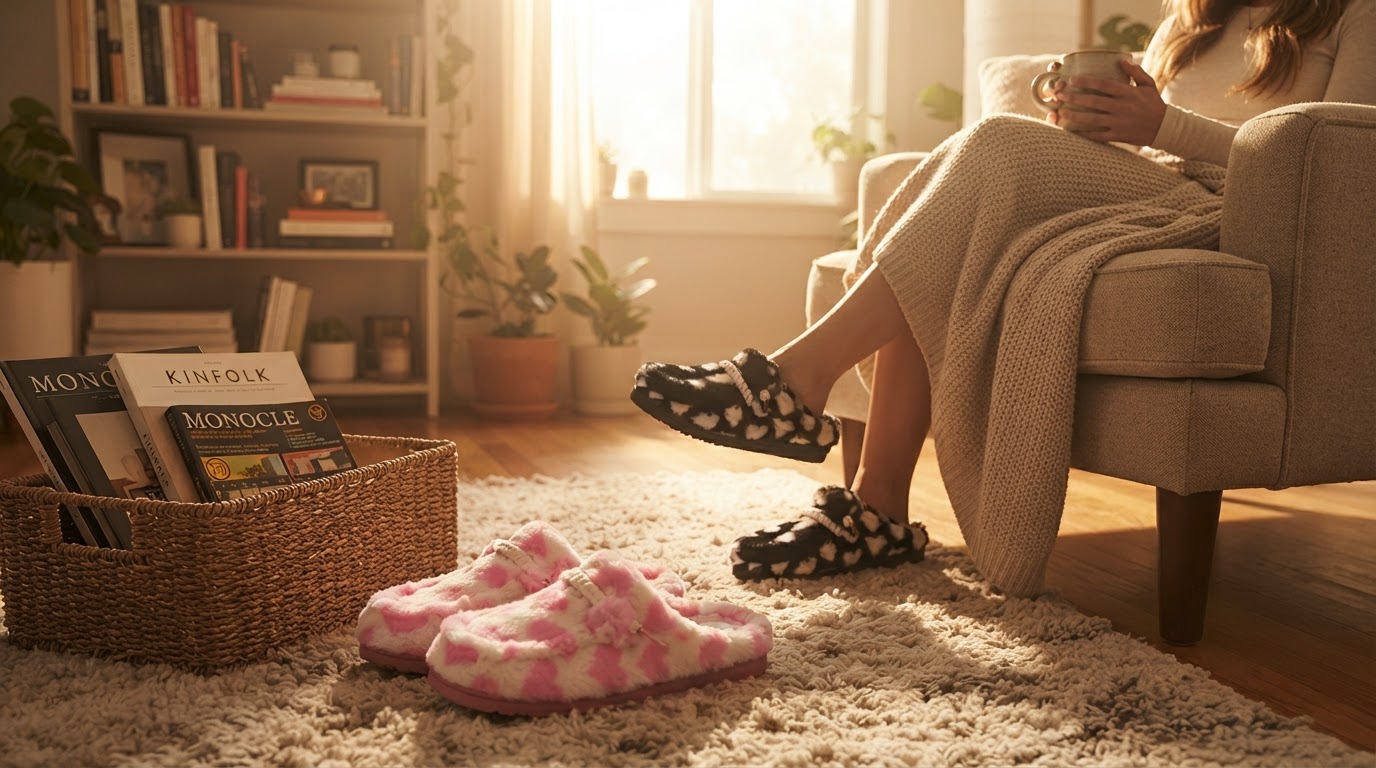
Lightweight House Shoes with Arch Support for Home
 Maya ChenContributing Editor
The moment you step through your front door, your outdoor shoes come off. But what comes next? For many, it’s walking barefoot or in flimsy socks on hard, unforgiving floors. While it feels liberating, this daily habit can lead to foot fatigue, discomfort, and even chronic pain. Your home has become your office, gym, and sanctuary, and the surfaces you walk on all day—hardwood, tile, or laminate—offer zero shock absorption. This is where the ideal house shoe makes a difference. It’s not just a covering, but a tool for wellness that provides two critical features: robust arch support and a featherlight construction. At Wendy House Slippers, we’ve mastered this balance, creating footwear that supports your foundation so you can feel your best at home.
Why Arch Support is Non-Negotiable at Home
Your foot’s arch is a natural shock absorber, designed to distribute weight and propel you forward. For millennia, humans walked on soft, uneven terrain like earth and sand, which naturally engaged and strengthened the foot's muscles. Modern hard floors do the opposite. They force your foot to flatten, causing the arch to strain with every step.
This repetitive stress is a primary cause of painful conditions like plantar fasciitis, an inflammation of the ligament connecting your heel to your toes. According to the Cleveland Clinic, inadequate foot support is a major risk factor for this condition [Source]. Over time, a lack of support can also contribute to general foot fatigue, Achilles tendonitis, and even pain in your knees and back due to poor alignment.
Who Needs Supportive House Shoes?
While everyone benefits from better foot alignment, some groups feel the difference more immediately:
- Individuals with Foot Conditions: Anyone with plantar fasciitis, flat feet, or high arches will find significant relief. For these users, orthopedic house shoes with arch support aren't a luxury, but a necessity for daily comfort.
- People Who Stand Frequently: If you work from a standing desk, cook for hours, or are always on your feet doing chores, proper arch support can dramatically reduce end-of-day soreness.
- The Health-Conscious: Wearing supportive slippers is a proactive way to maintain long-term joint health and prevent future foot problems from developing.
The 'Lightweight' Factor: Support Without the Burden
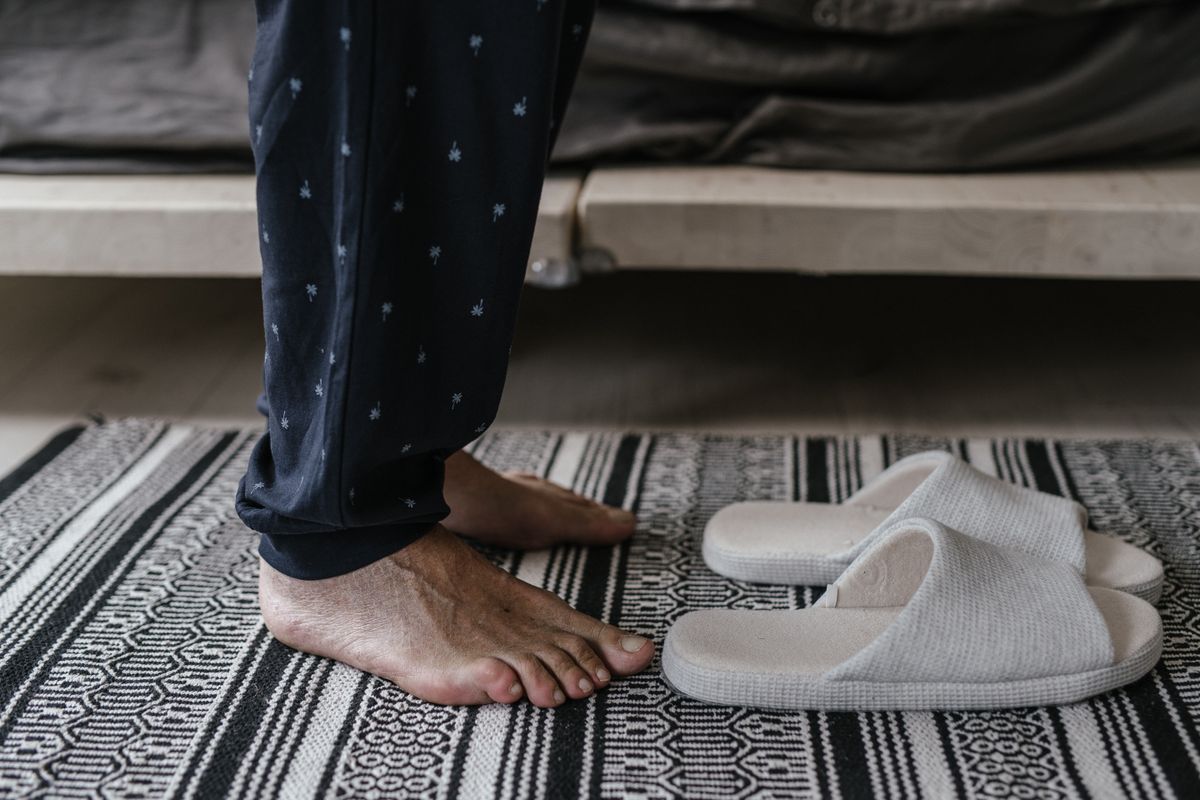
Photo by SHVETS production on Pexels
Arch support is only half the equation. If a slipper is heavy and clunky, you won't wear it consistently, defeating the purpose. The goal of a great house shoe is to provide support so seamlessly that you forget you're even wearing it.
Heavy slippers can cause your leg muscles to work harder just to lift them, leading to fatigue and a clumsy gait. A lightweight design, however, encourages all-day wear, enhances your agility around the house, and improves safety on stairs. Lightweight materials are also often more breathable, which means better foot hygiene and less sweat.
A Buyer's Checklist for the Perfect Pair
When shopping for lightweight house shoes with arch support, you need to know what to look for. True innovation lies in combining these two features using modern materials like EVA foam—the same lightweight, shock-absorbing material found in high-performance running shoes.
Here’s a quick checklist to guide you:
Wendy House Slippers: The Intersection of Comfort and Support
Photo by Kate McNeil on Pexels
We founded Wendy House Slippers to fill a crucial gap in the market: a house shoe that treats foot health as a priority without sacrificing style or lightweight comfort. Our design philosophy is built on the belief that indoor footwear should be a tool for daily wellness.
Every pair of Wendy House Slippers is engineered to deliver on this promise. Our signature contoured footbed is crafted from a proprietary lightweight EVA foam that provides unwavering arch support and shock absorption. Paired with a deep heel cup, this design helps stabilize your foot and align your body from the ground up, reducing stress on your feet, ankles, and knees. You get therapeutic benefits without feeling weighed down. To see how they hold up to daily life, you can read a detailed Wendy House Slippers performance review.
To keep your slippers feeling fresh and supportive, proper care is key. For simple cleaning instructions, check out our guide on how to care for washable memory foam slippers.
Investing in a pair of high-quality, supportive house shoes is an investment in your overall well-being. It’s a simple change to your daily routine that can yield significant benefits in comfort, energy, and long-term health.
Frequently Asked Questions
Do house shoes really need arch support?
Yes. Hard, flat indoor floors provide no natural support, forcing your foot's arch to absorb 100% of the impact from walking. Over time, this can lead to strain and conditions like plantar fasciitis. House shoes with arch support help distribute this pressure, promote proper alignment, and reduce fatigue.
Are Wendy House Slippers good for plantar fasciitis?
Many users find significant relief from plantar fasciitis symptoms when wearing Wendy House Slippers. Our design incorporates a firm, contoured arch support and a deep heel cup, which are two key features recommended for managing the condition. By supporting the arch and stabilizing the heel, our slippers help reduce stress on the plantar fascia ligament.