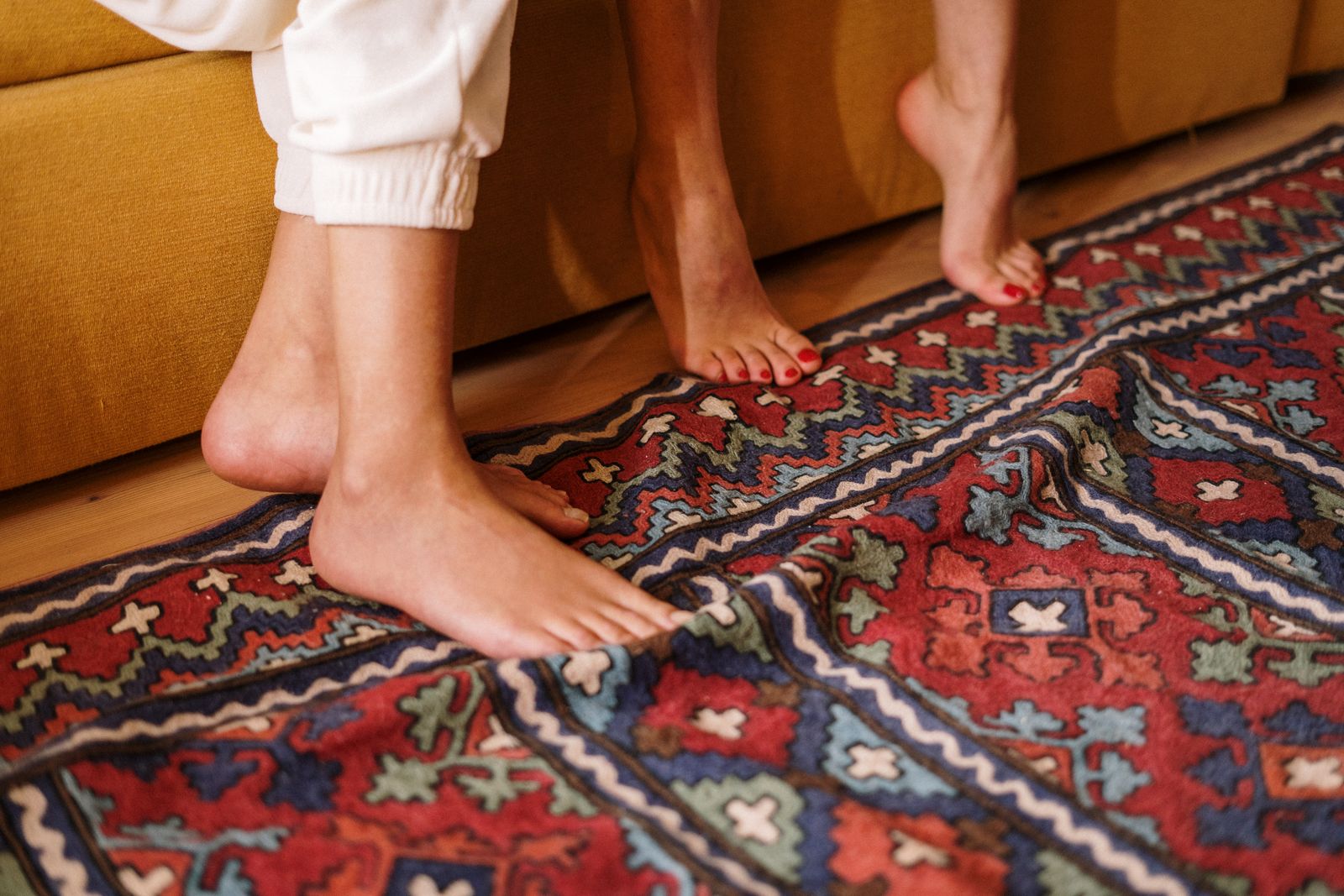
5 Gentle At-Home Evening Rituals to Soothe Sore, Tired Feet
Sore feet at the end of a long day respond best to three things: getting weight off them, moving the small joints and muscles gently, and keeping them warm and cushioned for the rest of the evening. A twenty-minute routine built from an elevation break, a warm soak, a short self-massage, a few easy stretches, and a switch into soft indoor footwear covers all three. None of it requires equipment beyond a towel, a bowl, and a tennis ball.
Below are five rituals that fit together, in the order that works best.
Why evening matters for tired feet
By late afternoon, feet have absorbed thousands of impacts and have been carrying load for hours. Fluid has pooled in the lower legs, small stabilizing muscles in the arch have been working continuously, and the tissue along the sole has had no chance to recover. Most people respond by sitting down and doing nothing, which helps, and leaves most of the available benefit on the table.
The evening window matters for a second reason. Whatever you do to your feet in the last few hours of the day is what they carry into the morning. Feet that finish the day warm, moved, and cushioned tend to produce noticeably less first-thing-in-the-morning stiffness.
Ritual 1: The twenty-minute elevation break
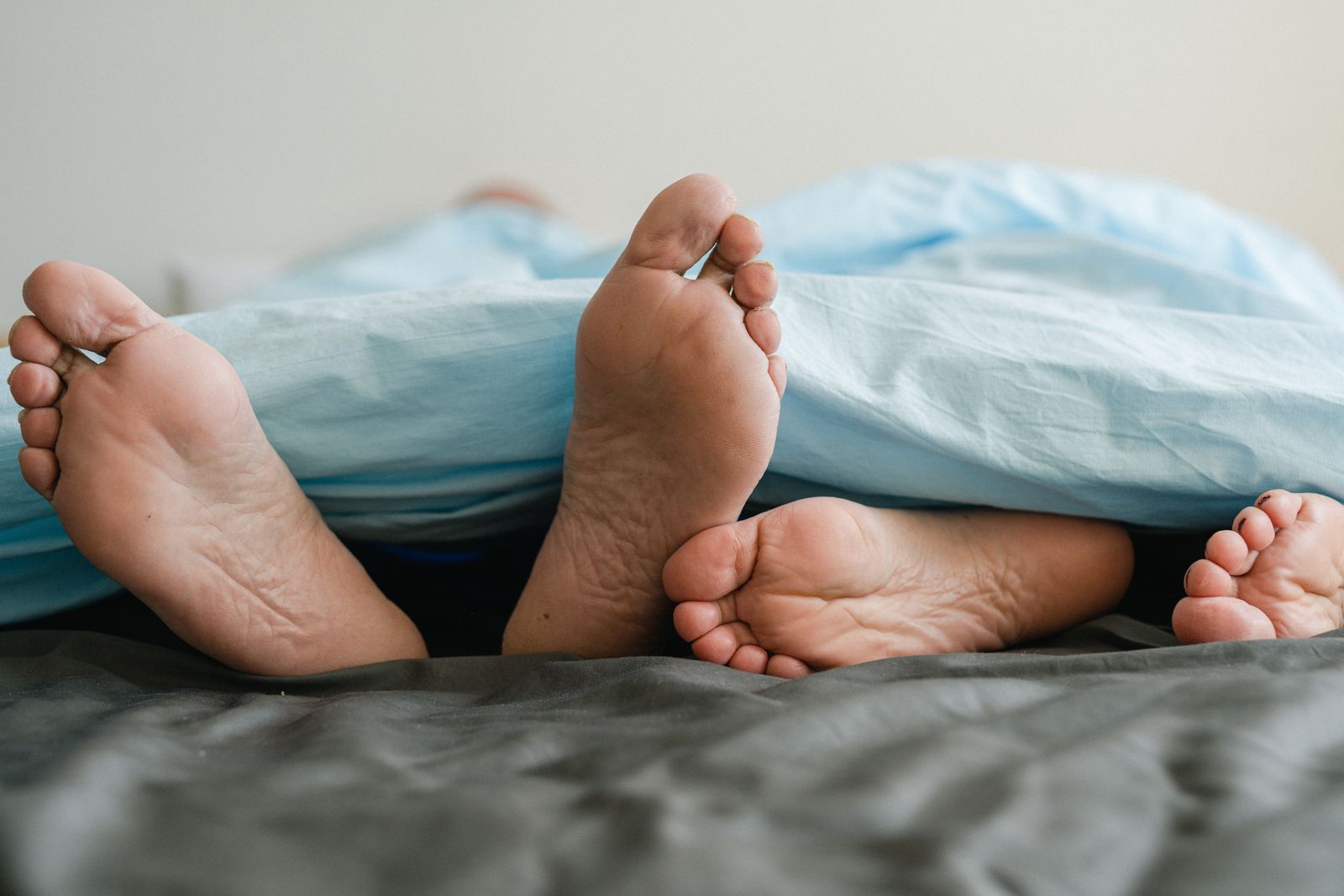
Photo by SHVETS production on Pexels
Do this first, before anything else, ideally within an hour of finishing your day.
Elevation lets gravity help drain the fluid that has accumulated through the day, and the ankle movement gives the calf muscles something to do, which assists that drainage. This is the highest-value item on the list and the one most people skip because it looks too simple to matter.
Ritual 2: A warm soak, kept simple
Warm water relaxes tissue, and the ritual of it signals the end of the day. Ten to fifteen minutes is plenty.
- Fill a basin with comfortably warm water, not hot. Test with a hand or elbow first, and keep it moderate, particularly if you have any reduced sensation in your feet.
- A couple of tablespoons of Epsom salt is a common addition. The benefits people report are mostly about warmth and relaxation rather than anything absorbed through the skin, and it is harmless.
- Dry your feet thoroughly afterward, especially between the toes. This step is not optional. Damp skin between the toes is where most household foot problems begin.
- Follow with a plain moisturizer on the heels and soles, avoiding between the toes.
Ritual 3: Five minutes of self-massage
This is where a tennis ball earns its place.
Rolling works because the tissue along the bottom of the foot spends the whole day being loaded in one direction. A few minutes of pressure and movement across it changes that pattern. Keep it firm and comfortable — pain is a signal to ease off, not to push through.
Ritual 4: Three stretches that target the right places
Hold each for thirty seconds, twice per side, and breathe normally throughout.
Calf stretch at a wall. Hands on the wall, one foot back with the heel down, back leg straight. Tight calves increase the load carried by the bottom of the foot, so this one helps the feet indirectly.
Seated towel stretch. Sitting with one leg straight, loop a towel around the ball of the foot and pull the toes gently toward you. This lengthens the tissue along the sole and the back of the ankle.
Toe spread and curl. Sitting, spread the toes apart as wide as you can, hold five seconds, then curl them under, hold five seconds. Repeat ten times. Small foot muscles rarely get worked deliberately, and this costs nothing.
Ritual 5: Switch into soft indoor footwear for the rest of the evening
The first four rituals give your feet a good half hour. This one protects the remaining four.
After a soak and a massage, walking barefoot on tile or hardwood for the rest of the evening undoes a fair amount of the benefit, because every step on a hard surface returns impact to a foot you just spent time relieving. Changing into something soft and light keeps the recovery going while you cook, tidy up, and settle in.
What matters in a slipper for this purpose:
- A soft footbed the full length of the foot, so cushioning is there for the ball of the foot as well as the heel.
- Low weight, because tired feet notice everything they have to lift, and light footwear gets worn for the whole evening rather than twenty minutes.
- Easy slip-on, so the change happens without a second thought.
- A plush surface against bare skin, since most people wear house slippers without socks after a soak.
Fitting the routine to the time you have
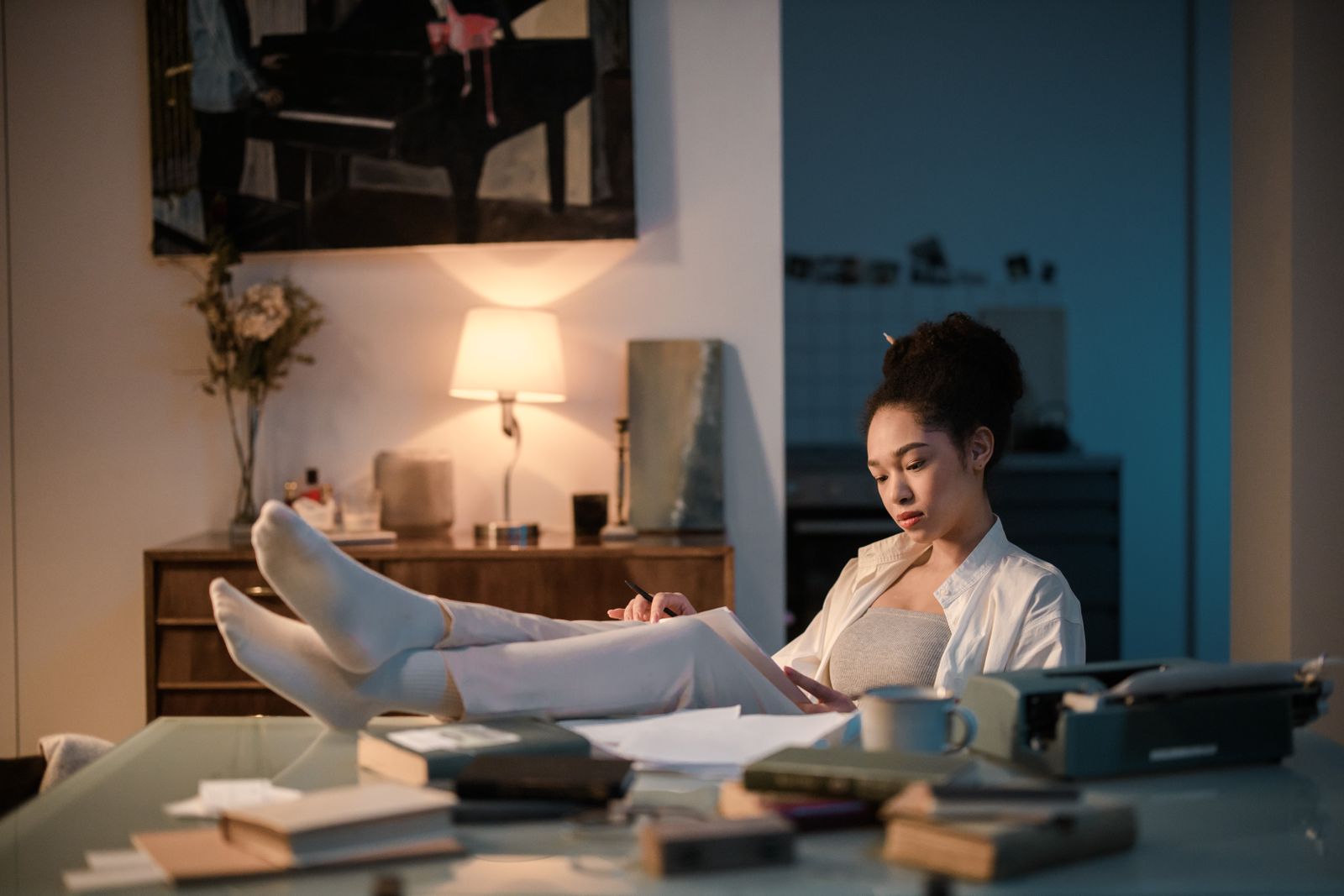
| Time available | What to do | Best for | |---|---|---| | 5 minutes | Tennis ball roll plus the toe spread | A quick reset mid-evening | | 10 minutes | Elevation with ankle circles | Swollen, heavy-feeling feet | | 20 minutes | Elevation, then stretches, then slippers on | A standard long day on your feet | | 35 minutes | The full five rituals in order | After an unusually hard day | | Ongoing | Cushioned indoor footwear for every step | The habit that reduces how sore you get in the first place |
The full sequence works best in the order given: elevate, soak, massage, stretch, then change into slippers. Recovery for people who are on their feet all day is discussed further in the case for slippers as post-work relaxation.
When soreness needs more than a routine
An evening routine is for ordinary fatigue. Some signs call for a professional look rather than a tennis ball:
- Pain that is sharp, stabbing, or localized to a single tender spot
- Swelling in one foot only, or swelling that does not resolve overnight
- Numbness, tingling, or burning
- Pain that has been getting worse over weeks
- Any sore, wound, or skin change that is slow to heal, particularly with diabetes or circulation problems
FAQ
How often should this routine be done? The five-minute pieces can be done nightly with no downside. The full sequence suits the harder days. Consistency matters more than duration, and a short routine done most nights beats a long one done occasionally.
Is hot or cold better for sore feet? Warm suits general end-of-day fatigue, since it relaxes tissue and feels restorative. Cold is more suited to a specific area that feels inflamed after unusual activity. Alternating is popular and mostly a matter of preference for ordinary soreness.
Do slippers really make a difference at the end of the day? The mechanism is straightforward. Every step on a hard floor sends impact into a foot that has already absorbed a full day of it, and a cushioned layer lowers that impact. The effect is small per step and considerable across four hours of an evening.
Can these stretches be done in the morning instead? Yes, and the calf stretch and towel stretch are especially useful before the first steps out of bed for anyone with morning heel stiffness. Evening and morning both work, and doing a little at each end of the day is better than a lot at one.
A practical next step
Start with the twenty-minute elevation break tonight, then put on something soft and light and keep it on for the rest of the evening. That pairing takes almost no effort and covers the two things sore feet need most — time without load, and no more hard-floor impact once the recovery has started. Add the massage and stretches once the first habit sticks.
Cover photo by cottonbro studio on Pexels.