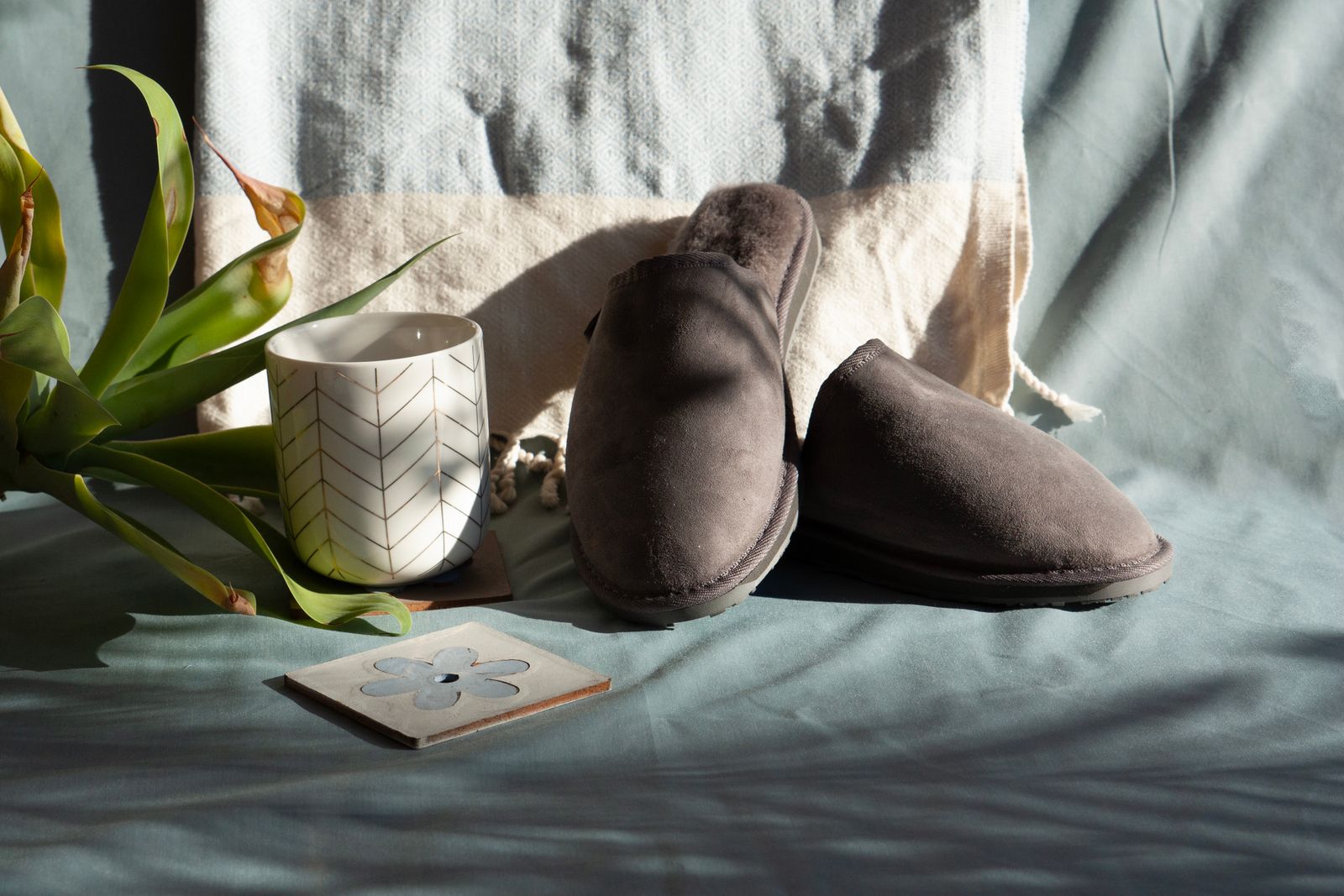
Machine Wash vs. Hand Wash: What Is Best for Soft Indoor Slippers?
Hand washing is better for soft indoor slippers in almost every case. It cleans the parts that actually get dirty, keeps the plush pile standing, and avoids the two things that damage slippers most — hard agitation and a high-speed spin. Machine washing is worth using only when the care label on your pair permits it and you need to clean several pairs at once, and even then it should be run on a cold delicate cycle inside a mesh bag.
Why the two methods produce different results
A washing machine cleans by moving fabric against fabric. That mechanical action is efficient on flat woven items and clumsy on pile fabric, because it tangles the standing fibers that create softness. The final spin then presses and creases the fabric backing at high force, which is where distorted shapes and permanent flat patches come from.
Hand washing substitutes water flow for agitation. Squeezing pushes clean, mildly soapy water through the pile, lifting skin oil and dust out while leaving fibers pointing roughly where they started. The cleaning is at least as thorough on the surfaces that matter, and the recovery afterward is much better because you control every stage.
There is a second difference that gets overlooked. Slippers are dirtiest on the inside footbed, and a machine cycle reaches that area least effectively because water passes around a slipper more readily than through its lining. Ten seconds of rubbing that lining between finger and thumb accomplishes more than a full cycle.
Side-by-side comparison
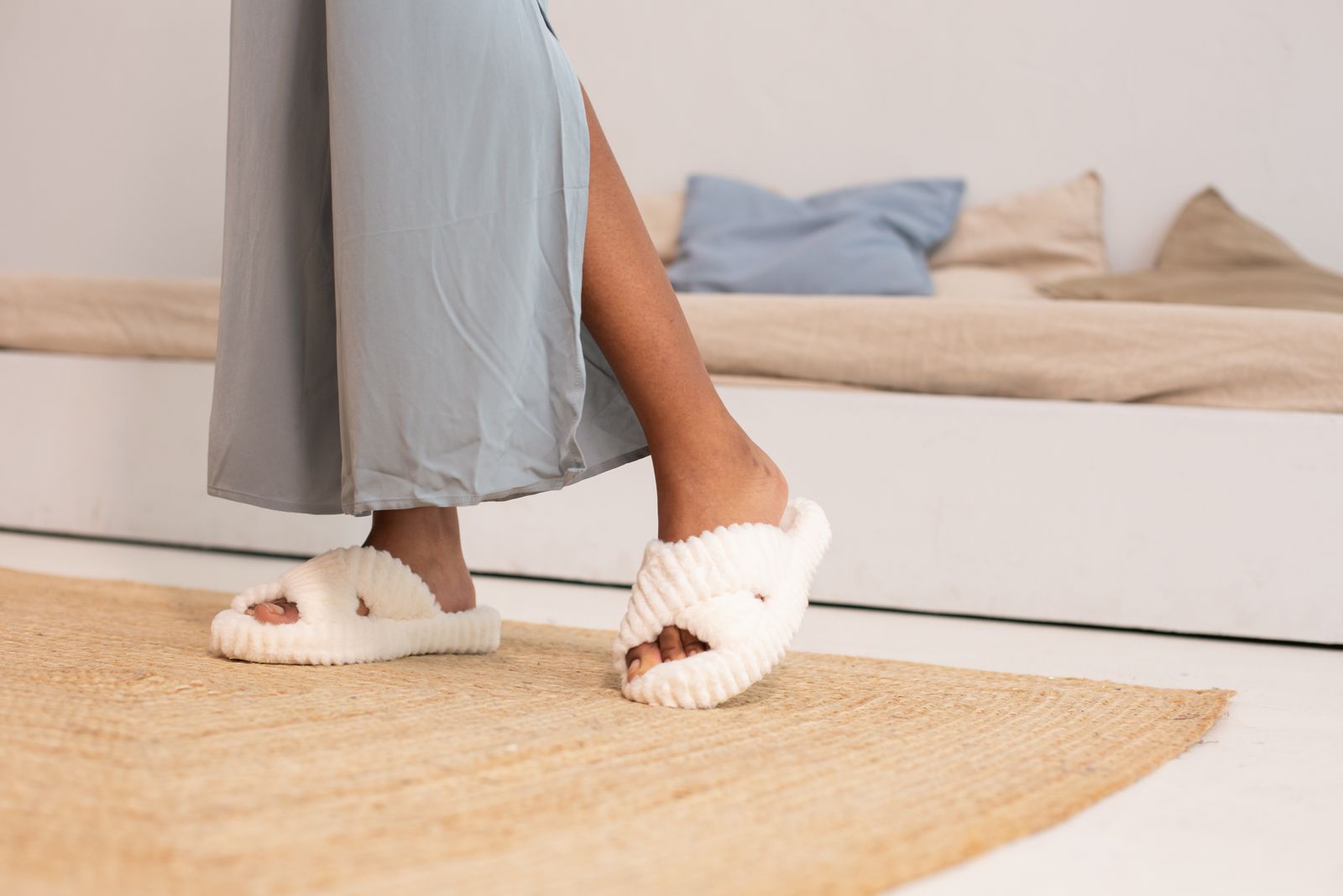
Photo by KATRIN BOLOVTSOVA on Pexels
| Factor | Hand washing | Machine washing | |---|---|---| | Effect on plush pile | Minimal tangling; pile brushes back up easily | Noticeable matting, worse with each cycle | | Shape retention | Very good, since nothing is spun | Spin can crease and distort the backing | | Cleaning the inside lining | Excellent, because you work it directly | Weakest area of the cycle | | Risk to sole adhesive | Low with cool water | Higher, especially with warm water | | Active time required | About 15 minutes | About 5 minutes | | Total time including drying | Similar; drying dominates either way | Similar | | Suitable for several pairs | Slow | Efficient | | Best cycle or method | Cool water, mild detergent, squeeze and rinse | Cold delicate, mesh bag, no spin or lowest spin | | Main failure mode | Detergent left in the pile | Heat and agitation fusing fibers |
When machine washing is a reasonable choice
Three conditions should all be true. First, the care label on your pair specifically allows machine washing, since construction and adhesives vary between styles and the label is the only authority on yours. Second, you can run a cold delicate or hand-wash cycle with the spin turned down or off. Third, the slippers go into a mesh laundry bag or a zipped pillowcase, which limits how much they tumble against the drum.
Add a few towels to the load as padding. This is not about the towels getting clean; it stops slippers from slamming against the drum wall and cushions the whole cycle. Use a small amount of mild liquid detergent, skip fabric softener entirely because it coats pile and causes the matting it claims to prevent, and never use bleach on soft fabric.
Then treat the finish as its own job. Take the slippers out immediately, press the water out in a towel rather than wringing, stuff the openings to hold their shape, and air dry with airflow instead of heat. Brush the pile up while it is barely damp. The step-by-step machine version is laid out in how to clean machine washable indoor slippers.
When hand washing is clearly the right call
Choose hand washing when any of the following applies, which covers most situations:
- The care label does not mention machine washing, or there is no readable label
- The pile is already showing signs of flattening
- There is a specific mark or spill rather than general grubbiness
- The slippers are lightweight and thin, so a full cycle is unnecessary force
- Only one pair needs cleaning
- The sole is glued rather than stitched to the upper
- You want the softest possible result
Lightweight slip-on styles built on soft plush fabric, including Wendy House Slippers, fall squarely in this group. There is little bulk to work through, so a basin does the job quickly, and thin construction dries considerably faster than padded house shoes. The plush-specific technique is detailed in how to wash soft house slippers without damaging plush fabric.
The correct procedure, either way
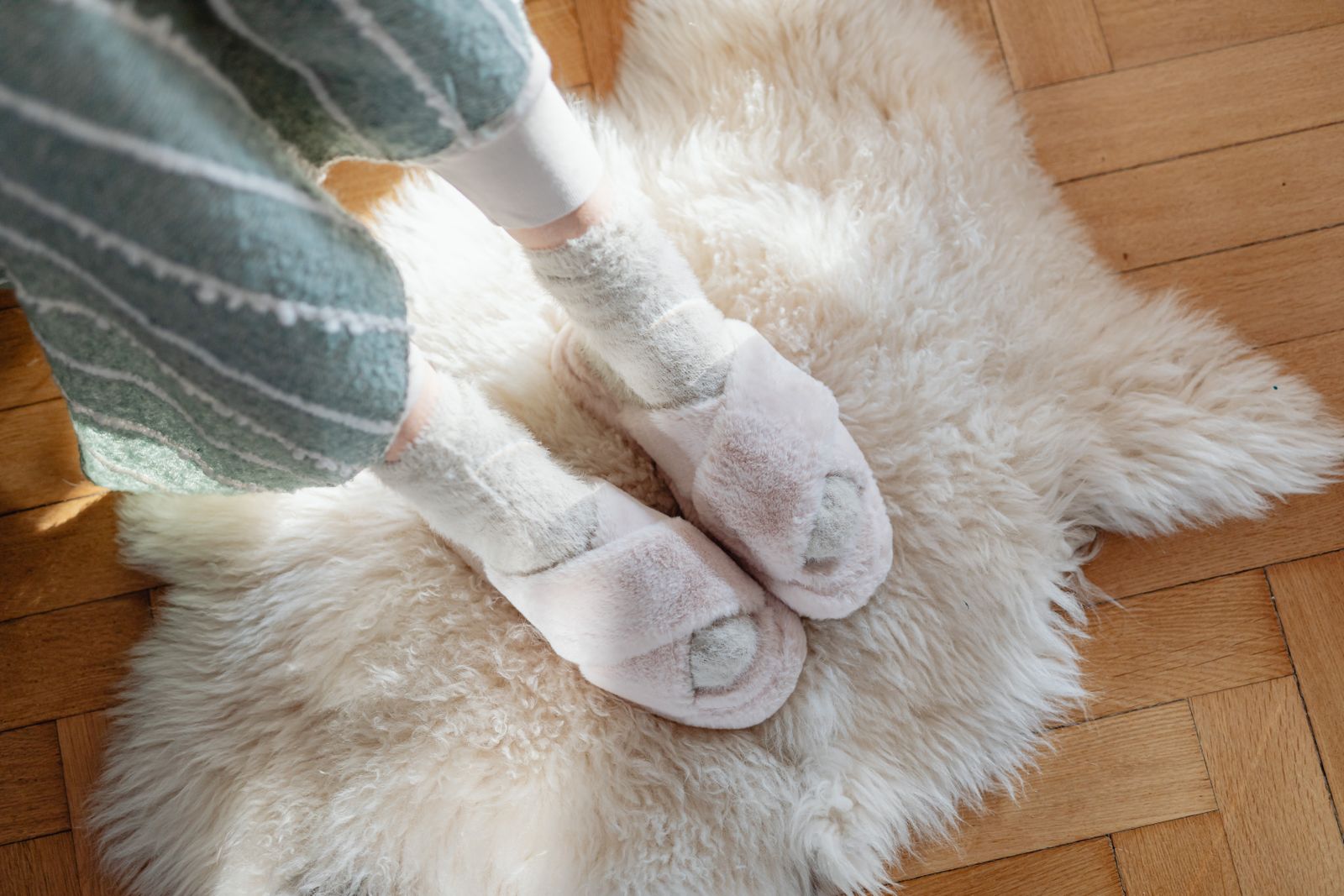
Photo by https://kaboompics.com/ on Pexels
Where most damage actually happens
Neither washing method causes most slipper damage — drying does. High heat fuses synthetic plush fibers into a texture that no brushing recovers, and it is the one mistake in this whole process that cannot be undone. A slipper machine washed on cold and then air dried carefully will come out better than one hand washed and then put on a radiator.
Frequency is the second hidden factor. Every wash loosens a small amount of fiber, so a slipper washed weekly wears out faster than one washed every four to six weeks with a quick brushing in between. Spot cleaning a single mark, airing slippers out between wears, and leaving baking soda inside overnight before vacuuming it out all extend the interval between full washes. The drying pitfalls are covered in more depth in why air-drying is ruining your washable memory foam slippers.
Frequently asked questions
Will one machine wash ruin plush slippers? Almost certainly not. A single cold, gentle cycle in a mesh bag followed by careful air drying is usually fine. The damage from machine washing is cumulative, which is why it makes a poor default for a pair worn every day.
Can slippers go in the dryer on low? Air-only or no-heat tumbling is tolerable and can help lift pile. Any warm setting risks permanent matting and can weaken the bond between the sole and the upper. Air drying with a fan is safer and takes about the same amount of time.
Which method is better for odor? Both handle odor equally well, because odor comes from moisture in the lining rather than from surface dirt. Drying the interior all the way through is what actually fixes it. Press the back of your hand into the footbed and hold it there — if it feels cool, the core is still damp.
Is a laundry pod acceptable for washing slippers? Use liquid detergent instead. Pods release a concentrated dose that is hard to disperse and hard to rinse fully out of pile, and residue trapped in plush is exactly what produces a stiff, scratchy surface.
The practical next step is to find the label inside your slippers and let it decide the method — then commit to the drying routine either way, since that is where the real difference in outcome lives.
Cover photo by Karen Laårk Boshoff on Pexels.