
Slippers for Student Halls and Shared Flats: What Actually Works
In student halls and shared flats you need two separate things on your feet, not one: a pair of waterproof shower sandals for the communal bathroom, and a soft indoor pair for your room and the corridor. Trying to make one pair do both jobs is the mistake almost everyone makes in first year, and it ends with wet slippers by week three.
This guide compares what actually works in shared accommodation, where the constraints are different from a family home: a room the size of a parking space, a bathroom you share with strangers, laundry you pay for, and walls that transmit every footstep.
Why do shared bathrooms change the answer?
Because anything absorbent that goes into a communal shower stays damp, and a damp pair in a small unventilated room is a problem you will notice.
Keep the two roles strictly separate:
- Shower sandals or flip-flops for the bathroom trip. Rubber or plastic, nothing absorbent, rinsed and left somewhere they can drain.
- Soft indoor slippers for your room, the corridor, and the kitchen. Never worn into a shower.
What footwear do you actually need in halls?
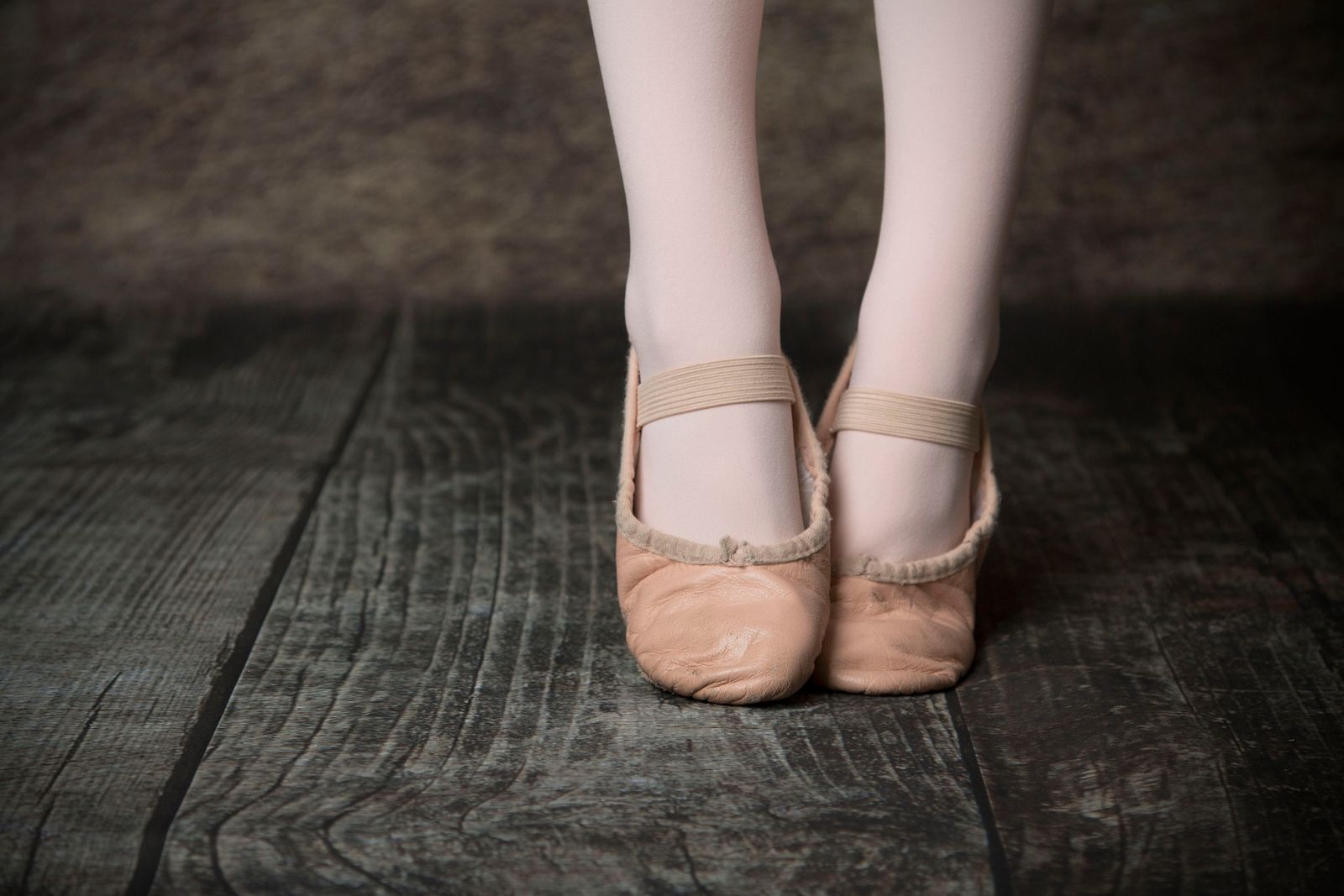
Photo by Kate McNeil on Pexels
Four items covers everything most students encounter in a term.
| Item | Where it is used | What it must be | |---|---|---| | Shower sandals | Communal bathroom only | Waterproof, quick-draining | | Indoor slippers | Bedroom, corridor, kitchen | Soft, light, easy to step into | | Outdoor shoes | Everywhere off the corridor | Whatever you already own | | One pair of thick socks | Cold rooms, layered under slippers | Warm enough to sit still in |
That is the whole list. The commonly bought fifth item, a pair of heavy structured house shoes, is the one that ends up under the bed unused, because a small warm room does not need them and they take up storage you do not have.
Which slipper style suits a shared flat best?
Prioritize light, soft, and slip-on. The reasoning is specific to shared accommodation rather than general comfort.
Wendy House Slippers match that brief: soft plush fabric, lightweight construction, and a comfortable slip-on design with catching details, which is a reasonable balance of small, quiet, and easy to live with in a single room. For a wider comparison of what to weigh when choosing an indoor pair, this guide to indoor footwear for lounging at home sets out the criteria.
How do you handle laundry when it costs money?
Paid laundry changes the calculus. You are not going to run a machine for one pair of slippers, so plan around that.
- Wash them with a load you are running anyway, if the care guidance for your pair allows machine washing.
- Buy a color that does not show every mark. Mid-tones survive a term in a shared kitchen far better than white.
- Keep a small brush in your room for surface marks between proper cleans. Most of what lands on slippers in a shared flat is dry and brushes off.
- Do not leave them in a communal laundry room to dry. Single items left unattended in halls disappear, and a shared dryer is not gentle.
What about corridor and kitchen etiquette?

Photo by https://kaboompics.com/ on Pexels
Shared accommodation has unwritten rules, and footwear touches several of them.
- Wear something on your feet in the kitchen. Broken glass and spilled oil are routine in a shared kitchen. Closed-toe indoor footwear is the sensible minimum.
- Do not walk into other people's rooms in outdoor shoes. Plenty of flatmates have a shoes-off room even if the flat does not.
- Keep your pair inside your door. Footwear left in a corridor gets moved, borrowed, or reported as a fire-exit obstruction.
- Label anything that leaves your room. In a flat of six, an unmarked pair of slippers in a communal area belongs to nobody within a week.
- Take them off before your feet hit a bed. The one habit that keeps a small room feeling clean.
Do slippers actually help in a cold student room?
They help with the specific problem of standing and sitting on a cold hard floor, which is what most halls rooms have. A soft layer between your feet and vinyl or laminate is the cheapest comfort upgrade available in a room where you cannot control the heating.
Two things make the difference in practice:
- Wear them with socks in the coldest weeks. Sock plus slipper is warmer than either alone and costs nothing.
- Keep them where your feet land when you get out of bed, so you use them from the first step rather than crossing the room barefoot.
FAQ
Can I wear slippers to the communal bathroom if I am quick? It is not worth it. Communal shower floors stay wet, and a plush upper holds that moisture back in your room. Keep a cheap pair of rubber sandals for bathroom trips and your slippers stay dry all term.
How many pairs should I bring to halls? One indoor pair and one pair of shower sandals. A second indoor pair is only worth the space if you know you will be washing them regularly and do not want a gap. Storage in halls is tighter than most people expect.
Will slippers be too warm in a room with no thermostat control? Choose a lightweight fabric pair rather than a heavy lined one and you have room to adjust: slippers alone when the heating is on, slippers with thick socks when it is not.
Do I need to take them home at the end of term? Take them if you want to use them at home, otherwise pack them with your room contents as normal. Do not leave a fabric pair in a damp unheated room over a long break.
A practical next step
Before you move in, put two items on your packing list rather than one: a pair of waterproof shower sandals and a lightweight soft slip-on pair for your room. Store the sandals with your shower kit and the slippers just inside your door. That single separation solves most of the footwear problems shared accommodation creates.
Cover photo by Mauro Bertolini on Pexels.