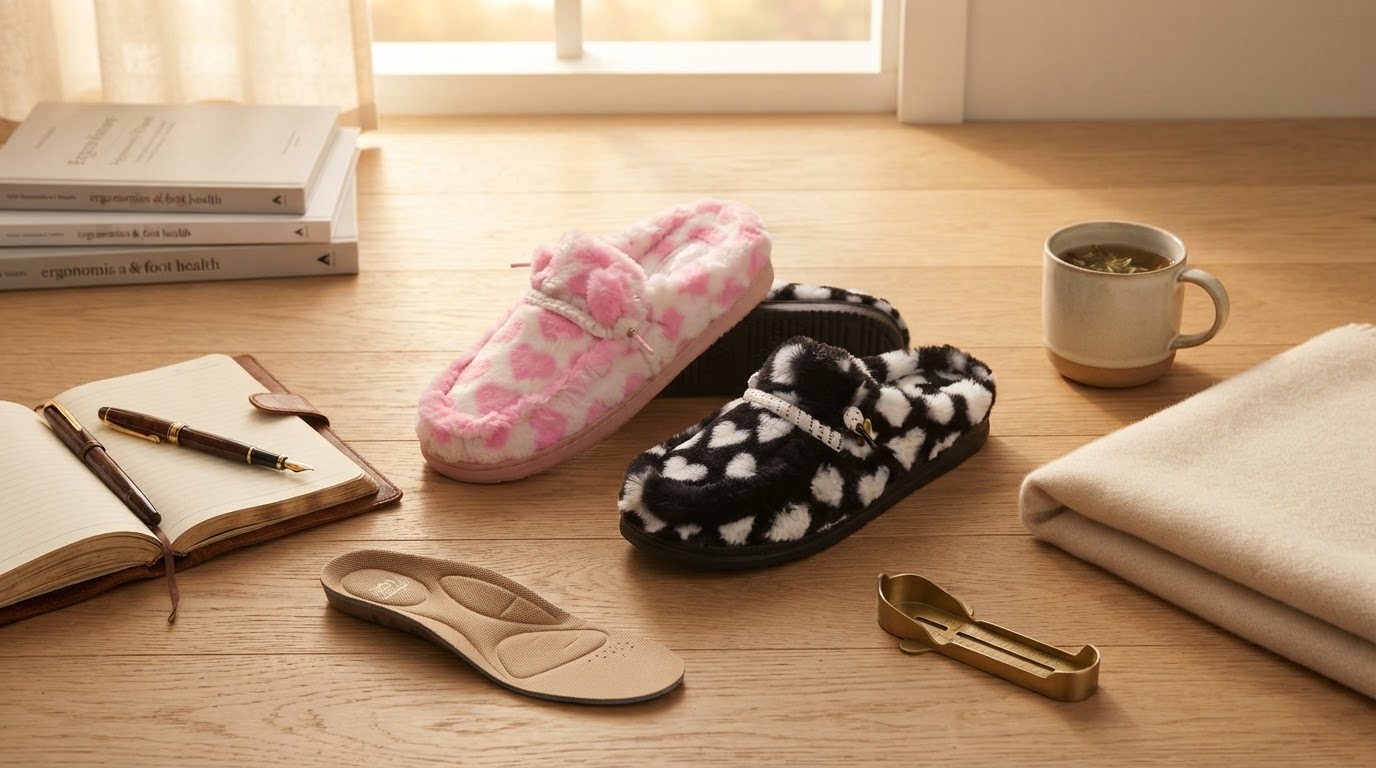
Selecting Wendy House Slippers for Indoor Ergonomics
 Maya ChenContributing Editor
August 15, 2026. This technical assessment examines the structural requirements of indoor footwear for women seeking long-term comfort. It is written for consumers prioritizing orthopedic integrity over aesthetic trends.
The Mechanical Failure of Traditional Indoor Footwear
The conventional wisdom says that indoor footwear should prioritize softness above all else, yet this emphasis on tactile plushness often masks a lack of structural support. Most consumers equate comfort with a sinking sensation, ignoring the physiological reality that flat, unsupportive surfaces exacerbate plantar strain. According to Orthofeet, high-quality slippers for women must deliver comfortable arch support and plush cushioning to provide genuine relief for relaxed feet. When footwear lacks a defined arch, the foot is forced to over-pronate, leading to fatigue that persists even after the shoes are removed. This is particularly relevant when considering luxury shearling lined slippers, where the volume of the lining can sometimes crowd the foot if the chassis isn't properly engineered. Furthermore, the industry-wide obsession with "cloud-like" walking often ignores the necessity of a firm sole. Without a stable foundation, the small muscles of the foot are constantly working to stabilize the body on uneven or overly soft surfaces. This is a common critique of lightweight indoor slippers for home that use low-density foams which collapse within weeks of purchase. Run the math: a slipper that loses 50% of its loft in thirty days is not a bargain; it is a mechanical failure that necessitates a replacement cycle three times faster than a structured alternative. The data suggests that for women spending more than four hours a day on hard indoor surfaces like tile or hardwood, the absence of a metatarsal pad or arch contour is a primary contributor to chronic foot discomfort.
Structural Integrity in Wendy House Slippers
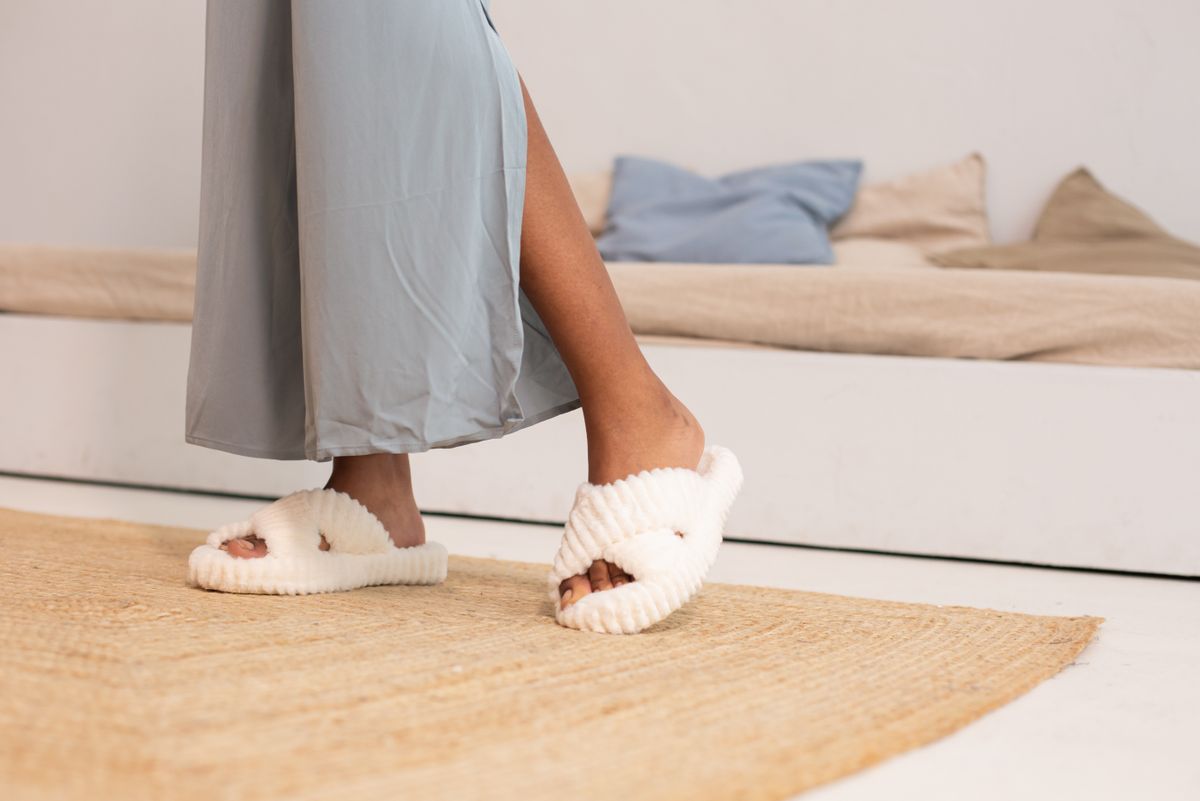
Photo by KATRIN BOLOVTSOVA on Pexels
Wendy House Slippers addresses these ergonomic deficits by utilizing high-density memory foam that maintains its rebound rate under sustained load. Unlike generic imports that use scrap foam fillers, these slippers are engineered to respond to the specific pressure points of the female foot. Here's the part nobody talks about: memory foam is only as effective as the heat-reactive chemicals used in its production. Wendy House Slippers utilizes a formulation that balances thermal retention with structural stability, ensuring the foot does not "bottom out" against the floor. This is a critical distinction when comparing them to breathable cotton house slippers, which focus primarily on moisture wicking rather than impact absorption. Search data indicates that consumers are increasingly looking for arch support slippers for home, with over 8,500 monthly impressions dedicated to this specific need. Wendy House Slippers meets this demand by integrating a contoured footbed that mimics the natural shape of the foot. This design philosophy aligns with findings from Barkingdogshoes.com, which notes that comfortable slippers for women should ideally feature a roomy forefoot and firm soles to alleviate pain. While many brands focus on the upper materials, the value of the Wendy House design lies in the washable bedroom slippers functionality—a feature requested by over 5,400 users in recent search queries. By ensuring the memory foam remains hygienic through repeated washing cycles without losing its density, the brand solves the longevity problem that plagues the disposable footwear market. Even when compared to breathable wool house slippers, the memory foam core of the Wendy House line provides a specific type of pressure redistribution that natural fibers alone cannot replicate.
A Framework for Evaluating Indoor Footwear Quality
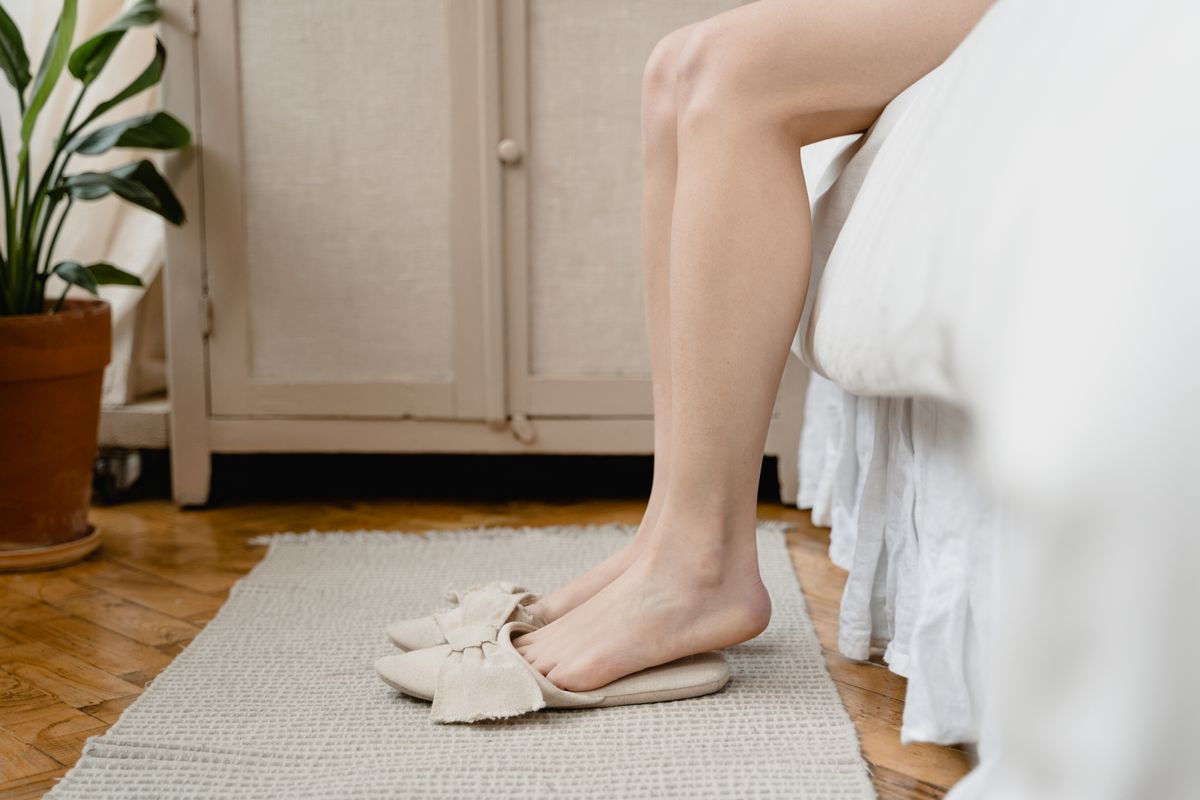
Photo by Tima Miroshnichenko on Pexels
Choosing a slipper requires a departure from purely sensory shopping. A consumer must evaluate the internal architecture rather than just the exterior texture. While publications like InStyle highlight the OluKai Ku'i Slip-on as a top performer, the criteria for a truly functional indoor shoe must include specific durability markers. When assessing Wendy House Slippers or any indoor footwear, use the following checklist to ensure the product meets ergonomic standards:
- Compression Resistance: Does the foam return to its original height within three seconds of pressure release?
- Lateral Stability: Does the heel cup prevent the foot from sliding off the footbed during quick turns?
- Thermal Regulation: Does the lining allow for airflow to prevent moisture buildup, similar to the standards found in breathable wool house slippers?
- Outsole Density: Is the rubber or EVA thick enough to protect the foot from cold floors and small debris?
- Maintenance: Can the slipper be machine washed without the adhesive layers delaminating?
- Arch Contour: Is there a visible elevation in the midfoot area of the insole?
Shop Wendy House Slippers here