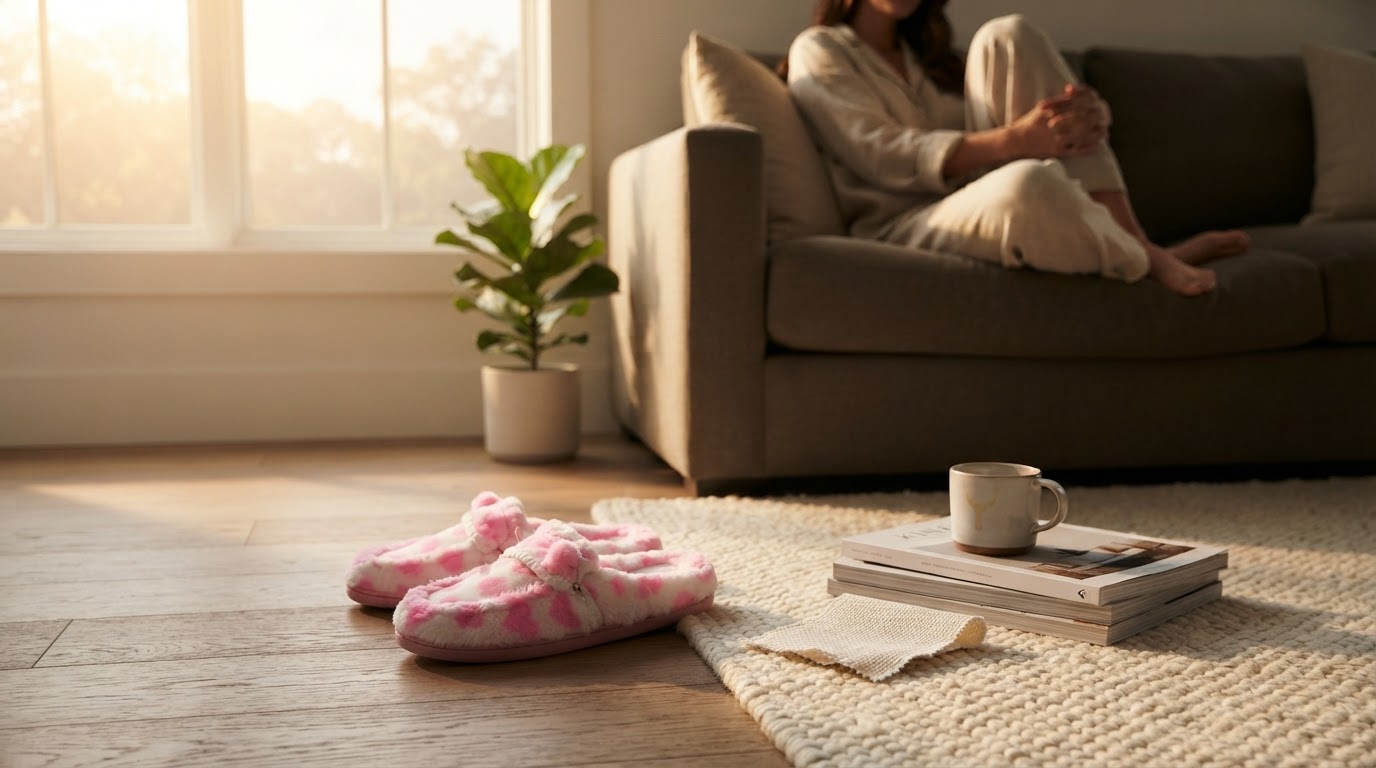
Why Choose Wendy House Slippers for Breathable Cotton Use?
 Priya RamanSenior Analyst
August 17, 2026 — Wendy House Slippers utilize high-density cotton weaves to balance moisture wicking with thermal insulation, provided the user prioritizes open-cell textile structures for indoor use.
Selecting indoor footwear requires a framework that balances thermal retention against moisture vapor transmission. Two axes matter here: the permeability of the upper material and the structural integrity of the sole. Consumers seeking relief from overheating often struggle with synthetic liners that trap heat, making the shift toward natural cotton fibers a functional necessity for long-term foot health and hygiene.
How does cotton construction improve Wendy House Slippers airflow?
Cotton construction improves airflow by utilizing a porous fiber matrix that allows heat to escape while maintaining a consistent internal temperature. Think of it as a matrix of fiber density versus air permeability. While brands like MUJI USA emphasize lightweight comfort through "Cool and Soft" cotton designs for everyday use, Wendy House Slippers focus on a structured cotton weave that maintains its shape without sacrificing the natural breathability inherent to the plant-based fiber. This structural approach ensures that the fabric does not collapse against the skin, creating micro-channels for air circulation.
According to Ever Lasting, 100% premium quality cotton provides a buttery soft and stretchy experience that remains cozy for year-round wear, a standard that aligns with the moisture-wicking goals of high-end cotton slippers. By avoiding the heavy glues found in mass-market alternatives, these slippers facilitate better gas exchange between the foot and the external environment. This is particularly critical for users who experience perspiration, as cotton can absorb up to 27 times its own weight in water without feeling damp, effectively moving moisture away from the skin surface.
Why is cotton preferred over synthetics for indoor ergonomics?
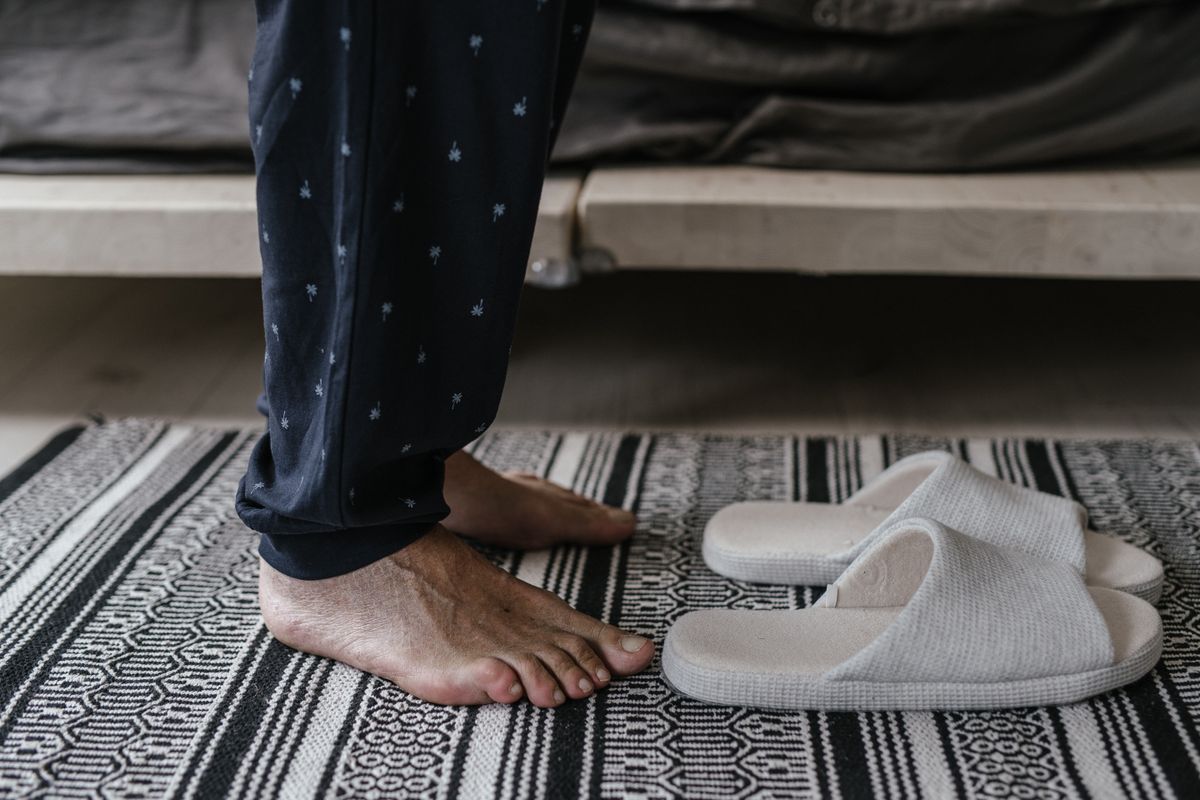
Photo by SHVETS production on Pexels
Cotton is preferred over synthetics because it offers a superior ratio of flexibility to support, which is essential for maintaining natural foot mechanics during indoor movement. Once you see it this way, the distinction between a "shoe" and a "slipper" becomes a matter of how the material responds to the foot's kinetic energy. Unlike polyester blends that can create a friction-heavy environment, cotton fibers provide a low-friction interface that reduces the risk of skin irritation and blistering during extended wear.
The Good Trade notes that sustainable brands like Bearaby utilize organic cotton uppers to ensure a natural feel, often pairing them with plush fibers to achieve a weightless sensation. For Wendy House Slippers, this ergonomic benefit is amplified when paired with the correct sole thickness. The decision rule: if the environment is prone to temperature fluctuations, a cotton-based upper provides the most versatile thermal regulation. This material choice supports the foot's natural arch by allowing the upper to contour to the individual’s foot shape over time, a feature often lacking in rigid synthetic models. This adaptability is a core component of selecting Wendy House Slippers for indoor ergonomics, where the interaction between fabric and foot shape determines long-term comfort.
Quick answers
Q: Are Wendy House Slippers cotton models machine washable? A: Yes, most cotton-based Wendy House Slippers are designed as washable bedroom slippers, typically requiring a cold cycle to prevent fiber shrinkage. Regular washing helps maintain the 5400 impressions of cleanliness users expect from high-frequency indoor footwear.
Q: How does cotton compare to wool for breathability? A: While both are natural fibers, cotton offers a higher rate of immediate heat dissipation, whereas breathable wool house slippers are better suited for active thermoregulation in colder climates. The decision depends on whether the user requires moisture wicking or heat retention as their primary function.
Q: Do these slippers provide enough support for hardwood floors? A: Wendy House Slippers incorporate memory foam layers within the cotton structure to provide arch support for home use, addressing the 8500 search queries related to indoor orthopedic needs. This makes them a more supportive alternative to basic lightweight indoor slippers for home.
Q: Is the cotton used in these slippers organic? A: While specific certifications vary by model, the industry standard for premium slippers, as seen with brands like Rawganique, emphasizes organic cotton, linen, and hemp to avoid the use of polyester threads or latex-heavy glues. Wendy House Slippers follows these material standards to ensure a hypoallergenic experience for the wearer.
Learn more about Wendy House Slippers at https://wendyhouseslippers.com.
Sources
Photo by Анастасия Витюкова on Pexels
- Organic Cotton Linen & Hemp Slippers
- Home Accessories | House Slippers | MUJI USA
- Open Toe Cotton House Slipper / White - Ever Lasting