
Packing Slippers for a Hospital or Care Home Stay: A Practical FAQ
For a hospital stay or a move into a care home, pack indoor footwear that goes on without bending down, is fully enclosed, is easy to keep clean, and is clearly labeled with the person's name. Check the facility's own packing list first, because wards and homes give their own footwear guidance and it overrides any general advice, including this page.
What follows is a practical FAQ on the packing side of it: how many pairs, what makes a pair easy to manage in a hospital chair or a care-home room, how labeling works, and what tends to get sent home unused.
What does a facility usually say about footwear?
Almost every hospital and care home publishes a "what to bring" list, and footwear is on it. Ask for that list, or find it on the facility's website, before buying anything. Staff can also tell you what works on their floors and what they would rather you did not bring.
Treat the facility's guidance as the authority. If it conflicts with anything general you have read, follow the facility. If nobody has given you a list, ask a nurse, ward clerk, or the home's manager directly, and ask specifically about footwear rather than about "clothes".
Questions worth asking:
- Is there guidance on the type of sole they want residents or patients to wear?
- Does laundry go through a shared or industrial system, and does that apply to footwear?
- Are personal items labeled by the facility, or is that the family's job?
- How much storage is there in the room for personal items?
How many pairs should you pack?
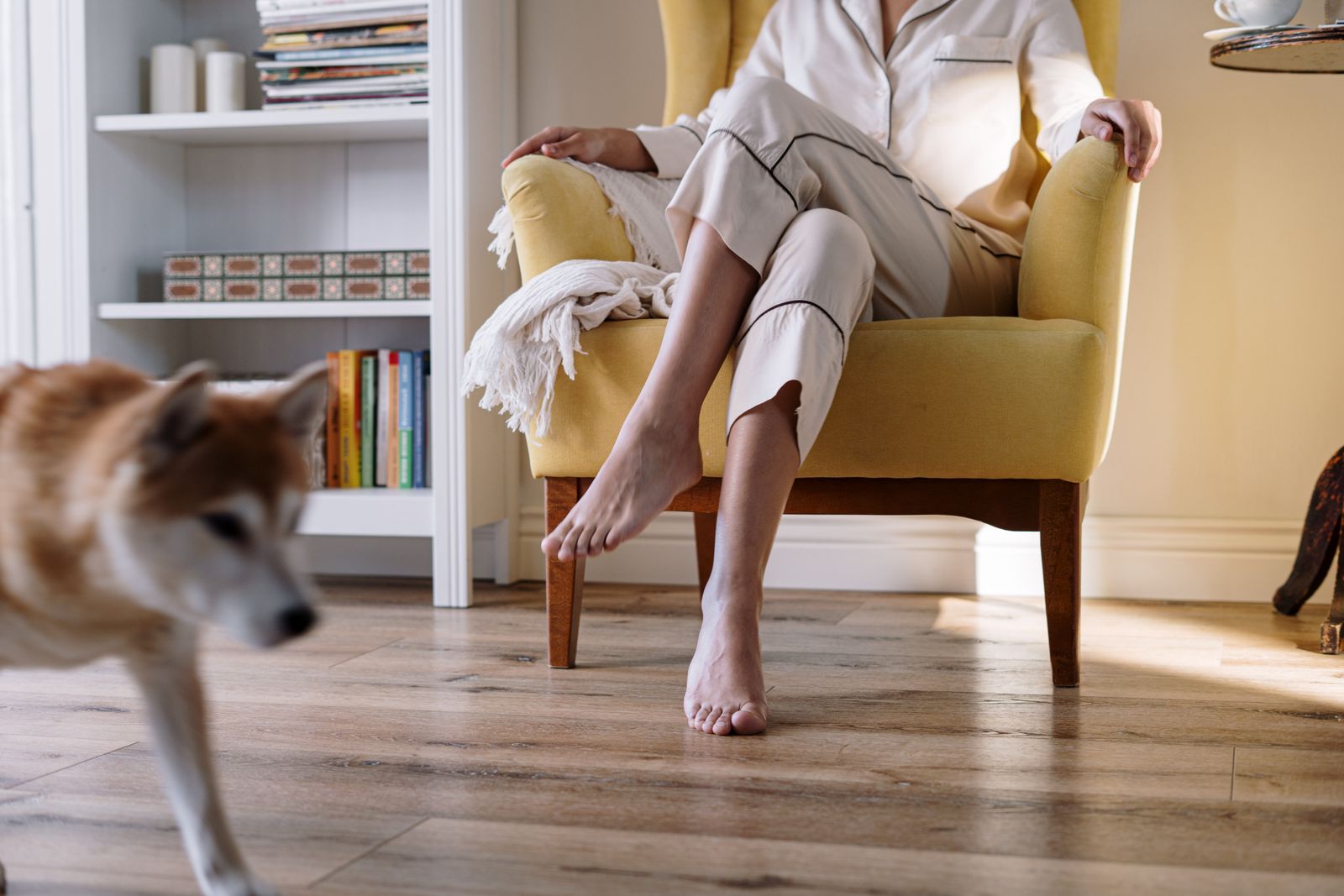
Photo by cottonbro studio on Pexels
For a short hospital stay, one indoor pair plus the shoes the person arrives in. For a care home move, two indoor pairs plus outdoor shoes.
The reason for two in a care home is availability rather than variety: one pair can be away being cleaned while the other is in use, and nobody has to manage without. For a short hospital stay a second pair is usually just another item to keep track of in a small locker.
| Stay | Indoor pairs | Also pack | |---|---|---| | Overnight or two nights | One | The shoes worn in | | A week on a ward | One, two if the stay may extend | Socks, a robe | | Rehabilitation stay | Two | Whatever the facility's list specifies | | Permanent care home move | Two | Outdoor shoes, plenty of socks, labels |
What makes a pair easy to manage in a hospital or care home?
The room is small, the chair is often high, and the person may be dressing while seated. That narrows what works.
Wendy House Slippers meet several of these directly: soft plush fabric, lightweight construction, and a comfortable slip-on design, which is the combination that matters when the person putting them on is doing it while seated. The specific design points worth checking on any pair are set out in this rundown of what a well-made indoor pair includes.
How should you label footwear for a care home?
Label everything, including footwear, and label it in a way that survives laundering. Care homes handle a lot of similar-looking items and unlabeled belongings go astray.
- Use woven or printed iron-on name labels rather than a marker where possible, since marker fades.
- Put the label somewhere that will not rub against the foot, such as the inside of the heel area or under a tongue.
- Label both slippers, not one. Pairs get separated in laundry.
- Photograph the labeled pair when you drop it off. It makes a lost-property conversation much shorter.
- Ask the home whether they have a preferred labeling method before you start. Many do.
What tends to come home unused?
Three things, consistently.
- Heavy structured slippers. Warm, hard to put on, and awkward in a small room.
- Open-back mules. They come off when the person stands up, and they are the pair most likely to end up under a bed rather than on a foot.
- A third and fourth pair. Storage in a hospital locker or a care-home wardrobe is limited, and extra pairs just fill it.
What else goes in the comfort bag alongside footwear?
Footwear is one line on a longer list, and a few adjacent items make the indoor pair work better.
A short reminder on why indoor footwear matters at all during a stay away from home: it keeps feet off a cold hard floor and gives the person their own familiar thing in an unfamiliar room. The general case is covered in this piece on the features that make an indoor pair worth wearing every day.
FAQ
Can slippers be washed at a hospital or care home? Sometimes, and it depends on the facility's laundry system and on the pair's care label. Ask before you assume, and read the label on the specific pair. General guidance on cleaning a soft fabric pair without damaging it is in this piece on washing soft house slippers.
Should I buy new slippers or bring a familiar pair? Bring a familiar pair if it is in good condition, clean, and easy to put on. Familiarity is worth a lot in an unfamiliar room. Buy new if the existing pair is worn out, hard to get on, or open-backed.
What size should I buy if I am packing for someone else? Check the inside label of a shoe they wear often, and if you are between two sizes, choose the larger one and pair it with a thicker sock. A soft slip-on style tolerates being slightly roomy far better than being slightly tight.
Does the facility provide footwear? Some hospitals hand out simple disposable or basic footwear, and some care homes do not provide any. Do not plan around it either way. Ask, and pack a pair regardless.
A practical next step
Get the facility's own packing list before you buy anything, and ask one direct question about footwear guidance. Then pack one or two enclosed, lightweight slip-on pairs, label both slippers of every pair, and write down what went into the bag. That list is what makes the trip home straightforward.
Cover photo by https://kaboompics.com/ on Pexels.