Plush Fabric vs. Heavy Wool Slippers: Finding Your Ideal Winter Warmth
Wool slippers hold more heat; plush slippers hold enough heat with far less bulk. For a heated home with hard floors, a lightweight plush slipper is usually the better winter choice because the job is taking the chill off the floor, not surviving the cold. Dense wool earns its place in genuinely cold houses, drafty rooms, unheated cabins, and for people whose feet stay cold no matter what.
That is the short version. The longer version depends on how cold your home actually gets, how much you move around in it, and whether your feet run hot, cold, or sweaty.
What each material is actually doing
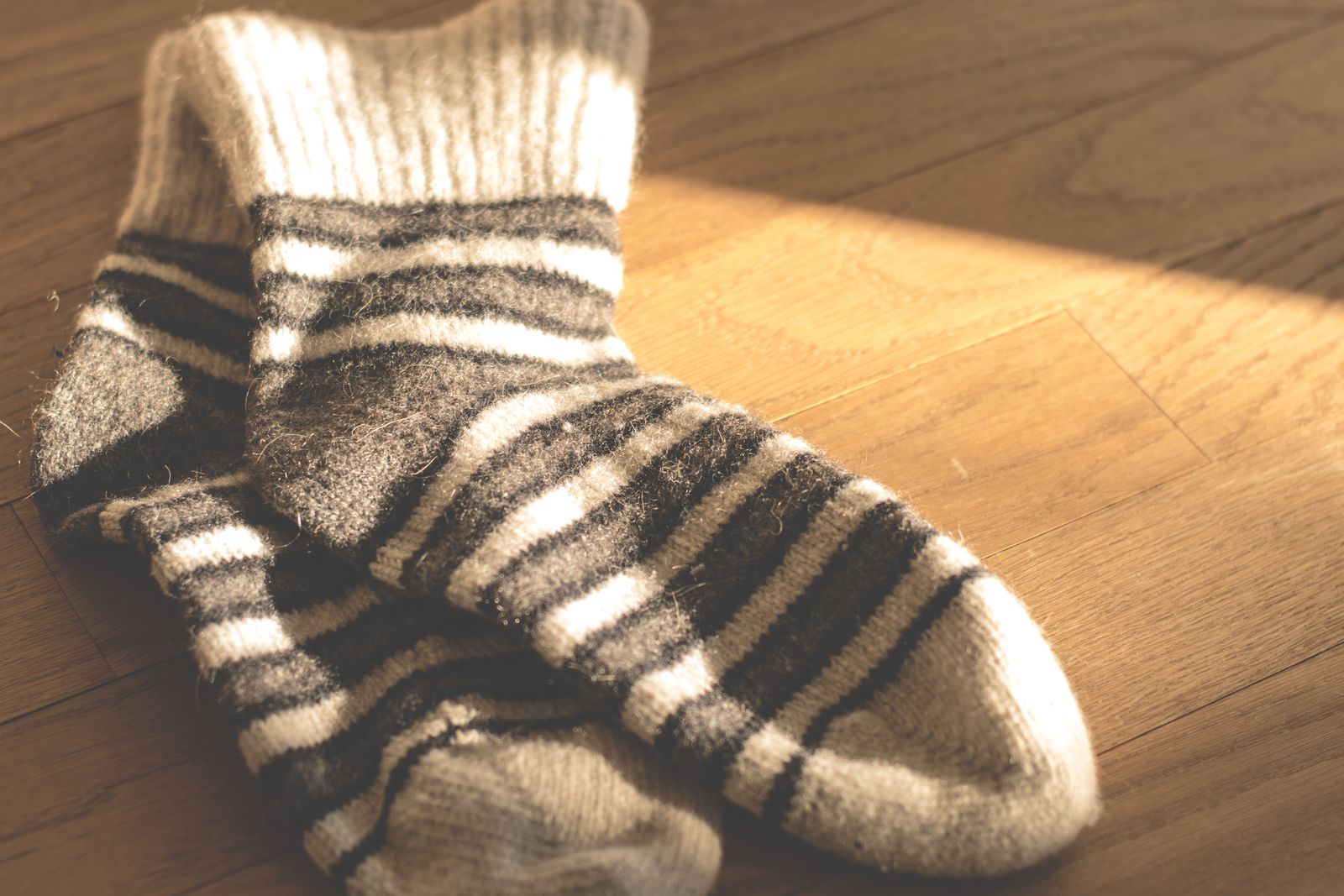
Wool insulates by trapping air inside a crimped natural fiber, and it keeps insulating when damp because the fiber absorbs moisture into its structure rather than holding it against the skin. That is why it works so well outdoors. Wool is also heavier per unit of warmth than most people expect, it releases moisture slowly, and some wools are coarse enough to itch against bare skin.
Plush fabric is a soft pile surface where the raised fibers hold a cushion of air just off the skin. It insulates by the same trapped-air principle, with less mass. It also does something wool does not: the pile compresses underfoot, so it contributes to how the slipper feels on a hard floor, not just how warm it is. Plush dries faster and stays soft against a bare foot.
Neither generates heat. Both slow the escape of heat your body already produced, and both slow the cold floor's ability to pull it out. The difference is how much material it takes to do that, and what the material costs you in weight and dampness.
Plush versus wool, feature by feature
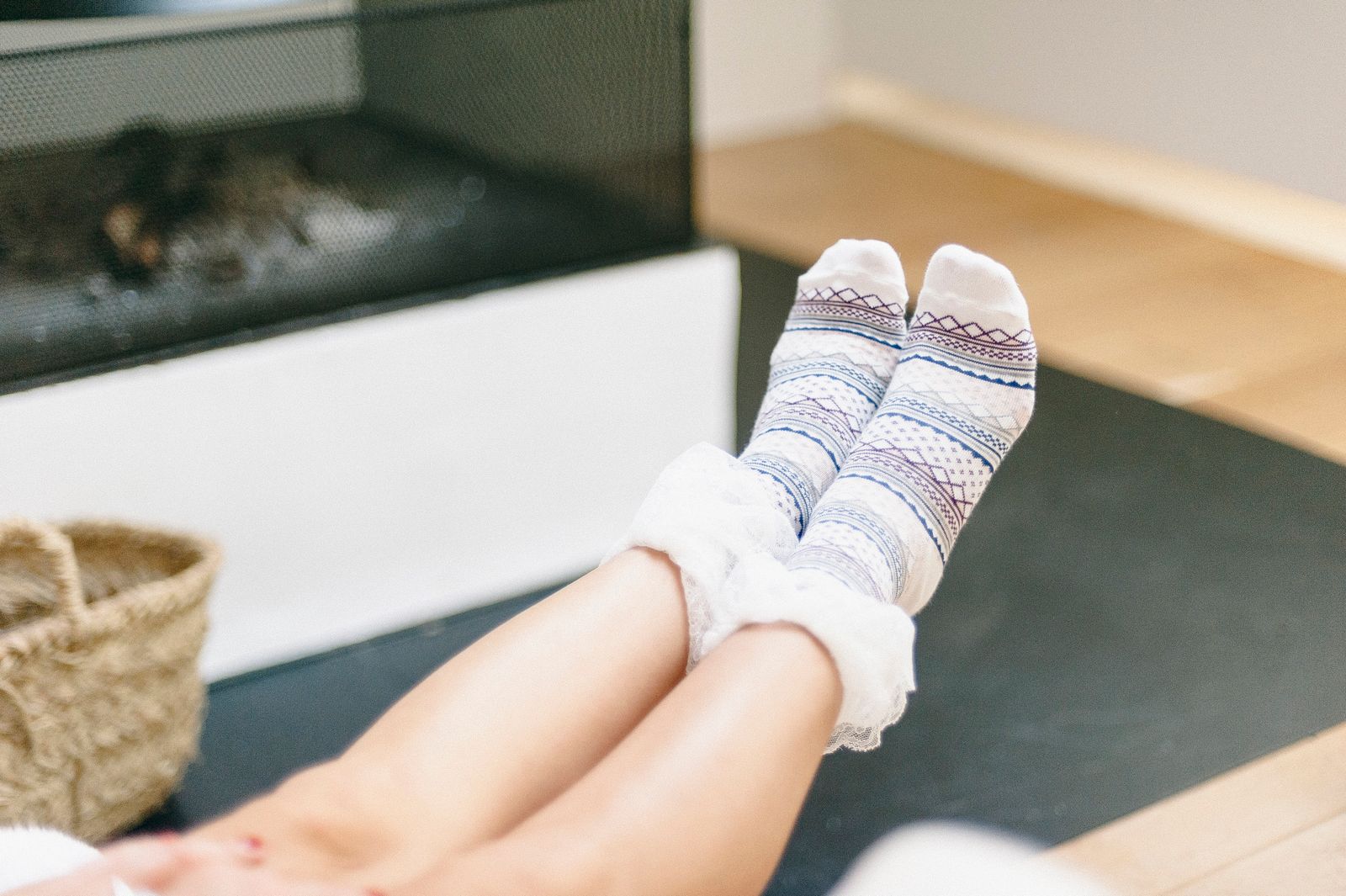
Photo by Alina Skazka on Pexels
| Factor | Lightweight plush | Heavy wool | |---|---|---| | Warmth in a heated home | Sufficient for most rooms | More than needed, often too much | | Warmth in a cold or drafty home | May fall short in the coldest rooms | Clear advantage | | Weight underfoot | Low, barely noticed on short trips | Noticeably heavier | | Feel against bare skin | Soft, no scratch | Varies by wool grade; can itch | | Moisture handling | Dries quickly, needs airing | Absorbs a lot, dries slowly | | Overheating risk | Lower | Higher in a warm room | | Cushioning contribution | The pile compresses and helps | Depends entirely on the footbed | | Care demands | Straightforward, follow the label | Often requires careful hand treatment | | Year-round usefulness | Works past winter | Effectively a cold-season item |
Warmth is not the only variable that matters indoors
Most winter slipper advice treats warmth as the whole question. Indoors, it is one of four.
Movement. Indoor walking is a series of short, frequent trips. Weight on the foot costs you something on each one. A heavy slipper is the reason people end up walking to the kitchen barefoot in February, which defeats the entire purpose. Lightweight construction is what makes a slipper the default rather than an occasional choice.
Overheating. A well-heated home in winter often sits at a temperature where a dense wool slipper becomes uncomfortable within an hour. Feet sweat, the wool absorbs it, the wool takes a long time to dry, and the next morning the slipper is faintly damp. That cycle is more common than under-warmth.
Floor contact. On tile, hardwood, or concrete, the thing you feel most is impact, not temperature. Cushioning and insulation are separate properties. A slipper can be very warm and still leave your heel sore.
Whether you keep them on. All of the above collapses into this. The warmest slipper in the house is worth nothing if it stays by the door. The comparison of lightweight and heavy house slippers goes deeper on how that plays out across a full day.
Wendy House Slippers sit squarely in the lightweight plush category — soft plush fabric, lightweight construction, a comfortable slip-on design, and stylish catching details. That combination is built for the warm-enough, easy-to-live-with end of the spectrum rather than the maximum-insulation end. Details on the fit and feel are in the Wendy House Slippers review.
How to choose in four questions
The middle path most people miss
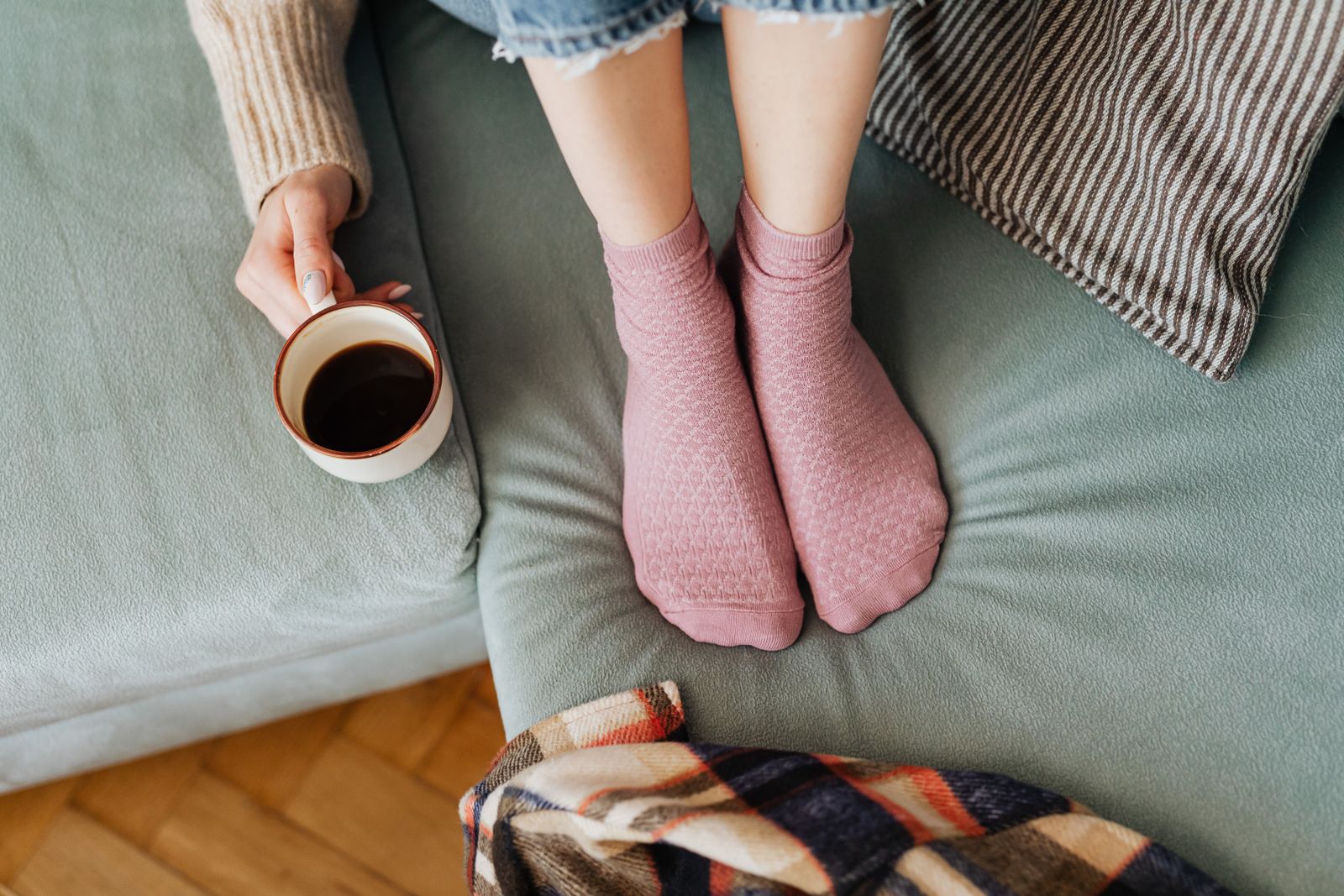
Photo by https://kaboompics.com/ on Pexels
The choice is not strictly one or the other. A light plush slipper plus a wool sock is warmer than a heavy plush slipper alone, dries faster than a wool slipper, and lets you dial warmth up or down by changing the sock instead of changing the shoe. The sock does the insulating, the slipper does the cushioning and the floor protection, and each layer can be washed on its own schedule.
This is also the cheapest way to test whether you need heavy wool at all. Try a light slipper with a thin wool sock for a week of genuinely cold weather. If your feet are comfortable, dense wool would only have added weight and drying time.
What to watch out for either way
- A warm slipper with no cushioning. Insulation and impact absorption are different jobs. Check that the footbed does something for you on hard floors.
- Fit that assumes socks. If you buy for a bare foot and then add a thick winter sock, the slipper becomes tight, which restricts circulation and makes feet colder rather than warmer.
- Matted plush. When a pile flattens permanently, it has lost the trapped air that made it both warm and cushioned. That is the signal to replace, not to add socks.
- Wool that itches on the first wear. It rarely improves enough to matter, and a slipper you resent putting on will not get worn.
- Never letting either material dry. Both need airflow between wears. Wool needs more of it, because it holds more moisture and gives it up slowly.
FAQ
Are wool slippers warmer than plush slippers? Generally yes, for the same thickness, and they hold their insulating ability better when damp. Whether that extra warmth is useful depends on how cold your home is; in a heated house it often crosses into uncomfortable.
Is plush warm enough for winter? For most heated homes, yes. A plush layer between a bare foot and a cold hard floor removes the main source of winter foot chill, which is direct contact with the floor rather than the air temperature.
Which material lasts longer? Good wool is durable but demands careful cleaning, and matting or felting is the usual failure. Plush is easier to care for and tends to fail by flattening. In both cases, how often the pair is aired and how it is dried matters more to lifespan than the fiber does.
Do wool slippers help sweaty feet? Wool manages moisture well in principle, since it absorbs sweat away from the skin. In a closed, heavy slipper worn indoors for hours, though, it often just holds that moisture and takes a long day to release it. A lighter, faster-drying slipper on a two-pair rotation usually works better.
A practical next step
Measure the actual problem before choosing a material. For three days, note which rooms make your feet feel cold and whether the complaint is cold, sore, or damp. Cold points toward more insulation. Sore points toward cushioning, which is a different purchase. Damp points toward a lighter, faster-drying pair and a rotation. Most people who assume they need heavy wool discover the real issue was a hard, cool floor crossed forty times a day — and a lightweight plush slipper handles that with far less on the foot. If comfort for long lounging stretches is the priority, the guide to cozy indoor slippers for women covers what to prioritize next.
Cover photo by Lum3n on Pexels.