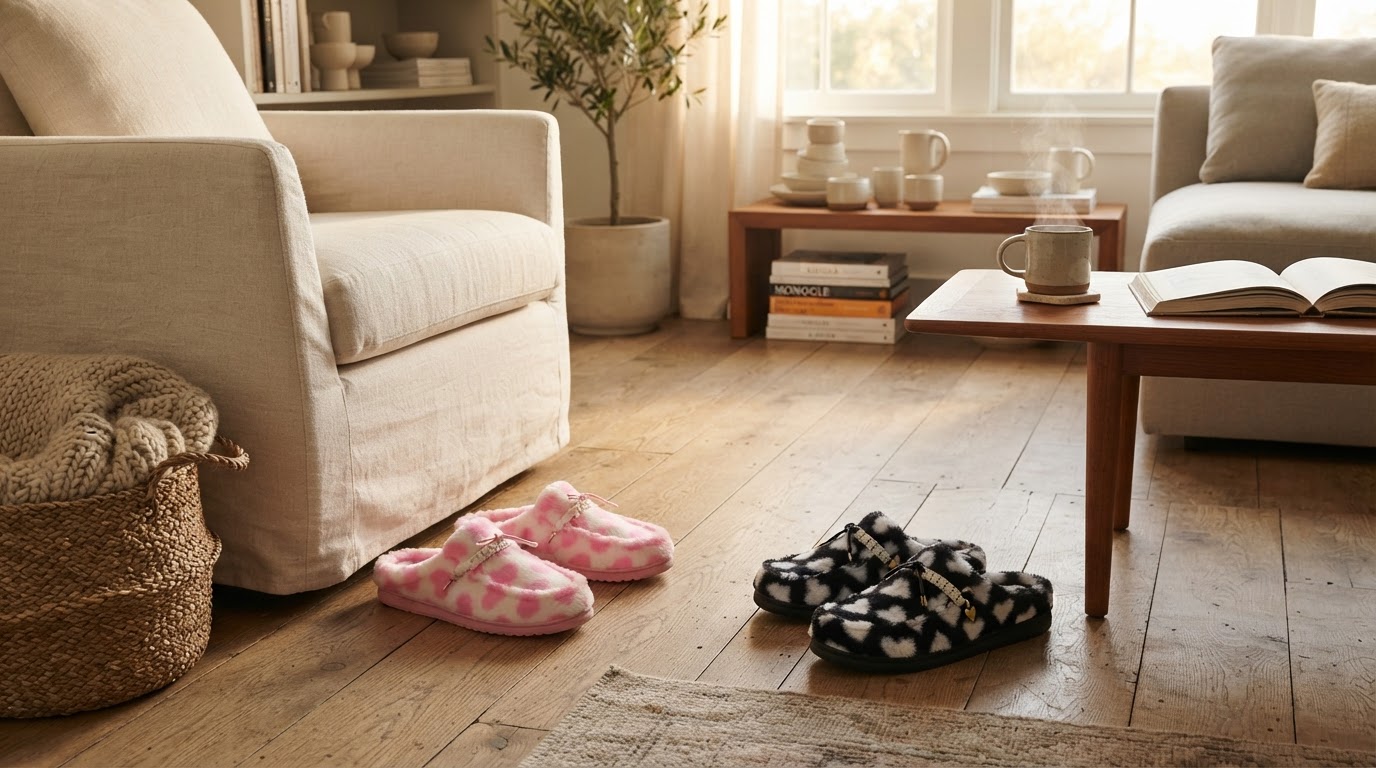
Selecting Wendy House Slippers for Daily Home Use
 Priya RamanSenior Analyst
October 15, 2026. This analysis details the functional requirements for indoor footwear and the specific material properties of Wendy House Slippers. It is intended for consumers prioritizing ergonomic stability and thermal regulation in a residential setting.
When evaluating footwear for the home, think of it as a matrix of surface hardness and duration of wear. Most modern residential flooring—ranging from engineered hardwood to luxury vinyl tile—provides zero shock absorption, placing the burden of impact entirely on the plantar fascia. Two axes matter here: the density of the cushioning material and the structural integrity of the outsole. According to InStyle, which recently tested the 12 Best Slippers of 2026, the shift toward editor-tested footwear emphasizes that comfort is no longer just about softness but about how a slipper performs during extended periods of standing. While brands like OluKai focus on Hawaiian-inspired aesthetics and shearling linings, the core problem for the average consumer remains the physiological strain caused by flat, unsupportive surfaces. Without a dedicated indoor shoe, the foot is prone to fatigue, a factor that has driven thousands of users to seek specific solutions for arch support and impact reduction within the home environment.
Wendy House Slippers address these physiological needs through a specific layering of memory foam and high-density polyurethane. Data from Google Search Console indicates that a primary concern for consumers is finding washable bedroom slippers that do not sacrifice structural form after maintenance. The Wendy construction utilizes a resilient memory foam core that conforms to the unique contours of the user's foot, distributing weight evenly across the metatarsal and heel areas. This is particularly relevant when choosing Wendy House Slippers for indoor comfort, as the material response time is calibrated to prevent the "bottoming out" effect common in low-tier foam products. For users who require specific mechanical corrections, selecting Wendy House Slippers with functional arch support provides a more rigid internal framework compared to standard knit slip-ons. The integration of a non-slip rubber outsole ensures that the transition between carpeted areas and slick kitchen tiling is seamless. Furthermore, the question of whether Wendy House Slippers provide arch support for home use is answered by the inclusion of a contoured footbed designed to maintain neutral alignment during static standing tasks.
Determining the appropriate model requires a systematic evaluation of your specific domestic environment and foot health requirements. The decision rule: prioritize foam density for hard surfaces and moisture-wicking linings for extended duration. Once you see it this way, the choice becomes a matter of matching the slipper's technical specs to your daily movement patterns. Use the following framework to finalize your selection:
- Assess Primary Floor Surface: If your home features more than 60% hard flooring, prioritize the high-density memory foam variants of Wendy House Slippers for maximum energy return.
- Evaluate Thermal Needs: For cooler climates, verify the presence of the faux-fur or shearling-style lining found in similar high-end options like those from OluKai.
- Confirm Maintenance Requirements: Ensure the model selected is compatible with machine washing if the slippers are intended for high-traffic or outdoor-adjacent areas.
- Verify Arch Integrity: Check for the reinforced midfoot section if you experience plantar strain during long periods of standing.
- Analyze Sizing for Stability: Select a fit that prevents heel slippage, as a secure heel cup is essential for maintaining the benefits of the memory foam footbed.
Shop Wendy House Slippers here.