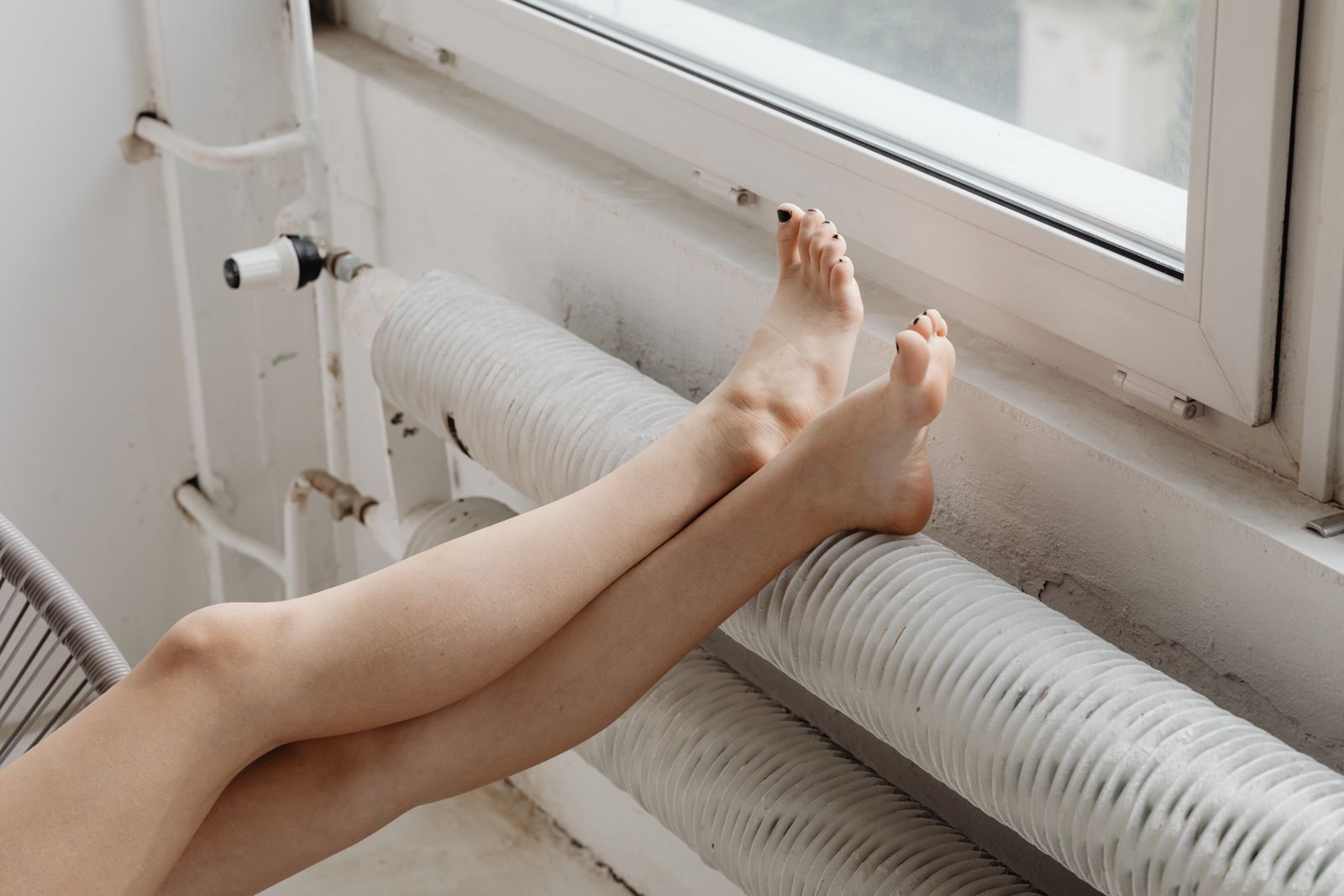
Barefoot vs. Plush Slippers: Why Hard Floors Demand Cozy Indoor Support
Hard floors demand cozy indoor support that barefoot walking cannot provide. Plush slippers add a soft layer between your soles and tile, hardwood, or vinyl, so each step has cushioning, a bit of warmth, and a more stable contact patch. Going barefoot on those surfaces is fine for a short stretch, but long hours on hard flooring leave feet colder, more tired, and more likely to slip. If your home is mostly hard floors, indoor slippers are the everyday choice.
Why hard floors change the equation
Carpet hides a lot. It gives the foot a little give, holds some warmth, and forgives a shuffled step. Tile, hardwood, laminate, and vinyl do the opposite. They are cooler to the touch, they do not compress under the heel, and a damp kitchen patch can feel slick in socks or on bare skin.
That is why the barefoot vs. plush slippers question is really a flooring question. On a thick rug, either option can feel pleasant. On a kitchen run, a hallway, or an open-plan living room with mixed hard surfaces, indoor support from a lightweight slip-on pair does work that skin alone cannot do.
Plush house slippers are not outdoor shoes. They are a thin, cozy buffer: a fabric upper that holds a little warmth, a soft interior against the foot, and a light sole that keeps you from planting skin directly on a cold, unyielding floor.
Barefoot vs. plush slippers at a glance
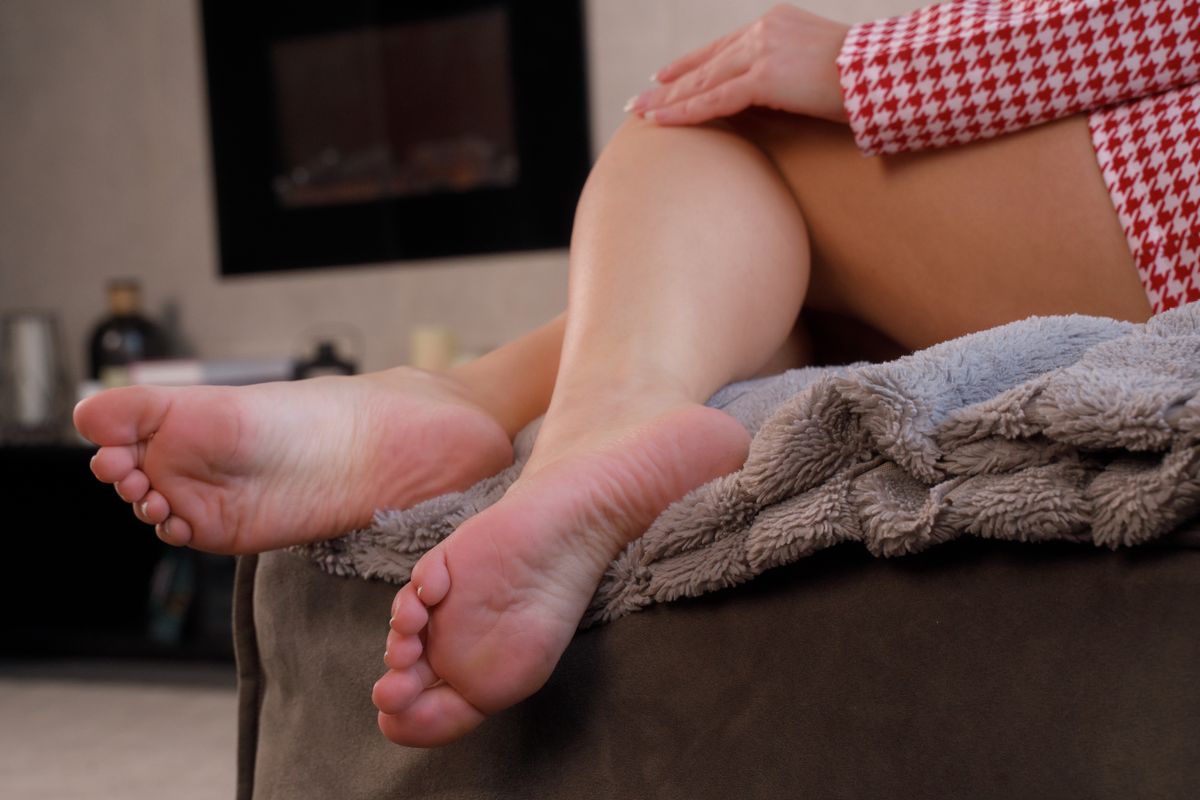
Photo by Vika Glitter on Pexels
| Factor | Barefoot on hard floors | Plush indoor slippers | | --- | --- | --- | | Cushioning | None; heel and ball take the full impact | Soft interior plus a light sole spreads each step | | Warmth | Feet cool quickly on tile and stone | Plush fabric holds a thin layer of warmth | | Grip on smooth floors | Skin can slide when floors are dusty or damp | A dedicated indoor sole gives more predictable contact | | All-day indoor hours | Fine for short spells; tiring over a full day | Built for lounging, kitchen trips, and desk time | | Floor feel | Direct, cold, and noisy on some surfaces | Quieter, softer, and more consistent from room to room | | Best use | Quick dashes, warm days on rugs | Daily indoor wear on hard flooring |
If a row in that table matches how you actually spend evenings, the choice is already made. Hard floors demand a layer. Plush slippers are that layer without the bulk of a structured house shoe.
What “indoor support” actually means here
Support, in this context, is not a medical claim and not a custom orthotic. It is the practical help a cozy indoor pair gives on hard floors:
- A cushioned landing for the heel instead of a sharp tap on tile.
- A covered sole, so cold flooring does not pull heat away as fast.
- A more even contact patch, which makes a slow kitchen circuit feel less shuffle-y.
- A reason to keep outdoor grit at the door, because you have something pleasant waiting inside.
When barefoot still makes sense
Barefoot is not the enemy. It is a poor default on hard floors for long stretches. Short windows still work:
- A few minutes on a warm rug after a shower.
- Stretching or a brief yoga sequence on a mat.
- Hot weather in a carpeted bedroom, if the rest of the house is not your walking loop.
A hard-floor daily checklist
Use this as a simple indoor routine, not a project.
- [ ] Park a pair of plush slippers where shoes come off, so the swap is automatic.
- [ ] Keep them for indoor surfaces only; grit from a porch or garden path wears the sole faster.
- [ ] Walk your real circuit once: kitchen, hallway, bathroom, desk. Notice heel tap and any slide on smooth floors.
- [ ] If one room is much colder (tile bath, garden-room threshold), leave the slippers on instead of peeling them off for “just a minute.”
- [ ] At the end of the day, knock dust from the soles and set the pair to air, not in a damp pile.
- [ ] Rotate a second pair if the first is drying after a spill or a wash day.
Mixed floors, one pair
Many homes are not one surface. You might have hardwood in the living room, tile in the kitchen, and a runner in the hall. Barefoot feels different in each of those rooms, which is part of why it gets tiring: the foot keeps adapting.
A light plush indoor pair smooths that mix. The sole stays the same from room to room. The plush stays the same against the skin. You are not hunting for socks, and you are not hopping from cold tile onto a rug and back again.
If stairs are part of the loop, a closed-heel slip-on usually stays on more reliably than a backless mule. The goal is still cozy indoor support, not a locked-down outdoor shoe.
Comfort without overheating
Photo by https://kaboompics.com/ on Pexels
People sometimes skip slippers on hard floors because they remember a dense winter pair that felt swampy by noon. Lightweight plush is a different tool. It is a thin cozy layer, not a packed boot. On a warm afternoon you can still choose socks off, a breathable lounge outfit, and a slip-on that does not weigh the foot down.
If a pair feels hot, the usual fixes are fewer socks, a little more airing between wears, and keeping the slippers off thick duvets and radiators. Heat plus trapped moisture is what makes plush feel tired, not the idea of indoor support itself.
Common mistakes on hard flooring
Using socks as the whole solution. Socks on polished tile can be slicker than bare skin. They add warmth, not grip.
Saving slippers for “later.” If they are only for the sofa, you will still do the kitchen and hallway barefoot — which is where hard floors demand the most.
Choosing a pair so loose you shuffle. Extra length is not extra support. A slipper that flaps makes you grip with your toes and sounds louder on hardwood.
Wearing them outside, then back in. A damp, dusty sole on tile is the fastest way to turn a cozy pair into a sliding pair.
Frequently asked questions
Do hard floors really demand slippers, or is that just preference?
Preference plays a part, but the floor does the demanding. Hard, cool, unyielding surfaces give the foot no cushioning and little warmth. Plush indoor slippers supply both without asking you to lace anything. If you only walk on thick carpet, barefoot can feel fine. If you live on tile and hardwood, a cozy layer is the practical default.
Is going barefoot bad for you at home?
This is not a medical page. Plenty of people enjoy short barefoot spells. The comparison here is about all-day indoor hours on hard floors: cold contact, heel tap, and the occasional slip on a smooth patch. Plush slippers are a comfort and practicality choice for that setting, not a diagnosis.
Will plush slippers feel too warm in summer on tile?
Often the opposite. Tile stays cool, and a lightweight plush slip-on is a thin buffer, not a winter boot. If you run hot, skip thick socks, air the pair between wears, and choose a breathable lounge outfit. Heavy structured house shoes are the ones that usually overheat.
What should indoor support feel like in a slipper?
It should feel like your foot lands softly and stays with the slipper, not like a rigid arch gadget. Heel tap on tile should quiet down. The plush should cover the sole without squeezing the sides. If you are curling your toes to keep the pair on, the fit is too loose for hard floors.
Can one pair handle kitchen tile and living-room hardwood?
Yes, that is the point of a whole-house indoor pair. Look for a light sole that stays predictable on smooth surfaces and a plush interior that still feels pleasant after a long evening. Keep the pair inside so kitchen grit and garden moisture do not travel from room to room.
Related reading
- How to build a gentle indoor footwear routine for hard floors
- Tile vs. carpet comparison: choosing indoor sole cushioning
- How to relieve foot fatigue at home: a gentle evening guide
- Plush fabric vs. memory foam slippers: a lounging comparison
What to do next
Walk the hard-floor loop of your home once tonight — kitchen, hallway, bathroom — and notice where barefoot feels cold, loud, or slick. Park a lightweight plush indoor pair at the shoes-off spot and use it for that same loop tomorrow. If the pair is easy to slip on and quiet on tile, you have the support those floors were asking for. When you are ready for a soft indoor slip-on, choose a plush house pair meant for lounging, not for the street.
Cover photo by https://kaboompics.com/ on Pexels.