Do You Need House Slippers in Summer? Lightweight Plush vs. Heavy Winter Pairs
Yes, most homes still call for slippers in summer — but not the same pair you wore in January. Heavy shearling-lined or wool boot slippers hold too much warmth for a warm-weather house, while a lightweight plush slip-on gives you a barrier between your feet and a cold tile floor without the heat that makes you kick them off by noon. The question is not slippers or no slippers; it's which weight belongs in which season.
Why do feet still want cover in a warm house?
Because air temperature and floor temperature are two separate things. Tile, stone, laminate, and hardwood sit close to the temperature of whatever is beneath them, and air conditioning keeps that surface cooler than the room. Anyone who has crossed a tiled kitchen at seven in the morning in July knows the floor did not get the memo about the season.
There is also the plain matter of what's on the floor. Summer means open doors, garden dirt, sand, pollen, and more foot traffic in and out. A slipper you leave at the threshold keeps most of that from being tracked through the house and off your soles.
And in air-conditioned homes, stationary feet get genuinely cold. If you sit at a desk or on a sofa for a couple of hours with the air running, the effect is much closer to a cool autumn evening than to the weather outside.
What actually goes wrong with heavy slippers in summer?
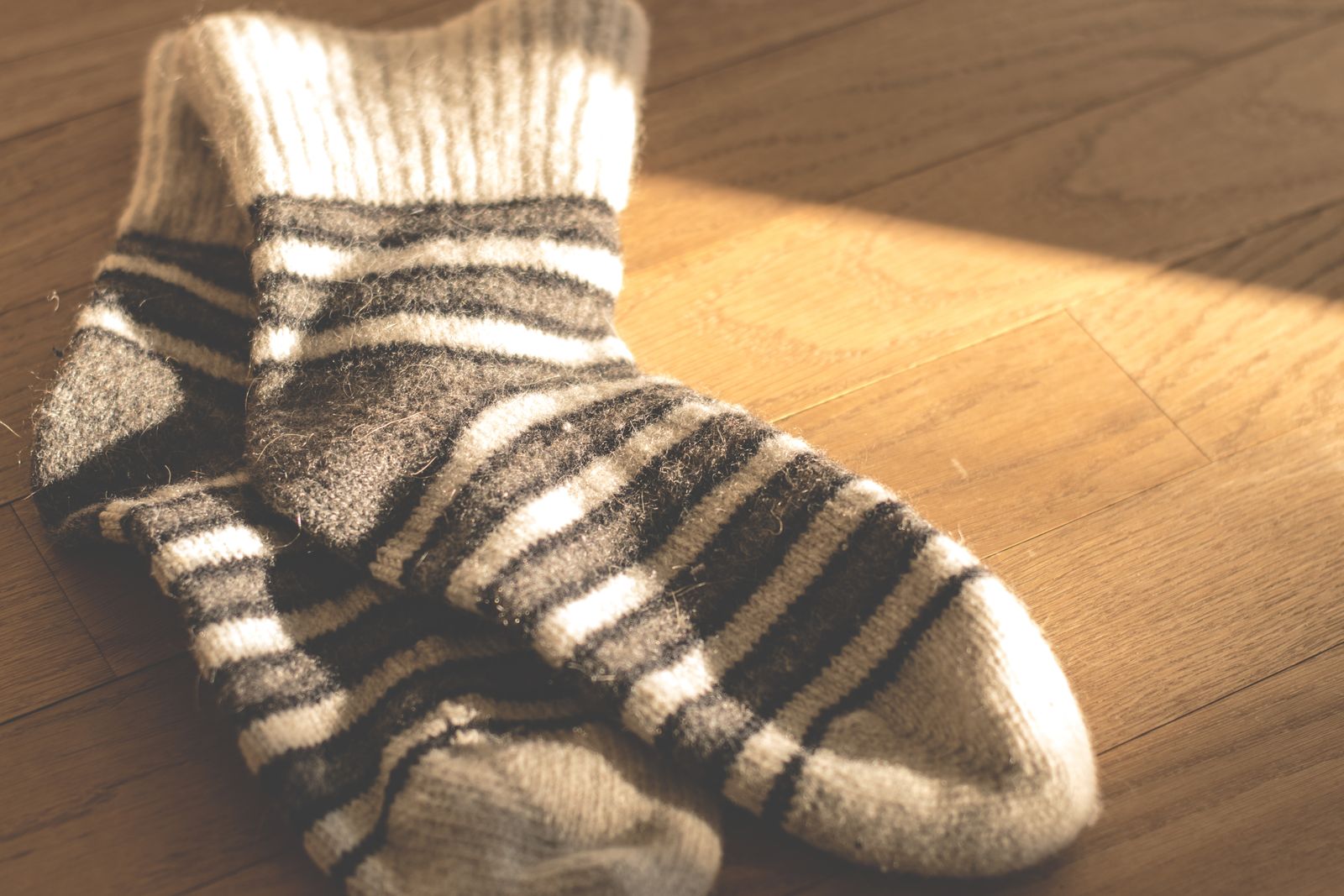
Heavy winter pairs are designed to trap and hold warmth, and they do that job whether you want it or not. Three things follow.
They hold moisture. Thick insulation slows evaporation. A dense pair worn through a humid afternoon takes much longer to dry out overnight than a light one, which is where summer musty smells come from.
They get abandoned. People take heavy slippers off in warm weather and then walk barefoot, which defeats the purpose entirely. A pair that is too warm for the season delivers no benefit, no matter how good it is in December.
They feel like more work. Warm weather makes any extra weight on your feet more noticeable. Over a long day, a heavy pair going up and down stairs registers in a way it simply doesn't in winter, when you welcome the substance.
Lightweight construction is the direct answer to all three. Less material means faster drying, less trapped heat, and less effort — and a soft plush lining still handles the cold-floor problem that persists year-round.
How do the two approaches compare season by season?
| Consideration | Lightweight plush slip-on | Heavy insulated house shoe | |---|---|---| | Best season | All year, especially spring through fall | Deep winter | | Warmth on a cold floor | Sufficient | High | | Heat build-up in summer | Low | High | | Overnight drying time | Short | Long | | Weight over a long day | Barely noticed | Noticeable | | Ease of stepping in and out | Immediate | Slower | | Suits an air-conditioned home | Yes | Usually too warm | | Suits an unheated winter room | Adequate with socks | Ideal |
The pattern is straightforward: a lightweight plush pair covers three seasons comfortably and handles the fourth with a sock, while a heavy pair is excellent for a narrow window and a liability outside it. For a closer look at that trade-off outside the seasonal question, see how lightweight and heavy house slippers compare overall.
What about spring and fall?
The shoulder seasons are where a single lightweight pair earns its keep, because the conditions change hour to hour rather than month to month. A March morning can be genuinely cold on tile and a March afternoon can be mild enough that a heavy pair is unbearable. Swapping footwear twice a day is not something anyone actually does, so the pair that stays on is the one that works across both.
This is also when floors and air temperature diverge most. Heating goes off in April in many homes while the slab under a ground-floor room stays cool for weeks afterward, so the room feels fine and the floor doesn't. The same happens in reverse in October, before the heating comes back on. A light plush pair covers that gap without you having to think about it.
Spring and fall are also the sensible times to do the seasonal swap itself — clean and store the heavy pair when the heating goes off, and bring it back out when it comes on. Tying it to the thermostat rather than the date means you're responding to your own house rather than to the calendar.
When should you switch pairs?
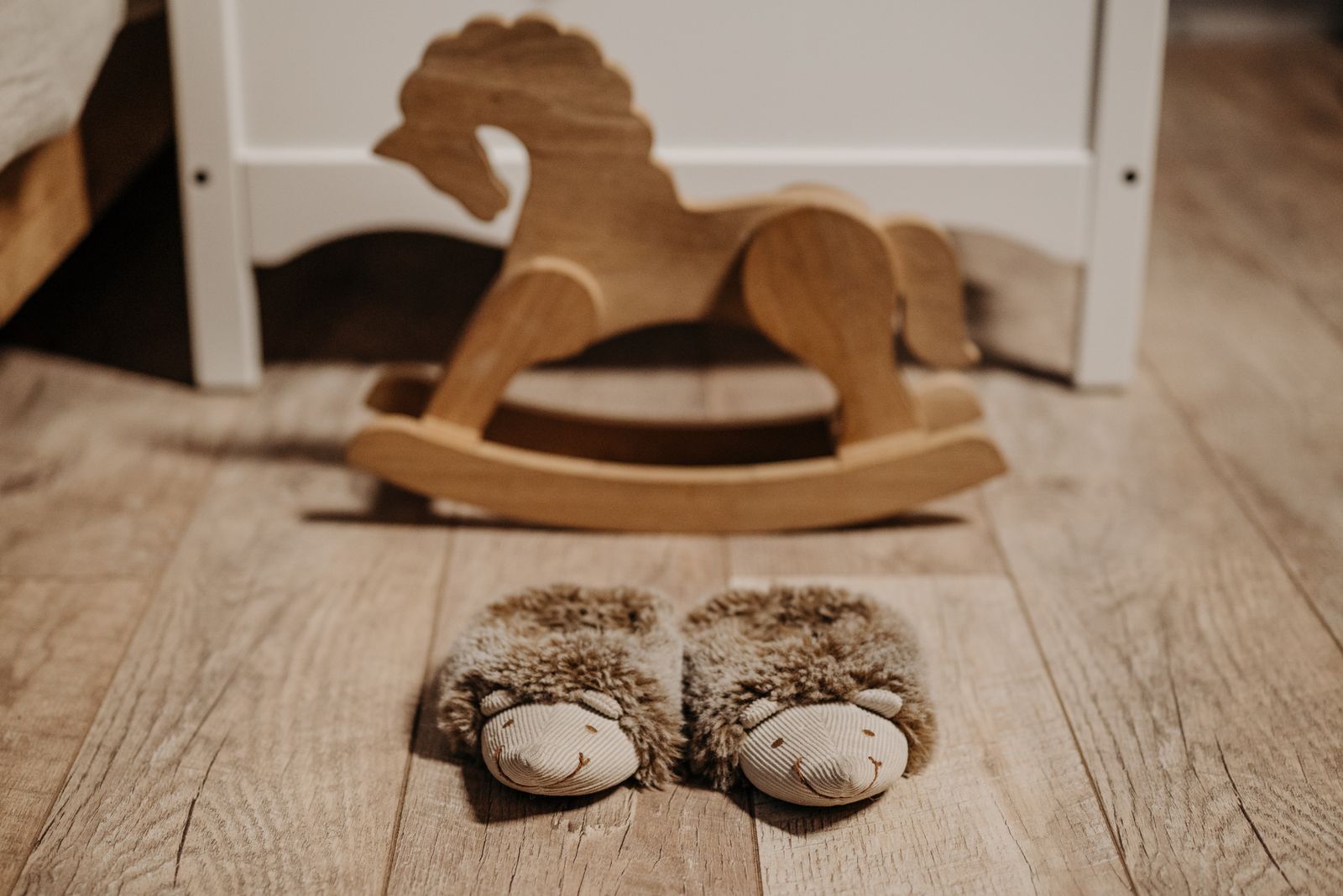
Photo by Pavel Danilyuk on Pexels
Go by the floor and your own habits, not the calendar.
Where do Wendy House Slippers sit in a seasonal rotation?
Wendy House Slippers are built around soft plush fabric with lightweight construction and a comfortable slip-on design, which places them in the year-round column. The plush provides the cushion and the barrier against a cold floor; the light build is what keeps them wearable when the weather turns. In practice that means they can be the pair you actually keep on in July, rather than the pair you shed at the first warm afternoon.
For a warm-weather rotation, many households do well with one lightweight pair worn every day and, if their winters are genuinely cold, a heavier pair reserved for the coldest weeks. That is simpler and cheaper than three pairs, and it means the lightweight pair takes most of the wear. Our overview of the everyday case for wearing slippers indoors covers why the habit is worth keeping through the whole year.
Frequently asked questions
Is it strange to wear slippers with air conditioning on? It is one of the most sensible times to wear them. Air conditioning cools the floor surface as well as the air, and your feet are the part of you in constant contact with it. Light coverage keeps that from being uncomfortable without adding meaningful warmth.
Would sandals or flip-flops work indoors in summer instead? They keep you off the floor, which is the main point, but they leave the top of the foot uncovered and typically have a harder footbed. They also tend to be noisier on hard floors. A lightweight plush slip-on covers more of the foot with a softer surface.
Do summer slippers need washing more often? More frequent airing, certainly. Warm weather means more moisture in the fabric, so leaving the pair somewhere with air moving each night matters more in July than in January. Whether they need washing more often depends on how much you wear them and whether they go outdoors.
Should I wear socks with lightweight slippers in summer? Personal preference, though most people skip them in warm weather and add them once the floors cool down. Wearing them without socks is a good reason to brush the plush and air the pair regularly, since the fabric takes the contact directly.
A practical next step
Walk barefoot across the coldest floor in your home tomorrow morning and note whether you wanted something on your feet. That single test tells you more about whether you need summer slippers than any general advice can, because it accounts for your floors, your climate, and your thermostat. If it turns out you do, weight is the specification to focus on — and how versatile a lightweight pair can be across rooms and seasons is a useful next read.
Cover photo by Tatiana Syrikova on Pexels.