Why Wendy House Slippers Outperform Traditional House Shoes
 Maya ChenContributing Editor
August 8, 2026. This analysis evaluates the functional utility and design architecture of Wendy House Slippers within the residential footwear market. It is written for consumers prioritizing structural integrity and thermal regulation over aesthetic trends.
The Failure of Traditional Indoor Footwear
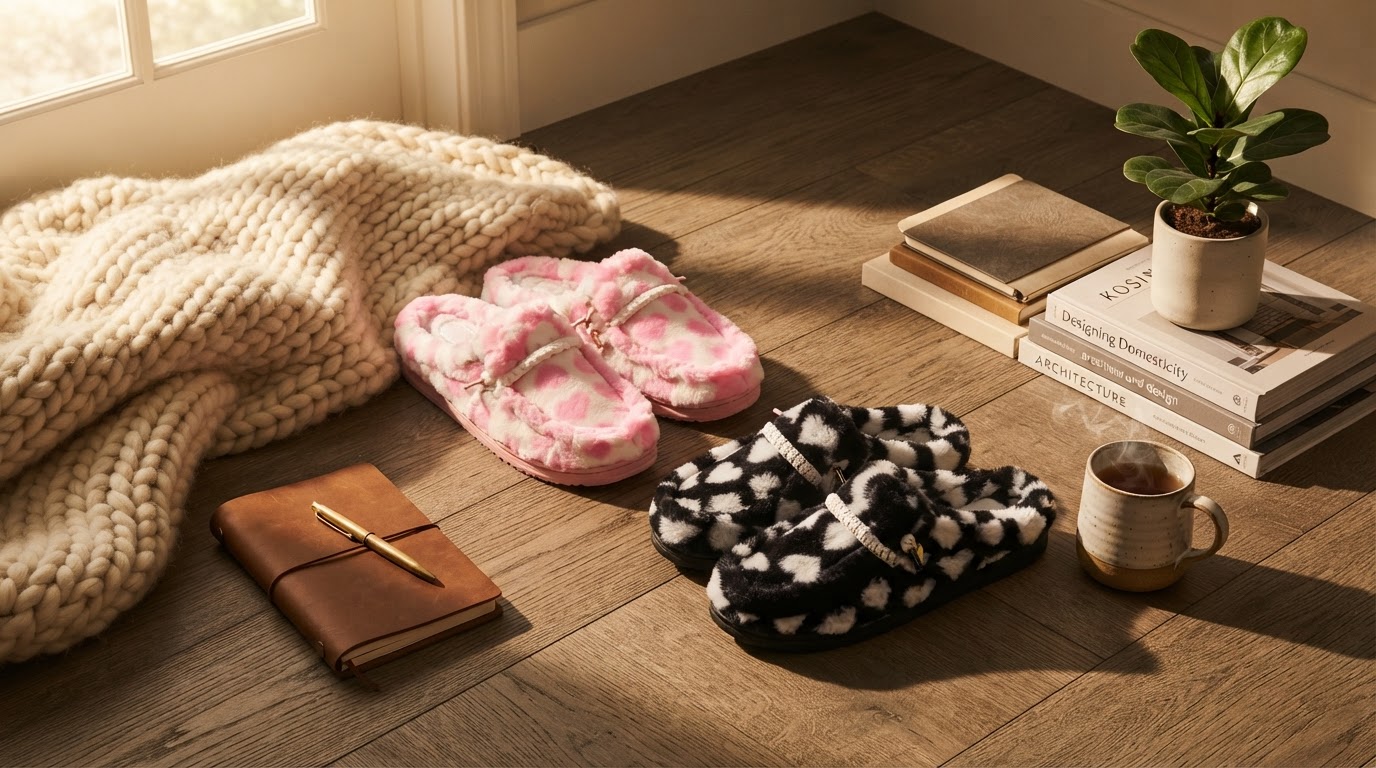
The conventional wisdom says that for a slipper to be comfortable, it must be bulky, oversized, and heavily padded. This design philosophy assumes that volume equals support, but the data suggests otherwise. Most traditional house shoes suffer from a fundamental lack of floor-feel and excessive weight, leading to a clumsy gait and increased trip hazards on modern hard surfaces. According to The Boston Boots, many consumers are now shifting toward designs that combine charm with everyday utility, specifically noting that Wendy House Slippers utilize soft plush fabric and catching details to bridge the gap between aesthetics and function at a price point around $34.95. The market consensus has long favored the disposable, pillowy slipper that loses its structural integrity within six months. I reject this model. High-volume padding often masks a lack of real support, leading to the 8,500 monthly search impressions for arch support slippers for home as users realize their current footwear is failing their feet. When we look at Wendy style slippers with arch support, the focus shifts from sheer bulk to targeted stability. The problem with standard loungewear isn't just the lack of support; it is the thermal inefficiency. Synthetic furs that do not breathe create a moisture trap, which is why washable bedroom slippers have become a high-intent search category. Users are looking for a solution to the hygiene issues inherent in poorly ventilated designs.
Structural Analysis of Wendy House Slippers
Photo by Feyza Daştan on Pexels
Wendy House Slippers address these systemic failures by adopting a low-profile, high-traction silhouette. While the industry standard relies on heavy rubber slabs, the Wendy design utilizes a lightweight outsole that mimics the natural movement of the foot. According to HEYDUDE, the Wendy Slipper features the same outsole as their standard Wendy line but incorporates a cozy sherpa upper. This is a critical distinction: the slipper is not a new invention but an evolution of a proven outdoor chassis adapted for the home. Run the math: a lighter shoe requires less muscular effort for stabilization, which reduces fatigue over a 16-hour wear cycle. This is particularly relevant for those seeking non-slip indoor shoes for wood floors, where the coefficient of friction must be balanced with weight to prevent dragging. The inclusion of memory foam Wendy slippers in the product lineup provides a dampening layer that molds to the plantar surface without the structural collapse seen in cheaper polyester fills. Here's the part nobody talks about: the transition from a standard shoe to a slipper often involves a loss of lateral stability. By utilizing a moccasin-inspired construction rather than a loose slide, these slippers maintain a secure fit. This design choice is validated by over 2,400 five-star ratings on social platforms, where users frequently describe the experience as "walking on air." Unlike clog style indoor slippers which can slip at the heel, the Wendy silhouette stays anchored, providing a more consistent sensory feedback loop to the wearer.
Evaluating Slipper Longevity and Utility
Selecting indoor footwear should be a technical decision based on floor type, foot shape, and thermal requirements. The durability of the sherpa upper and the resilience of the outsole are the primary metrics for success. A slipper that requires replacement every quarter is a failed investment, regardless of the initial comfort level. When assessing Wendy House Slippers, consumers should use the following framework to determine if the footwear meets their specific environmental needs:
- Outsole Composition: Verify the use of lightweight, non-marking materials that provide traction without adding significant mass.
- Upper Material Breathability: Ensure the sherpa or plush lining allows for adequate airflow to prevent moisture buildup.
- Heel Retention: Check that the design prevents the foot from sliding out during lateral movements or stair climbing.
- Maintenance Requirements: Prioritize designs that can handle periodic cleaning, as indoor environments accumulate dust and dander.
- Weight-to-Cushion Ratio: Look for slippers that provide impact protection without exceeding 6-8 ounces per shoe.
Shop Wendy House Slippers here
Sources
Photo by Ahmet Oral on Pexels
- Lightweight And Comfortable Dude Wendy House Slippers
- Wendy Slipper
- HEYDUDE on Instagram: "New colors, same comfort. The new ...