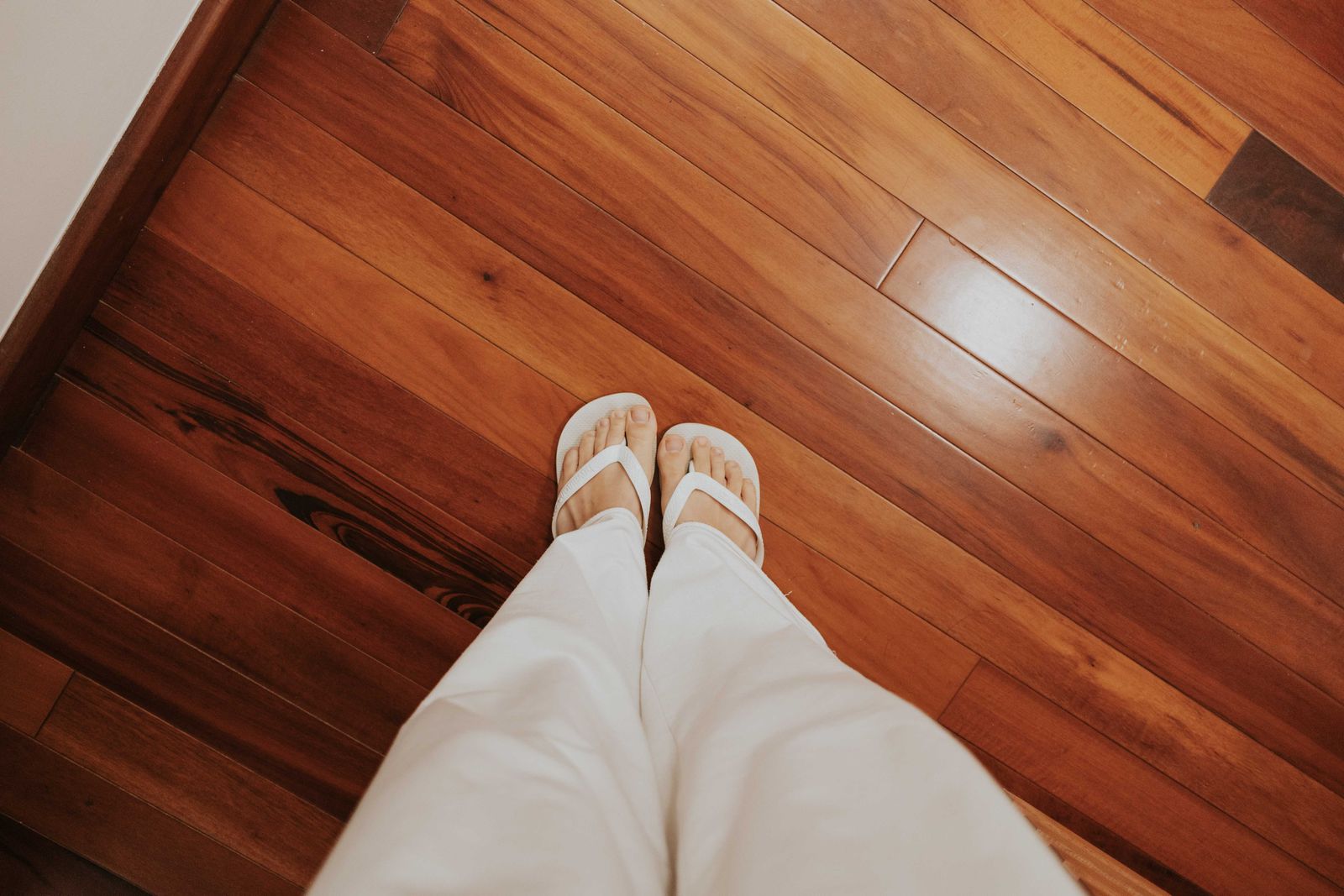
Working From Home All Winter: Getting a Full Season From Your Slippers
Working from home through a full winter puts one pair of slippers through more hours than a lounging pair sees in a year. The practical answer is to treat them as work equipment: give them a fixed place, put them on at the start of the working day rather than drifting into them, and keep a separate outdoor option so you are not wearing your indoor pair to the bins at eleven and back to your desk at eleven-oh-two.
This is a support guide for people who already own a soft indoor pair and want to get a whole winter of good use out of them in a home office. It covers the daily routine, the two or three habits that quietly wreck a pair, and how to handle the parts of the day that pull you away from the desk.
Should slippers be part of a work-from-home routine?
Yes, if you use them as a marker rather than as a default. The difference matters.
Drifting through the day in whatever you slept in tends to blur the line between working and not working. Deliberately changing into a dedicated indoor pair when you sit down, and out of them when you finish, gives the day two edges. It is a small ritual and it costs nothing, but people who work from home long term almost always end up with some version of it.
A workable version:
What does an all-winter home office day do to a pair?

Photo by Feyza Daştan on Pexels
Long, quiet, low-impact hours, punctuated by four or five short trips. The trips are what cause the wear, not the sitting.
| Part of the day | What it asks of the pair | What to do about it | |---|---|---| | Desk hours | Warmth and softness while still | Nothing, this is the easy part | | Kitchen trips | Exposure to spills and crumbs | Keep a mat by the sink and wipe marks the same day | | Stairs between floors | Repeated flexing at the front | Check the front of the upper for wear monthly | | Doorstep and bin trips | Wet ground, grit, and cold | Keep an outdoor pair by the door instead | | Video calls | Nothing, they are out of frame | No action needed | | Evening after work | Nothing, if you have taken them off | Give them a rest, they have done eight hours |
The single biggest lever is the doorstep trip. Wet soles carried back to a carpeted office is how a pair goes from fresh to tired in a fortnight of a wet winter.
How do you keep your feet warm at a desk without overheating?
A home office is usually the coldest room in the house during the day, because it is often the least used and heating the whole house for one room is expensive. That is a floor and airflow problem more than a footwear problem.
- Layer socks under a lightweight pair rather than buying a heavy lined pair you cannot wear once the heating is on. Wendy House Slippers are a soft plush fabric with lightweight construction, which leaves room for a thick sock in January and works on its own in October.
- Break contact with a cold floor. A small rug or a mat under the desk does more than any amount of footwear, because it stops your feet resting directly on a cold hard surface for hours.
- Watch the draft, not the air temperature. Cold air moves along the floor. A draft excluder at the office door often fixes cold feet that no amount of heating solved.
- Get up on a schedule. Sitting still is the reason feet feel cold at a desk and not in the kitchen.
What are the habits that wear a work pair out fastest?
Four things, all avoidable.
- Wearing them outside. Even a thirty-second trip to a bin brings grit and moisture back in, and grit is abrasive. Keep a dedicated outdoor pair by the door and the problem disappears.
- Leaving them on a heater or a radiator. Direct heat is hard on fabric and on any padding inside. If they need to dry, leave them somewhere with moving air instead.
- Wearing them with damp socks. Straight out of a shower and into slippers is comfortable and it puts moisture into the pair every single day.
- Standing on the heels to pull them off. It is the fastest way to break down the back of a slip-on. Slide out with your hands or step out cleanly.
How do you handle the school run, the bins, and the doorstep?

Photo by Mary Nikitina on Pexels
Keep a second pair of something at the door and never solve it with your work pair. The specific setups that work:
Some households prefer one pair that handles both roles, which is a legitimate choice if your outdoor trips are short and your path is dry. The trade-offs are set out in this look at pairs used both indoors and for quick trips outside.
Does a dedicated work pair mean owning more slippers?
Not necessarily. Most people already own more indoor footwear than they use. The useful move is to assign roles rather than buy more: the newest, most comfortable pair becomes the desk pair, an older pair becomes the doorstep pair, and anything that never gets worn goes.
If you are buying anyway, buy for the desk role specifically. That means light rather than heavy, soft rather than structured, and easy to step into rather than anything you have to fasten, because you will do it several times a day. The features that matter for long indoor stretches are covered in this piece on getting indoor comfort right at home.
FAQ
Should I wear slippers all day if I work from home? Through the working day, most people find it comfortable, particularly on a hard floor in winter. Take them off in the evening rather than living in them from waking to bed, which also gives the pair time between wears.
Are slippers fine for video calls? Yes. Your feet are almost never in frame, and on the rare call where you stand up, a plain pair reads as normal indoor footwear rather than as anything notable.
My home office floor is freezing. Are slippers enough? Slippers plus something under the desk. A rug or mat stops the constant contact with a cold hard surface, which is the actual source of the problem, and a lightweight pair with thick socks handles the rest.
How do I stop a work pair from getting scruffy by mid-winter? Keep them off wet ground, deal with marks the day they happen, and never dry them on a radiator. Those three habits account for most of the difference between pairs that look fine in March and pairs that do not.
A practical next step
Pick the pair that is going to be your desk pair for the winter, and put a second pair of something by the front door tonight so the desk pair never goes outside. Then move the changeover point to your chair: they go on when you sit down and come off when you finish. That is the whole system, and it takes one evening to set up.
Cover photo by Letícia Alvares on Pexels.