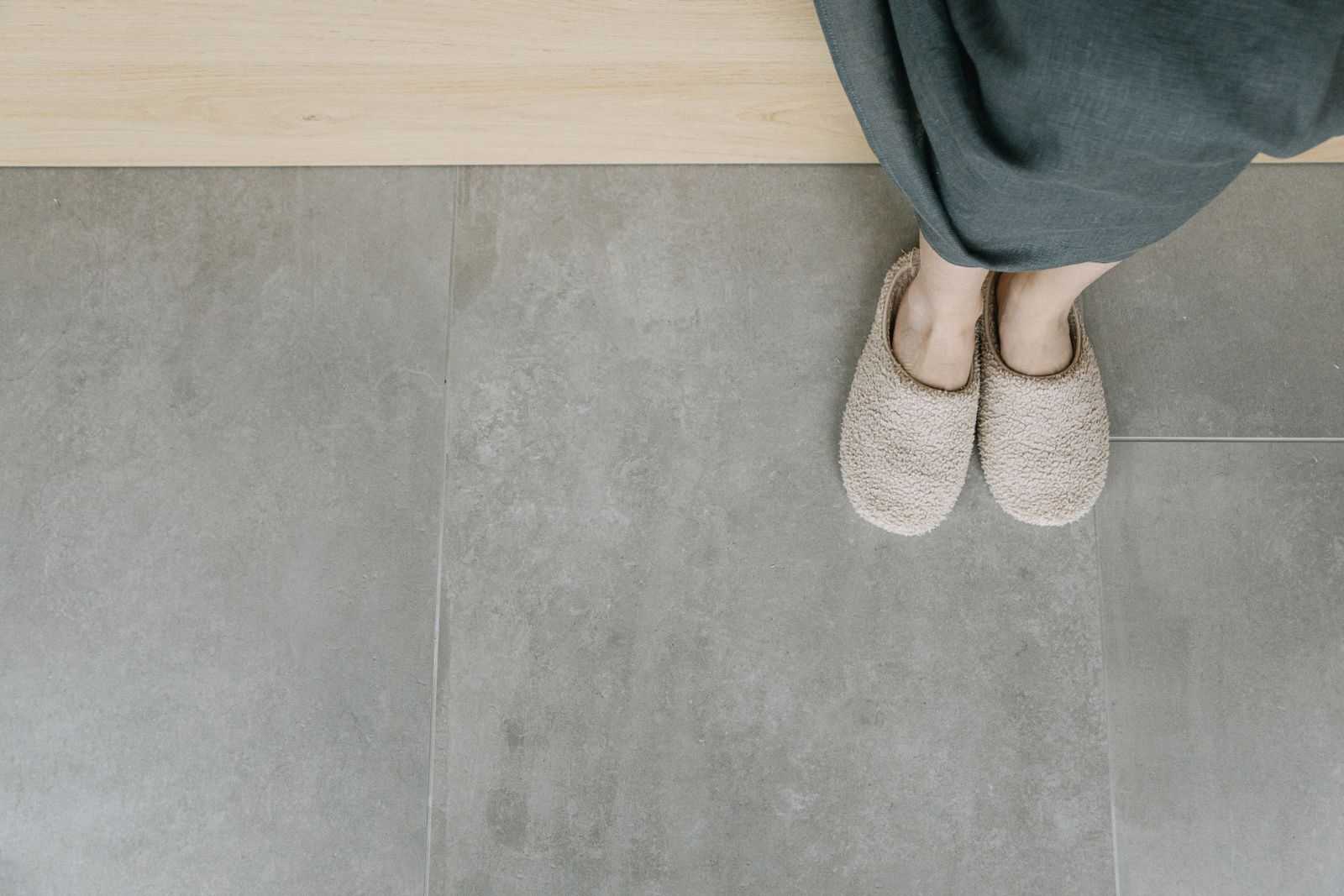
How to Keep Your Soft Plush Slippers Fluffy: Care and Cleaning FAQ
Keeping plush slippers fluffy is mostly about what happens between washes. Brush the pile for thirty seconds a week, let the slippers air out somewhere open after wearing, and wash them only every four to six weeks. Those three habits preserve softness far more effectively than any cleaning product, because most slippers lose their loft to compression and trapped moisture rather than to dirt.
Why do plush slippers lose their softness?
Plush is a pile fabric: thousands of short fibers standing upright out of a knitted base. Softness comes from those fibers standing up and moving independently. They stop doing that for three reasons — body weight presses them flat, moisture from the foot lets them bend and then sets them in the bent position as they dry, and skin oil plus dust glues neighboring fibers together into clumps.
That explains why washing alone often disappoints. A wash removes the oil and dust but leaves the fibers lying down, and heat during drying can lock them there permanently. The fluff comes back from mechanical lifting — brushing — not from soap. Understanding that turns slipper care from guesswork into a short, repeatable routine.
What is the weekly and monthly routine?
Photo by https://kaboompics.com/ on Pexels
| Task | How often | Time needed | Why it matters | |---|---|---|---| | Air out after wearing | Daily | None | Moisture is the main cause of matting and odor | | Brush the pile with a soft brush | Weekly | 30 seconds per slipper | Prevents matting from ever setting | | Vacuum the footbed lining, low suction | Every 2 weeks | 1 minute | Removes embedded lint a brush cannot reach | | Baking soda inside overnight | Monthly, or as needed | 1 minute plus overnight | Absorbs moisture and neutralizes odor | | Spot clean marks | As they happen | 5 minutes | Avoids an unnecessary full wash | | Full gentle wash | Every 4–6 weeks | 15 minutes plus drying | Removes accumulated oil and dust | | Check sole and seams | Monthly | 30 seconds | Grip loss is a safety issue, not a cosmetic one |
The weekly brushing is the highest-value item on the list and the one most people skip. Sweep a soft-bristle brush across the surface in one direction, then back the other way. Alternating directions lifts fibers off the base rather than combing them over. A soft toothbrush works on lighter pile; a clean, unused pet slicker brush handles denser fabric because the fine tips reach the base without pulling.
How should plush slippers be washed?
Lightweight slip-on styles such as Wendy House Slippers make this routine easy, since thin construction holds less water and dries considerably faster than a padded house shoe. The machine-cycle version, where a label permits it, is set out in how to clean machine washable indoor slippers.
How do you dry slippers without flattening them?
Airflow, not heat. High temperature is the one mistake in slipper care that cannot be reversed, because synthetic plush fibers fuse together when they get hot and no brushing recovers them. A small fan aimed at the openings roughly halves drying time with no risk at all, which makes it the best tool in the process.
Expect eight to twenty-four hours depending on pile thickness, humidity, and airflow. Test the inside rather than the outside: press the back of your hand into the footbed and hold it there for a few seconds. The surface can feel dry while the core is still damp, and wearing them in that state flattens the pile immediately and invites odor. Change the paper-towel stuffing once when it feels wet, which speeds things up noticeably.
What keeps slippers fresh between washes?
- Air them out somewhere open rather than in a closed closet or under a bed, so moisture can actually leave the fabric
- Rotate two pairs if slippers are worn from morning to night, giving each pair a full day to dry out
- Go in with dry feet — stepping in right after a shower is the fastest way to flatten a footbed
- Leave baking soda inside overnight and vacuum it out in the morning when odor starts developing
- Store them flat and unweighted, since anything pressing on a stored slipper sets a crease exactly where you do not want one
- Wear socks sometimes, which reduces direct oil transfer into the lining
When is it time to replace a pair?
Three signals matter, and only one of them is cosmetic. Replace slippers when the sole has lost grip, because that is a genuine fall risk on hard floors and rugs. Replace them when the pile has worn down to the base fabric under the heel, which no brushing can rebuild — scratch the area with a fingernail, and if nothing lifts and the weave shows through, that spot is finished. Replace them when the shape no longer holds the foot, since a loose slipper makes the foot grip and curl to keep it on, which causes arch fatigue.
Flattened pile on its own is not a replacement signal. A matted slipper that still grips and still holds its shape usually responds well to a gentle wash and a thorough brushing, and many pairs that look worn out are one careful session away from feeling new.
Frequently asked questions
How often should plush house slippers be washed? Every four to six weeks for daily indoor wear, with weekly brushing and spot cleaning in between. Washing more often does not keep them softer — each cycle loosens a small amount of fiber, so frequent washing shortens the life of the pile.
Does a dryer help fluff plush slippers? Only a no-heat or air-only cycle, and even then air drying with brushing gives a better result. Any warm setting risks permanently matting the fibers and can weaken the bond between the sole and the upper.
Why do the slippers smell even though they look clean? Odor comes from moisture in the footbed lining rather than surface dirt, so appearance is a poor guide. Dry them fully with a fan for a day, leave baking soda inside overnight, vacuum it out, and air them between wears from then on.
Is brushing safe on soft plush fabric? Yes, with a soft brush and light pressure. What causes damage is stiff wire bristles and hard scrubbing, both of which pull fibers out of the base. Sweeping gently in alternating directions lifts the pile without stressing it.
The practical next step is small: set a soft brush next to where your slippers live and give them thirty seconds after you take them off each week. That one habit does more for lasting softness than any wash cycle.