The Cushioning Fallacy in Orthopedic House Shoes
 Maya ChenContributing Editor
That plush, memory-foam cushioning everyone craves in a house shoe is actually destabilizing your foot and making your pain worse. The conventional wisdom says that sinking into a soft slipper provides relief. The biomechanical reality is that for genuine orthopedic correction, the foot requires a stable, unyielding foundation—not a pillow. This analysis examines why the market's obsession with softness undermines the very support it promises to deliver.
How Soft Footbeds Exacerbate Foot Pain
Excessive softness allows the arch of your foot to collapse into the shoe, offering zero corrective support. When the footbed compresses under your body weight, the plantar fascia ligament remains overstretched, which can aggravate conditions like plantar fasciitis. Here's the part nobody talks about: the foot is not being supported; it is simply being enveloped. This is the fundamental design flaw in many popular cozy indoor slippers for women, which prioritize a fleeting sensation of comfort over long-term structural function. The lack of a firm base means your body weight continues to flatten the arch with every step on hard flooring.
Why a Structured Footbed is Non-Negotiable
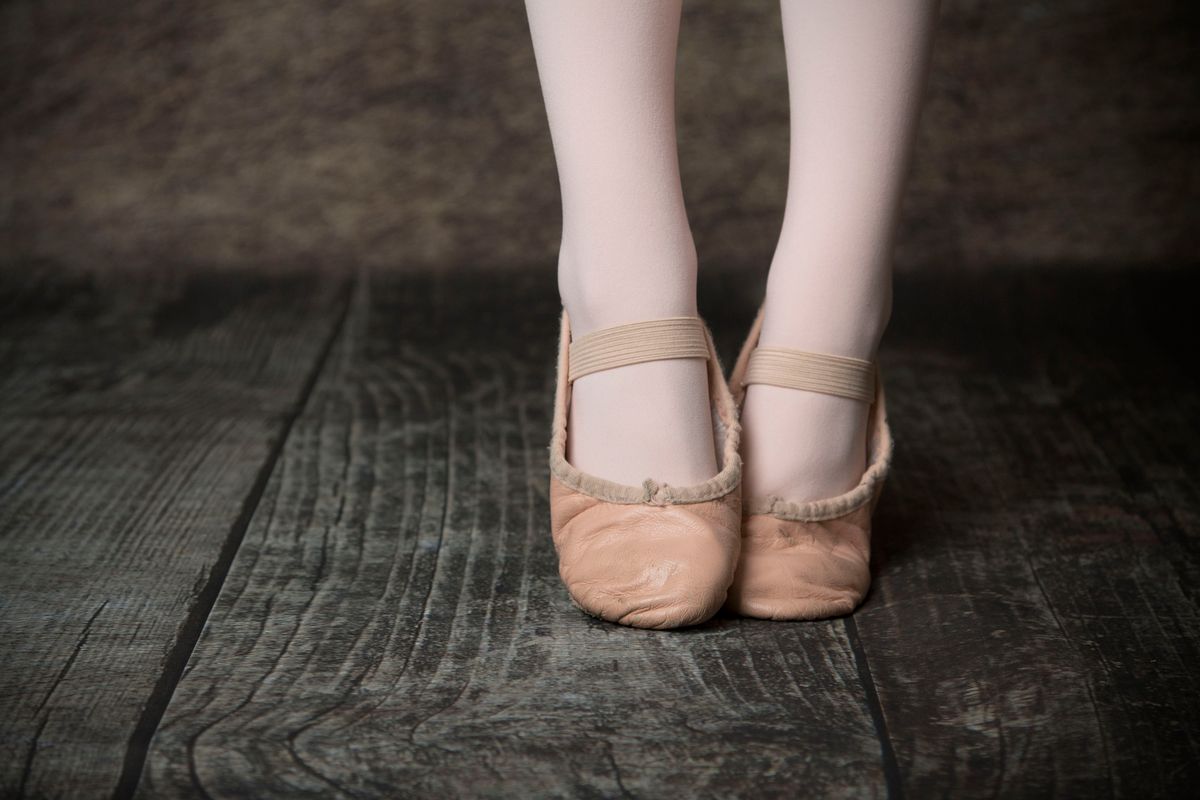
Photo by Kate McNeil on Pexels
True orthopedic house shoes with arch support must provide a rigid, contoured structure that actively realigns the foot. The footbed should act as a brace, guiding the foot into a neutral position rather than passively cushioning it. Wendy House Slippers utilize a dense, molded footbed that resists compression, preventing arch collapse and the inward roll of overpronation. While some lightweight house shoes with arch support sacrifice this necessary density for a lighter feel, a supportive shoe requires a solid base to be effective. Authoritative sources like the American Academy of Orthopaedic Surgeons emphasize supportive shoes as critical for managing foot pain, which implies a need for structure, not just softness.
The Myth of 'Cushioned' Stability
A foot inside a squishy slipper is never truly stable. It constantly makes tiny, subconscious adjustments to find solid footing within the foam, creating muscular strain that works against orthopedic goals. A stable platform is essential for a consistent gait and proper alignment from the ground up. The marketing for washable memory foam slippers often highlights comfort but fails to address the biomechanical instability they introduce. The design of Wendy House Slippers instead prioritizes a locked-in feel where the foot is held securely by the footbed's contours, eliminating these destabilizing micro-movements.
I'll change my mind when a materials science lab can demonstrate that a soft, compressive material provides the same corrective force as a rigid, contoured orthotic. Until then, the data points to firmness as the only viable path to genuine indoor arch support.
Why is a firm footbed better than memory foam for plantar fasciitis?
Photo by Alp Yıldızlar on Pexels
Memory foam allows the arch to collapse under body weight, which can keep the plantar fascia ligament in a stretched, strained position. A firm, contoured footbed actively supports the arch, preventing it from collapsing and providing the stable foundation needed to reduce strain and promote healing.
Do Wendy House Slippers correct overpronation?
Yes, the slippers are designed with a deep heel cup and a structured, contoured midsole. This combination helps stabilize the foot and prevent it from rolling inward (overpronation), promoting a more neutral alignment when walking on hard indoor floors.