How to Care for Your Plush House Slipper Soles Across Different Home Surfaces
Plush house slipper soles last longer when you care for them by surface: wipe grit off after tile and kitchen work, lift carpet fluff before it mats the tread, and keep hardwood free of damp or dusty buildup. Different home surfaces load the sole in different ways — grit, fibers, polish, and the odd spill — so a one-size cleaning habit misses what each floor actually does. Treat the sole as indoor gear, not an outdoor shoe bottom, and a lightweight plush pair stays quieter and more cushioned across the whole house.
What home surfaces do to a slipper sole
Indoor soles are usually a light foam or similar indoor material. They are meant for house floors, not pavement. That makes them comfortable, and it also makes them honest about what they pick up.
- Tile and vinyl shed fine grit, cooking film, and the occasional splash. Grit acts like sandpaper if it stays in the tread.
- Hardwood and laminate collect dust that polishes into a slick film. A dusty sole on a smooth floor is how a cozy pair starts to slide.
- Carpet and rugs donate fibers. Plush pile plus a textured sole is a lint trap.
- Thresholds and garden-room edges add damp and outdoor grit if the pair ever strays past the mat.
Sole care by surface
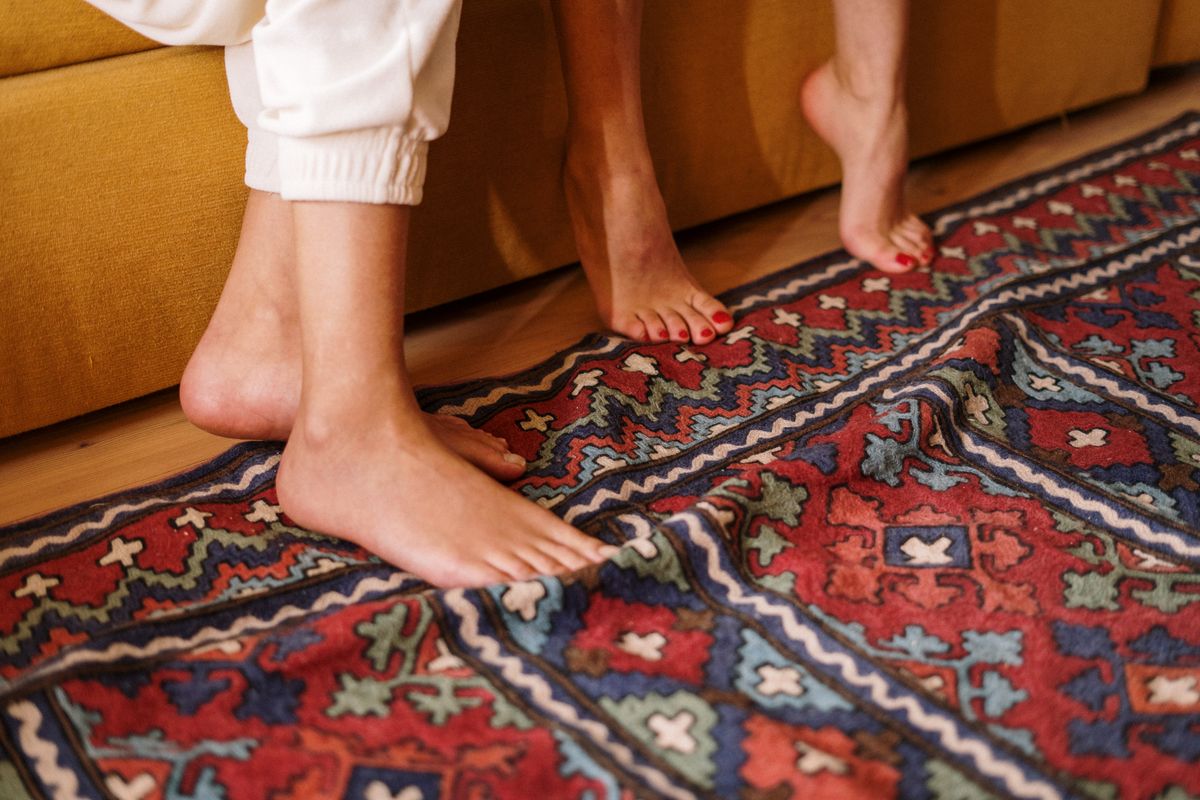
Photo by cottonbro studio on Pexels
| Home surface | What the sole picks up | Care step that actually helps | What to skip | | --- | --- | --- | --- | | Kitchen tile | Crumbs, oil mist, damp | Wipe the bottom with a barely damp cloth, then air dry | Soaking the pair in a sink | | Bathroom tile | Splash, soap film | Blot, then dry away from a radiator | Wearing them into a standing shower | | Hardwood | Fine dust, polish film | Dry wipe or a soft brush after the evening loop | Abrasive pads that scuff the sole | | Carpet / rugs | Fibers, pet hair | Pick lint, then a gentle tape or fabric brush | Yanking fibers out of the tread | | Mixed open-plan floors | A bit of everything | One end-of-day sole check at the door mat | Outdoor “just to the bin” trips |
The table is the whole method. Match the room you used most to the row, do that one care step, and stop. Over-washing a plush house pair to “reset” the soles usually costs more fluff and shape than it returns.
A weekly sole-care checklist
- [ ] Knock soles together over a bin or mat after dusty chores, not over a pale rug.
- [ ] Run a dry cloth across the bottom after kitchen tile days.
- [ ] Lift carpet fluff with fingers or a soft brush before it felts into the tread.
- [ ] Check for a slick film on hardwood evenings; a dry wipe is enough.
- [ ] If a sole got wet, stuff the slipper loosely with paper, reshape, and air dry — no heat blast.
- [ ] Keep a second pair for laundry-day gaps so you are not walking a damp sole across home surfaces.
- [ ] Store the pair sole-down on a clean mat, not buried in a shoe pile.
Tile: grit is the real wear
Tile looks clean and still holds grit in grout lines. Each step can press that grit into a soft indoor sole. The care move is small: after cooking or mopping day, wipe the bottoms. If you hear a sandy sound on the next pass, the sole is still holding particles — wipe again.
Spills on tile transfer fast. Blot the sole, then the floor. Letting sugary or oily liquid dry on the bottom turns the next hardwood room into a sticky track.
Hardwood: dust plus moisture
Hardwood and laminate punish two things: a wet sole and a dusty sole. Wet leaves marks and can make a light pair slide. Dust packs into the tread and then burnishes into a film.
Care here is dry first. A cloth or a soft brush after the evening loop is enough on most days. If you mopped, wait until the floor is fully dry before the slippers go back on. A plush house pair is indoor footwear; it is not a mop.
Carpet: fibers, not failure
When carpet fibers cling to slipper soles, it looks like the pair is falling apart. Usually it is the rug donating pile. Pull the obvious clumps, then use a fabric brush or lint tape on the tread. Do this before a wash, because fibers that go through water can felt.
If you have pets, the same habit catches hair before it binds with kitchen moisture. Hair plus damp is what makes a sole look permanently gray.
Mixed floors in one circuit
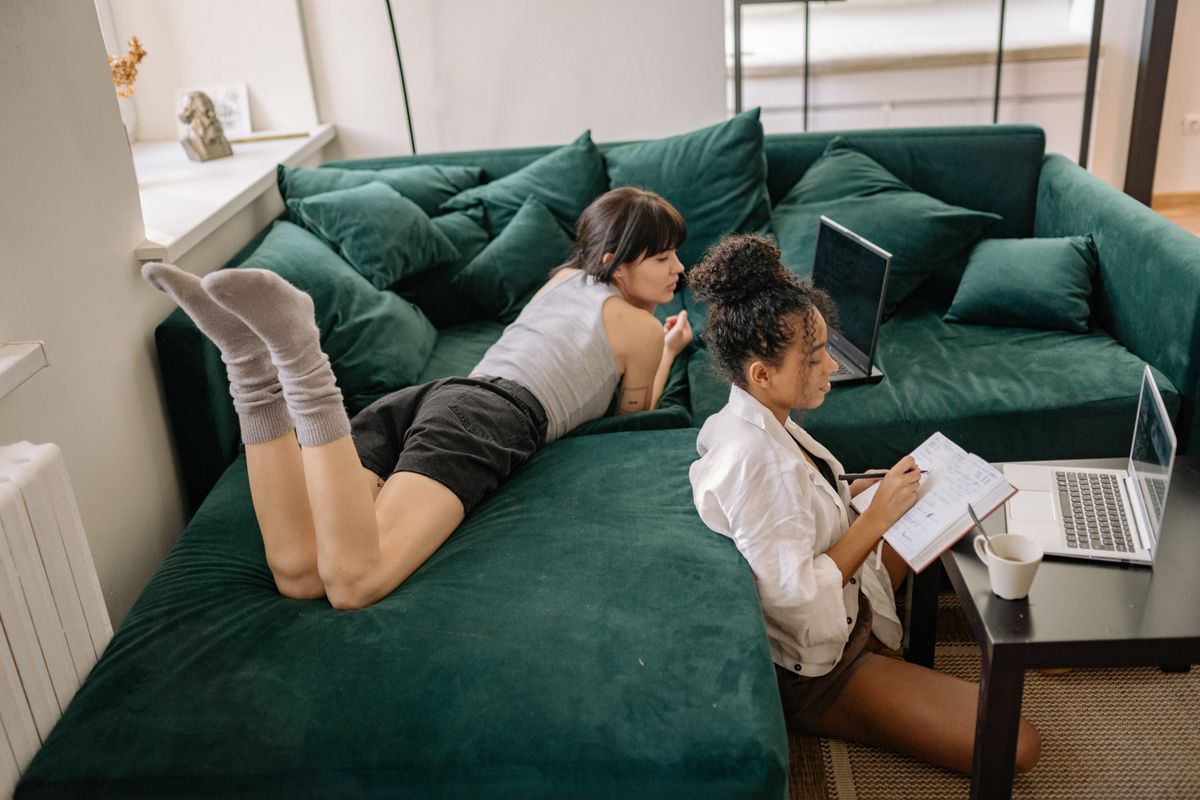
Photo by Yan Krukau on Pexels
Open-plan homes drag the last room into the next one. Kitchen grit rides onto hardwood. Carpet fluff rides onto tile. Across different home surfaces, the winning care habit is a single checkpoint: the mat where you pause at the edge of the kitchen or at the bedroom door. Ten seconds of a dry wipe there does more than a monthly deep clean.
If one person always cuts through a garden room or conservatory, treat that threshold as outdoor-adjacent. Keep the plush pair on the indoor side of the mat so damp and grit never become the default sole coating.
Flattening, slick spots, and when to stop
Soles compress with hours of wear. That is normal for lightweight indoor foam. Care cannot reverse every flattening, but it can stop extra wear from grit. A pair that feels thinned on the heel after a long season may need rest, a removable insole if the design has one, or eventual replacement — not a harsher scrub.
A slick patch that wiping does not improve often means the tread is worn smooth. At that point, indoor safety on tile matters more than thrift. Retire the pair from stairs and wet rooms even if the plush upper still looks fine.
Frequently asked questions
How often should I clean plush house slipper soles?
Match the surface, not the calendar. Kitchen tile days deserve a quick wipe. Carpet-heavy days need a lint pick. A full-house mixed circuit benefits from an end-of-day check. Deep cleaning the whole slipper can wait for actual dirt, not for a routine.
Can I put slipper soles in a washing machine?
Follow the care label on the pair you own. Many plush house slippers do better with spot cleaning so the upper stays fluffy and the sole does not twist. If a label allows a cold wash, air dry only — heat can warp a light indoor sole and flatten cushioning.
Why do my soles feel slick only on hardwood?
Dust and floor polish build a film on a smooth surface. Tile grit feels rough; hardwood film feels slippery. A dry wipe after the evening loop usually restores predictable contact. If the tread itself is worn smooth, wiping will not bring the texture back.
Do different home surfaces need different slippers?
Most people do well with one indoor pair and surface-specific sole care. A whole-house lightweight plush slipper is built for mixed floors. A second pair is useful as a dry backup, a doorstep swap, or a guest option — not because tile and carpet require two chemistries.
What is the fastest way to care for soles after a spill?
Blot, do not rub. Wipe the bottom with a damp cloth and a drop of mild soap if the spill was sticky, then air the pair sole-up until fully dry. Keep walking a wet sole across home surfaces and you will paint the spill from room to room.
Related reading
- How to choose one pair of slippers for mixed floors across the house
- How to fix flattened slipper soles: restoring cozy cushioning
- Slipper lifespan FAQ: how long plush house slippers last
- How to clean pet hair, paw prints, and spills on plush slippers
What to do next
Tonight, turn one slipper over and look at the sole. Match what you see — grit, fluff, dust film, or damp — to the surface you walked most. Do that one care step, then park the pair on a clean indoor mat. Repeat the check for a week and the soles will tell you which home surface is doing the real work.
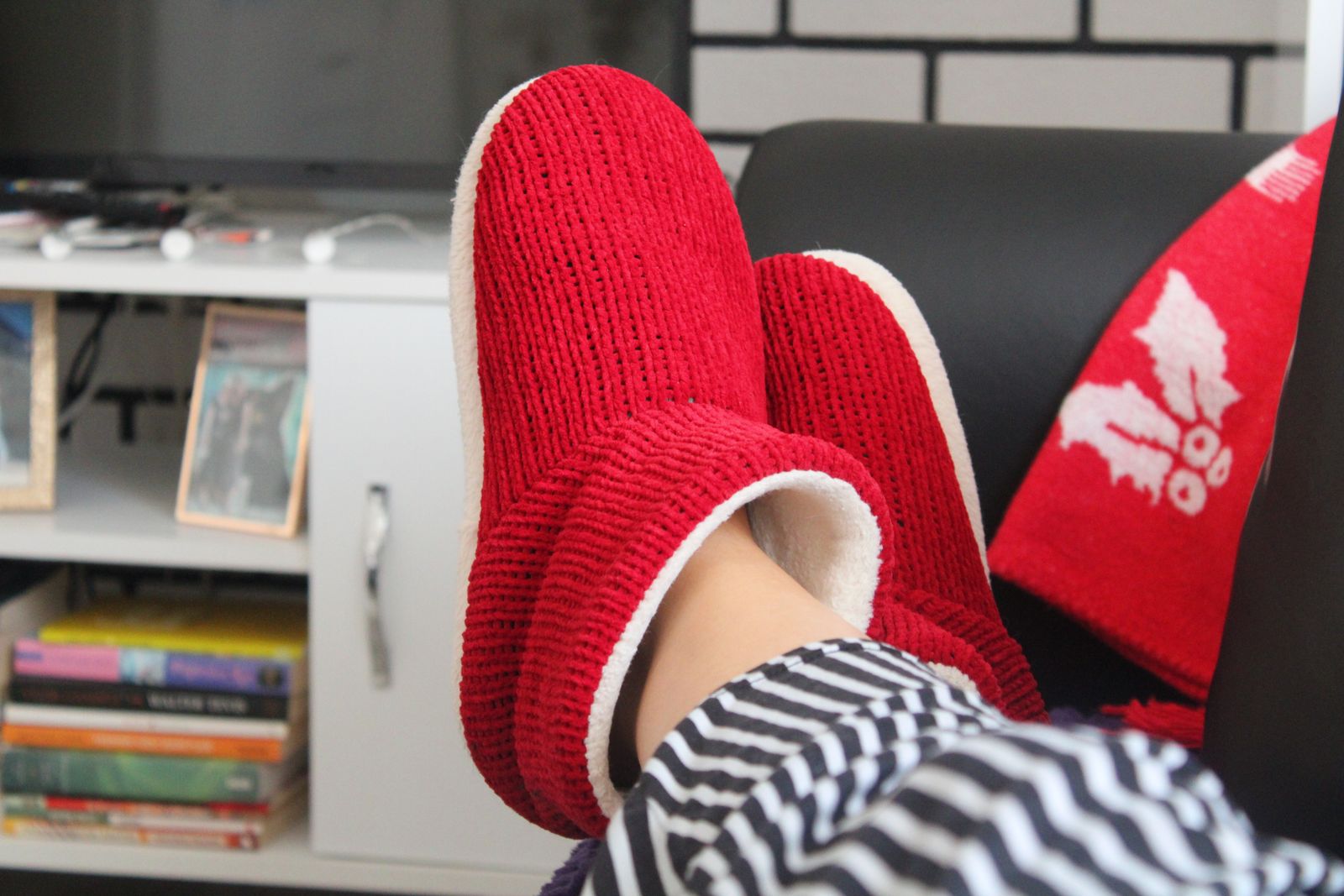
Cover photo by Merve Sayın on Pexels.